Storm-damaged roofs often spark bigger questions about improving your home’s energy and cost efficiency. For many American homeowners, exploring solar energy is more than just an upgrade—it’s a chance to harness a clean, renewable resource while tackling high utility bills. Understanding how solar energy systems convert sunlight into reliable power and addressing common misconceptions empowers you to make informed choices for long-term savings and home sustainability.
Table of Contents
- Solar Energy Defined And Common Misconceptions
- Types Of Solar Systems And Key Differences
- How Solar Panels Work For Homes And Businesses
- Main Applications: Residential And Commercial Use
- Advantages, Limitations, And What To Consider
- Costs, Savings, And Incentives For U.S. Homeowners
Key Takeaways
| Point | Details |
|---|---|
| Solar Energy Efficiency | Modern solar technologies can generate electricity even in moderate sunlight conditions, with efficiency rates continually improving. |
| Types of Solar Systems | Homeowners can choose from grid-tied, off-grid, or hybrid systems to best fit their energy needs and reliability preferences. |
| Financial Incentives | U.S. homeowners can benefit from significant financial incentives, including a 30% federal tax credit, state rebates, and potential property value increases. |
| Long-Term Savings | Smart solar investments can save homeowners thousands of dollars over the system’s lifetime while contributing to environmental sustainability. |
Solar Energy Defined and Common Misconceptions
Solar energy represents a remarkable renewable technology transforming how we power homes and businesses. Nuclear fusion processes in the sun generate an incredible amount of electromagnetic radiation that can be harnessed for electricity and heat production.
At its core, solar energy involves capturing sunlight and converting it into usable power through two primary technologies:
- Photovoltaic (PV) Systems: Directly convert sunlight into electrical current
- Concentrating Solar-Thermal Power (CSP): Uses mirrors to concentrate solar radiation for power generation
Solar technologies capture radiation emitted by the sun, transforming it into a clean, sustainable energy source that supports economic opportunities and enhances grid reliability. These systems work by capturing electromagnetic waves across different frequencies and wavelengths, primarily converting infrared radiation and visible light into electricity.
Many homeowners hold misconceptions about solar energy that prevent them from exploring this powerful technology. Here are some common myths:
- Solar panels only work in extremely sunny locations
- Solar energy is prohibitively expensive for average homeowners
- Solar systems require constant maintenance
- Solar technology is not efficient enough to replace traditional energy sources
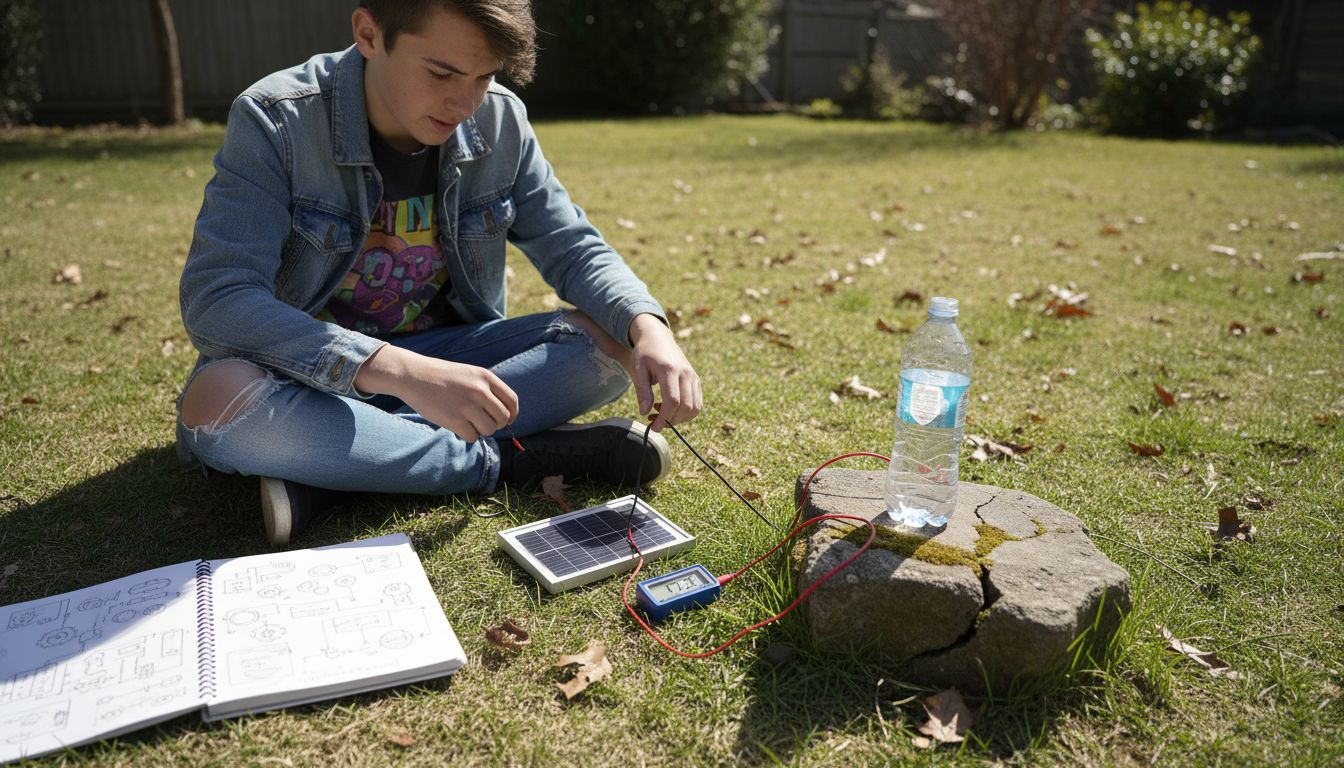
In reality, modern solar technologies can generate electricity even in moderate sunlight conditions, with efficiency rates continuously improving. The initial investment can be offset by long-term energy savings and potential tax incentives.
Pro tip: Consider scheduling a free solar assessment to understand how solar could specifically benefit your home’s unique energy profile.
Types of Solar Systems and Key Differences
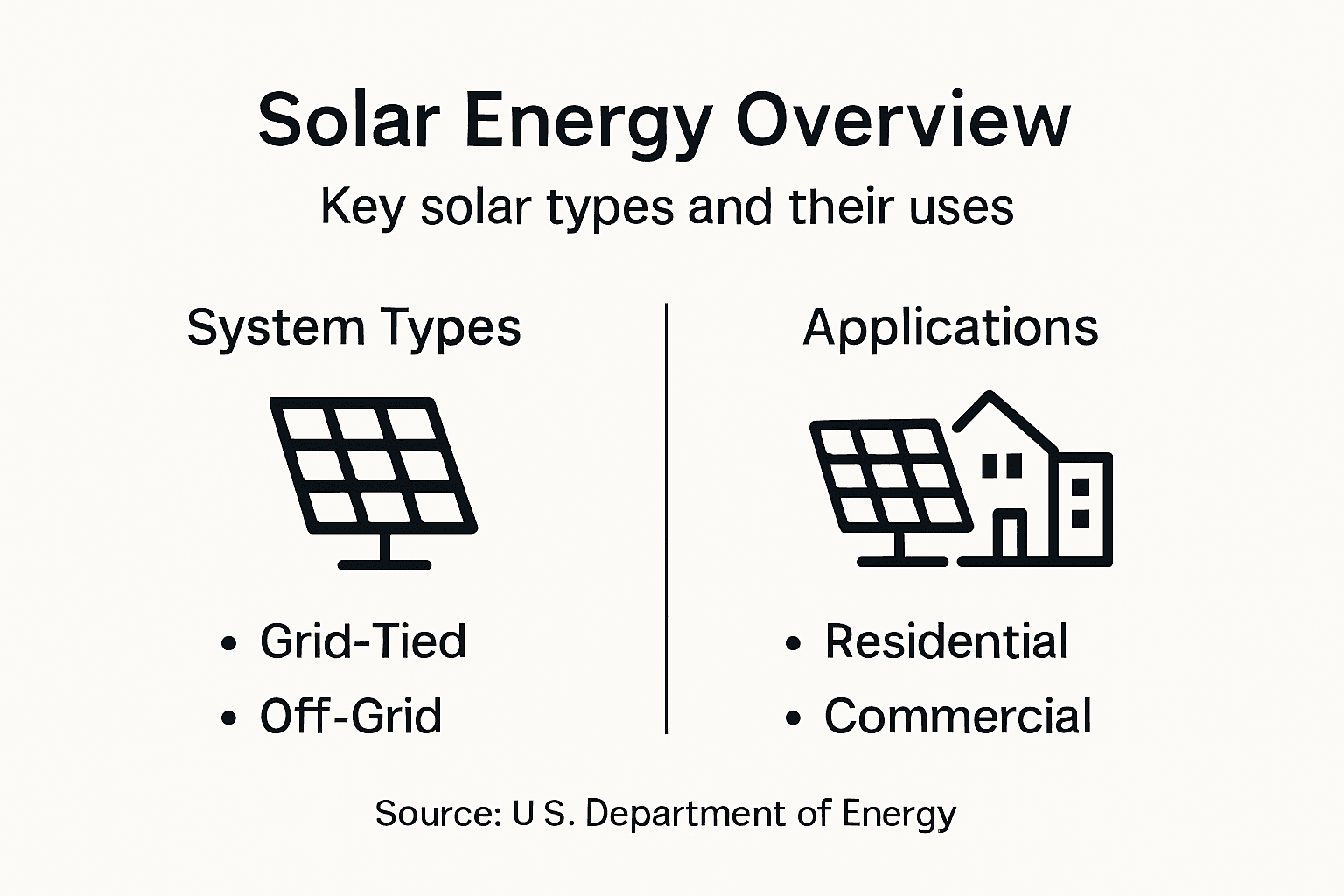
Solar power systems come in multiple configurations designed to meet different energy needs and infrastructure requirements. Three primary solar system types exist, each offering unique advantages for residential and commercial applications.
The main solar system categories include:
- Grid-Tied Systems: Connect directly to utility electrical grid
- Off-Grid Systems: Completely independent power generation
- Hybrid Systems: Combine grid connection with independent energy storage
Grid-connected solar installations allow homeowners to share excess electricity with local utilities, potentially earning credit through net metering programs. These systems automatically synchronize with existing electrical infrastructure, enabling seamless power generation and consumption.
Off-grid solar systems represent a complete power independence solution. These standalone setups typically include:
- Solar panel arrays
- Battery storage systems
- Charge controllers
- Inverter equipment
- Backup generator options
Hybrid solar systems offer the most flexible approach, balancing grid connectivity with independent energy storage. This configuration provides:
Here’s an overview comparing key types of solar systems and their unique strengths:
| System Type | Grid Connection | Reliability During Outage | Typical Suitability |
|---|---|---|---|
| Grid-Tied | Direct link to utility | No backup power during outage | Urban and suburban homes |
| Off-Grid | No grid involvement | Complete independence | Remote or rural properties |
| Hybrid | Grid plus battery | Maintains power in outages | Homes with reliability needs |
- Continuous power during grid outages
- Ability to store excess solar production
- Reduced reliance on utility electricity
- Enhanced energy resilience
Hybrid solar systems represent the most technologically advanced approach to residential energy management, offering unprecedented control and efficiency.
Pro tip: Consult a professional solar installer to assess which system configuration best matches your specific energy consumption patterns and location requirements.
How Solar Panels Work for Homes and Businesses
Solar panel technology transforms sunlight into usable electricity through an ingenious process of energy conversion. Photovoltaic cells generate electrical current by leveraging semiconductor materials like silicon, which have unique electron-exciting properties.
The solar energy conversion process involves several critical steps:
- Sunlight strikes photovoltaic panels
- Solar cells absorb electromagnetic radiation
- Electrons are energetically excited and begin moving
- Direct current (DC) electricity is generated
- Inverters transform DC into usable alternating current (AC)
Solar photovoltaic systems combine multiple components to create a comprehensive energy generation solution. These systems typically include:
- Solar panel arrays
- Mounting hardware
- Electrical wiring
- Inverter equipment
- Optional battery storage systems
The efficiency of solar panels depends on multiple factors, including:
- Semiconductor material quality
- Panel design
- Sunlight intensity
- Installation angle
- Environmental conditions
Modern solar panels can convert approximately 20% of captured sunlight into electrical energy, with ongoing technological improvements continuously increasing this percentage.
Pro tip: Schedule a professional solar assessment to understand how your specific roof orientation and local climate can maximize solar panel performance.
Main Applications: Residential and Commercial Use
Solar energy technologies have rapidly expanded to serve diverse applications across residential and commercial sectors. Solar installations support multiple energy needs ranging from individual home power systems to large-scale utility projects.
Residential solar applications typically include:
- Rooftop panel installations
- Home electricity generation
- Water heating systems
- Outdoor lighting solutions
- Electric vehicle charging stations
Photovoltaic systems demonstrate remarkable scalability, with residential setups usually ranging between 3 to 10 kilowatts. Commercial applications, by contrast, can extend into hundreds of kilowatts, powering entire business campuses, manufacturing facilities, and corporate complexes.
Commercial solar energy deployment offers significant advantages:
- Reduced operational electricity costs
- Enhanced corporate sustainability credentials
- Tax incentive opportunities
- Energy independence
- Lower carbon footprint
Solar technologies represent a transformative solution for organizations seeking to balance economic efficiency with environmental responsibility.
Pro tip: Request a professional energy audit to precisely determine your residential or commercial solar potential and estimated cost savings.
Advantages, Limitations, and What to Consider
Solar energy systems present a complex landscape of potential benefits and challenges for homeowners and businesses. Solar technology offers multiple advantages that extend far beyond simple electricity generation.
Key advantages of solar energy include:
- Renewable and clean power generation
- Significant long-term cost savings
- Reduced carbon emissions
- Enhanced energy independence
- Potential for local job creation
- Low operational maintenance costs
Photovoltaic systems have important considerations that potential adopters must carefully evaluate before installation. Critical limitations include:
- Weather-dependent energy production
- Higher initial installation costs
- Potential need for energy storage solutions
- Roof space and orientation requirements
- Efficiency variations based on location
Factors to assess before solar installation encompass:
- Total available sunlight hours
- Roof structural integrity
- Local climate conditions
- Current electricity consumption patterns
- Available financial incentives
- Long-term energy price projections
Solar technology represents an evolving solution that balances environmental responsibility with economic pragmatism.
Pro tip: Obtain multiple professional assessments to develop a comprehensive understanding of your specific solar potential and expected return on investment.
Costs, Savings, and Incentives for U.S. Homeowners
Solar energy investments represent a strategic financial opportunity for American homeowners seeking to reduce electricity expenses and increase property value. Federal tax credits significantly offset installation costs, making solar more accessible than ever before.
Key financial incentives for U.S. homeowners include:
- 30% federal tax credit through 2025
- State-level solar rebate programs
- Net metering credits
- Potential property tax exemptions
- Reduced electricity bills
- Increased home resale value
Solar energy system financing options have expanded dramatically, offering homeowners multiple pathways to solar adoption:
- Solar loans with low interest rates
- Lease-to-own arrangements
- Power purchase agreements
- Home equity financing
- Energy-efficient mortgage programs
Factors influencing total solar investment returns include:
Reviewing major factors for solar investment reveals what drives long-term gains for homeowners:
| Factor Impact | Example Influence | Importance for Savings |
|---|---|---|
| Local Electricity Rate | Higher rates = more savings | Critical for ROI |
| Sunlight Availability | More sun boosts production | Very impactful |
| Incentive Programs | Tax credits lower costs | Significant for adoption |
| System Size & Design | Larger, efficient arrays save more | Key for performance |
- Local electricity rates
- Available sunlight hours
- System size and efficiency
- Roof configuration
- Current energy consumption patterns
- Local and state incentive programs
Smart solar investments can potentially save homeowners thousands of dollars over the system’s lifetime while reducing carbon footprint.
Pro tip: Consult a tax professional to maximize your federal solar tax credit and explore additional state-level incentive opportunities.
Unlock the True Potential of Solar Energy for Your Home or Business
Understanding what solar energy is and why it matters highlights common challenges such as finding efficient, cost-effective solutions and overcoming myths about solar power reliability. Many homeowners and business owners seek to harness solar energy to reduce expenses, increase sustainability, and gain energy independence. At Sunflowers Energy, we understand these goals and offer tailored residential and commercial solar systems designed to maximize your energy savings while enhancing property value and environmental impact.
Explore our comprehensive offerings including advanced solar panel installations along with expert roofing services that protect and improve the durability of your home or business. Learn more about our reliable solutions at 1win Brazil – Sunflowers Energy LLC A Roofing and Solar Companys.
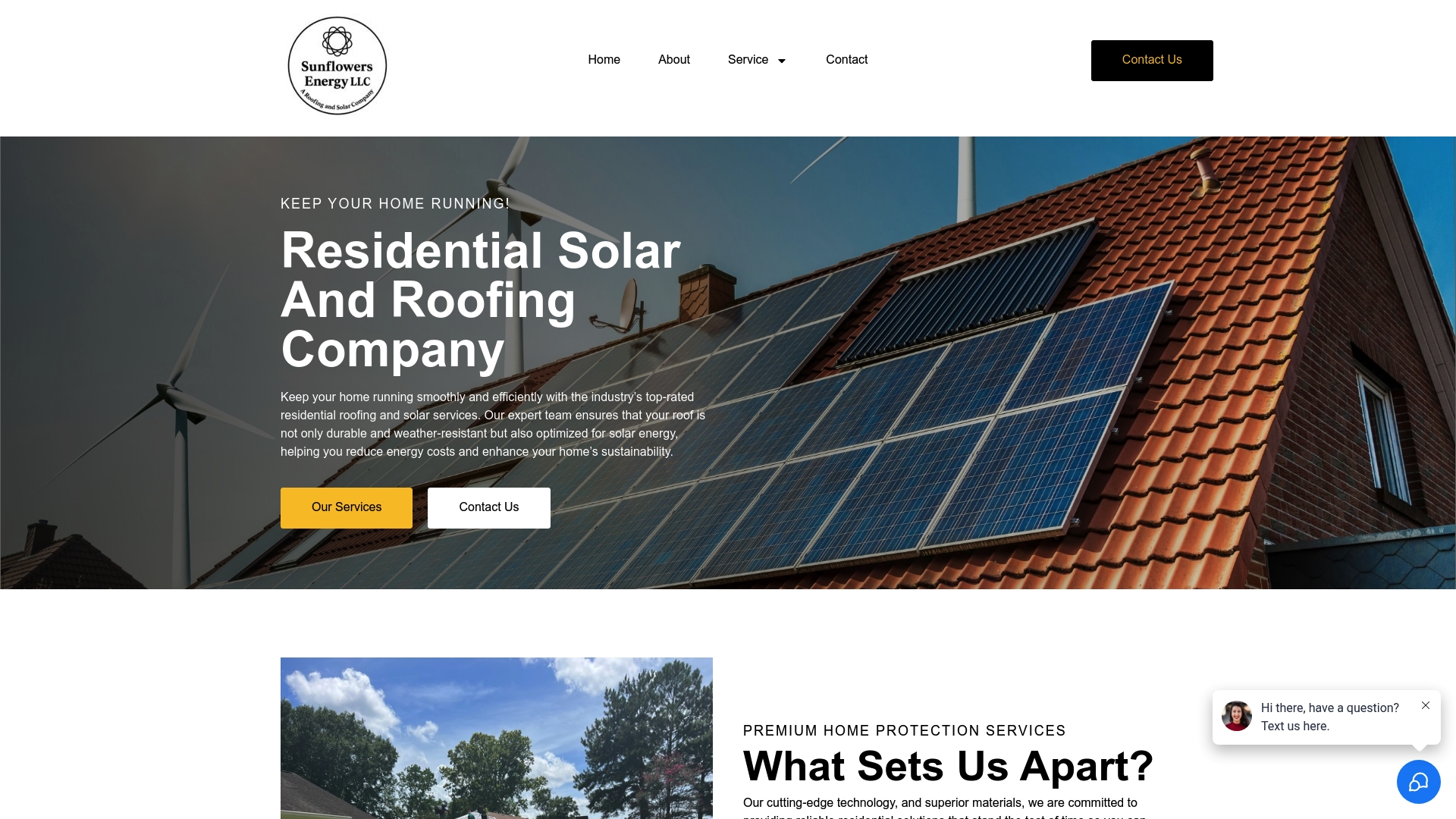
Take the next step toward a cleaner, more efficient energy future by scheduling a free onsite inspection and personalized quote with our trusted experts today. Visit Sunflowers Energy to discover how our premier solar and roofing services can help you save money while protecting your property and the planet.
Frequently Asked Questions
What is solar energy?
Solar energy is the power derived from the sun’s radiation, which can be captured and converted into usable electricity and heat through technologies like photovoltaic (PV) systems and concentrating solar-thermal power (CSP).
How do solar panels work?
Solar panels work by converting sunlight into electricity. When sunlight strikes photovoltaic cells in the panels, it excites electrons, generating direct current (DC) electricity, which is then converted into alternating current (AC) for household use by inverters.
What are the types of solar systems available?
The three main types of solar systems are grid-tied systems, which connect to the electrical grid; off-grid systems, which are completely independent; and hybrid systems, which combine both grid connection and energy storage solutions to balance power supply.
What are the advantages of solar energy?
Solar energy offers several advantages, including renewable and clean power generation, significant long-term cost savings, reduced carbon emissions, energy independence, and potential local job creation.