Solar Panel Maintenance: Maximizing Efficiency and Savings
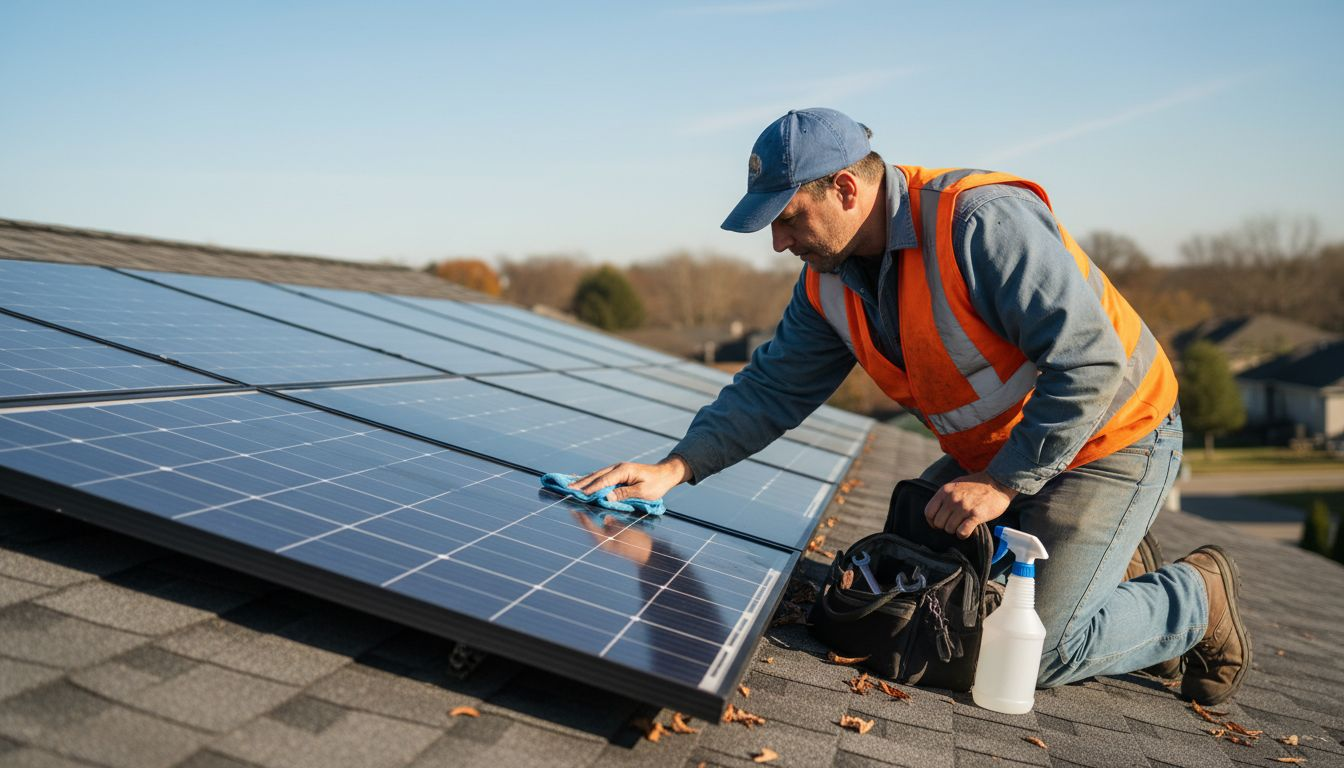
Finding reliable answers about solar panel maintenance can be confusing when every homeowner hears something different. Your American solar investment is designed for decades of performance, but myths about constant upkeep or expensive servicing leave many unsure where to start. This guide clears up what solar panel maintenance truly means, highlighting practical steps like cleaning, monitoring, and routine inspection that make efficiency and longevity easy to achieve.
Table of Contents
- Solar Panel Maintenance Defined and Debunked
- Common Types of Panels and Their Needs
- Routine Cleaning, Inspections, and Monitoring
- Seasonal and Weather-Related Maintenance Steps
- Cost Considerations and Warranty Requirements
Key Takeaways
| Point | Details |
|---|---|
| Maintenance is Simple | Regular cleaning, performance monitoring, and routine inspections ensure solar panels operate efficiently without constant professional servicing. |
| Myth of Constant Attention | Many homeowners mistakenly believe that solar panels require frequent professional maintenance, when basic upkeep can be managed personally. |
| Cost-Effective Prevention | Investing in regular maintenance helps avoid costly repairs and maximizes energy production over the lifespan of the solar system. |
| Panel Type Matters | Different panel types have specific maintenance needs and understanding them can help prioritize efforts and budgeting for repairs. |
Solar Panel Maintenance Defined and Debunked
You’ve invested in solar panels—now it’s time to protect that investment. Solar panel maintenance isn’t as complicated as many homeowners think, and it’s definitely not something you need to obsess over daily. Let’s clear up what maintenance actually means and what myths are holding you back.
What Solar Panel Maintenance Really Is
At its core, solar maintenance involves keeping your panels clean, monitoring their performance, and addressing issues before they become problems. Solar photovoltaic system maintenance focuses on continuous operation and preventing common faults that reduce efficiency over time. Think of it like car maintenance—you don’t rebuild your engine monthly, but you do check the oil and keep things running smoothly.
Maintenance has three main components:
- Regular cleaning to remove dirt, dust, and debris
- Performance monitoring to catch drops in energy production
- Routine inspections to identify wear or damage early
That’s it. No special equipment required for basic maintenance.
Common Misconceptions About Solar Maintenance
Here’s where myth and reality diverge. Many homeowners believe solar panels need constant attention, professional servicing every month, or expensive repairs. Wrong on all counts.
Emerging predictive technologies now help identify problems before they cause severe performance drops, but most of your work is still preventive and straightforward. Research shows that minimal maintenance—mostly cleaning and inspection—keeps efficiency high for decades.
The biggest misconception? That you need to hire professionals constantly. You don’t. Regular cleaning and visual inspections are tasks most homeowners can handle themselves.
Why Maintenance Actually Matters
Skipping maintenance costs you money. Dirty panels produce less electricity. Undetected faults grow worse. Performance degradation compounds over time.
Proper maintenance ensures:
- Panels operate at maximum efficiency
- Problems get caught early when they’re cheapest to fix
- Your system lasts longer and generates more revenue
- Warranties stay valid
The Reality Check
Your solar system is built tough. Modern panels withstand rain, wind, and temperature swings without special babying. They’re not delicate flowers. What they do need is attention—not obsession. A few hours quarterly beats emergency repairs annually.
Ready to keep your system running at peak performance? Professional solar panel inspections can provide comprehensive diagnostics if you want expert eyes on your system.
Pro tip: Schedule your cleaning and inspection during fall and spring when weather is mild—you’ll get better visibility and safer working conditions if climbing onto your roof.
Common Types of Panels and Their Needs
Not all solar panels are created equal. The type sitting on your roof determines how you maintain it and what problems to watch for. Understanding your specific panel type is the first step toward keeping your system running smoothly.
Understanding Panel Types
Your solar system likely contains one of three main panel types, each with different maintenance demands. Monocrystalline, polycrystalline, and thin-film panels have distinct operational characteristics that affect how you care for them.
Monocrystalline panels are the most common residential choice. Made from single silicon crystals, they deliver high efficiency even in shade. They’re also the most durable option available.
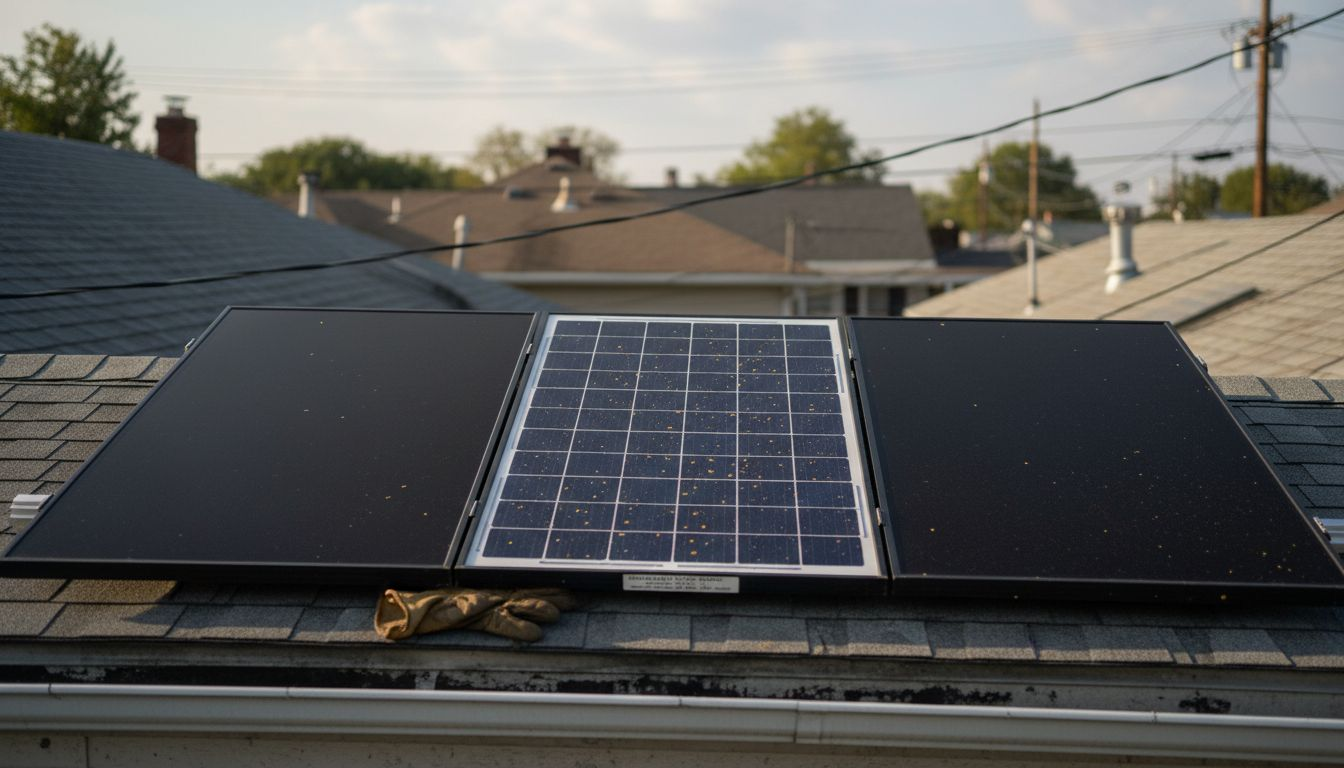
Polycrystalline panels cost less upfront but generate slightly less power. They’re made from multiple silicon fragments melted together. Performance drops more noticeably in extreme heat.
Thin-film panels offer flexibility and perform well in low light. However, they degrade faster and need more frequent attention.
Here’s how the main solar panel types differ in maintenance, durability, and cost:
| Panel Type | Maintenance Frequency | Durability | Initial Cost |
|---|---|---|---|
| Monocrystalline | Low, quarterly | 25+ years, very high | Highest |
| Polycrystalline | Moderate, every 2 months | 20-25 years, good | Mid-range |
| Thin-Film | High, monthly | 10-15 years, lower | Lowest |
Maintenance Demands by Panel Type
Each panel type has unique needs:
- Monocrystalline: Regular cleaning and periodic inspection for microcracks; generally require less frequent maintenance
- Polycrystalline: Routine inspections to prevent degradation; more vulnerable to temperature swings
- Thin-film: Frequent monitoring for material degradation; shorter lifespan typically requires more active oversight
Your panel type determines your maintenance schedule—monocrystalline panels need less attention than thin-film options, but all panels benefit from regular cleaning.
Why Panel Type Matters for Your Wallet
Monocrystalline panels cost more initially but last longer with minimal maintenance. Polycrystalline panels save money upfront but demand more vigilance. Thin-film panels need closer monitoring to catch problems early.
Knowing which type you own helps you prioritize maintenance efforts and budget for repairs. How solar panels work explains the mechanics, but knowing your specific panel type guides your maintenance strategy.
Safety Considerations During Maintenance
Regardless of panel type, electricity flows through your system constantly. Take these precautions seriously when cleaning or inspecting:
- Never work during rain or storms
- Avoid standing water on or near your roof
- Turn off the system before any hands-on work
- Consider hiring professionals for complex tasks
Your safety matters more than a DIY inspection.
Pro tip: Identify your panel type by checking your installation documentation or examining the label on a panel’s back—this single detail guides all your future maintenance decisions.
Routine Cleaning, Inspections, and Monitoring
The difference between a system that thrives and one that slowly decays comes down to three core activities. Cleaning removes the grime blocking sunlight. Inspections catch problems early. Monitoring tracks performance over time. Master these three, and your panels will deliver consistent savings for decades.
Why Cleaning Matters More Than You Think
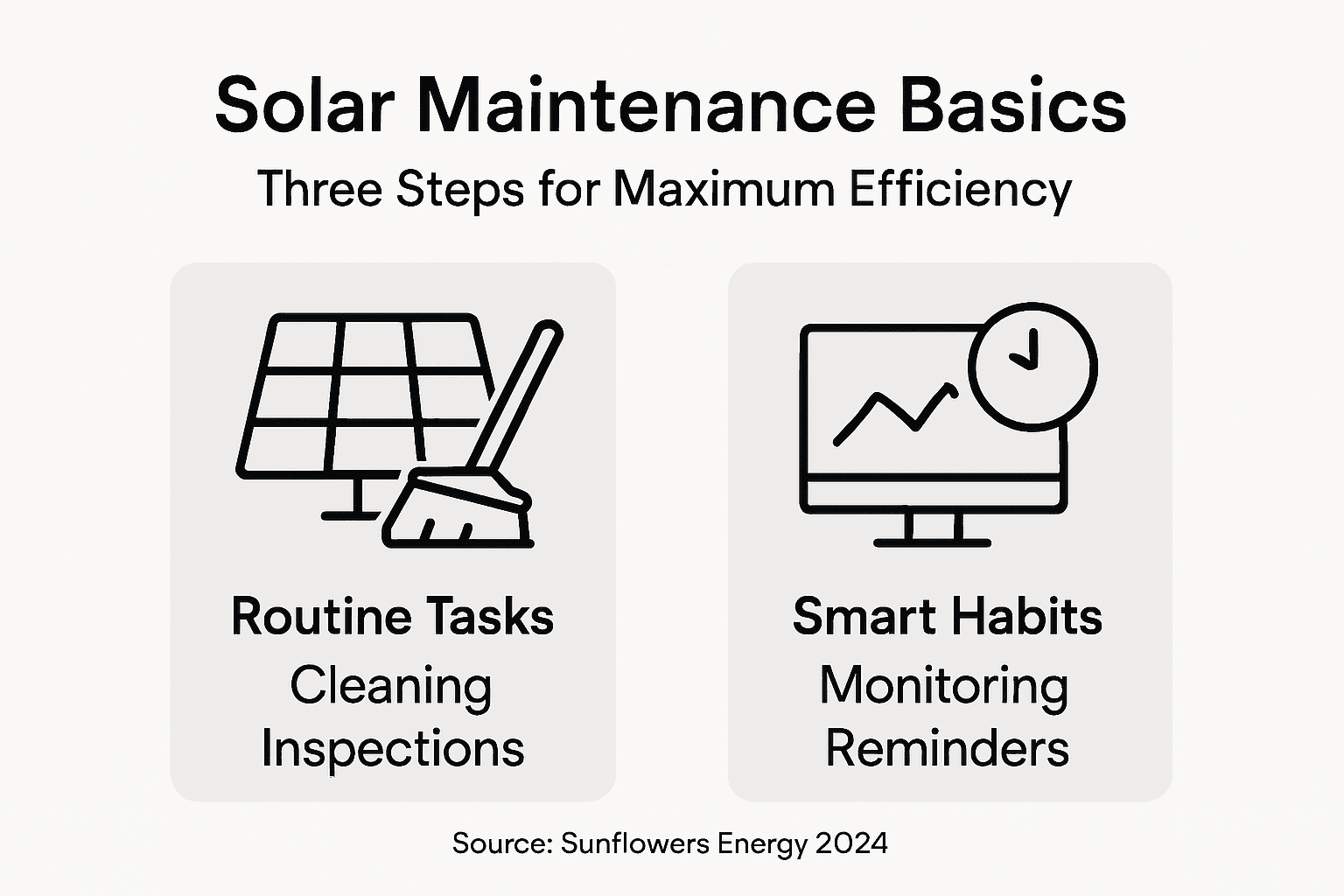
Dirt, pollen, bird droppings, and dust accumulate on your panels constantly. Each layer reduces the sunlight reaching your cells. A panel covered in debris can lose 15-25 percent of its output.
Scheduled cleaning and fault detection are foundational to maintaining energy conversion efficiency. The frequency depends on where you live—dusty climates need cleaning more often than rainy regions.
Basic cleaning steps:
- Turn off your system at the breaker
- Use a soft brush and deionized water only
- Avoid harsh chemicals or high-pressure washers
- Clean in early morning or late evening to avoid temperature shock
- Wear safety gear and secure your ladder properly
Conducting Effective Inspections
Monthly visual inspections take 10 minutes and prevent costly repairs. Look for obvious problems: cracks, loose wires, water damage, or discoloration.
During inspections, check for:
- Physical damage like cracks or delamination on panel surfaces
- Loose connections where wires meet the panels or inverter
- Corrosion on metal components or connectors
- Water pooling around the mounting structure
- Animal damage from squirrels, birds, or insects
Regular visual inspections catch 80 percent of issues before they become expensive problems.
Monitoring Your System’s Performance
Your monitoring system tells you when something’s wrong. Most modern systems include a mobile app showing real-time production data.
Watch for:
- Sudden drops in daily output without cloud cover
- Consistent underperformance compared to previous months
- Error messages from your inverter
- Inconsistent production across microinverters
If production drops by more than 10 percent, something needs attention. AI and IoT-enabled predictive maintenance now anticipates degradation before it happens, but you don’t need advanced tech to notice basic problems.
Check your system weekly. Spend two minutes reviewing the app. This habit catches issues fast.
Pro tip: Set a phone reminder for the first of each month to clean and inspect your panels, plus a weekly check of your monitoring app—consistency beats intensity every time.
Seasonal and Weather-Related Maintenance Steps
Your maintenance routine shouldn’t be the same year-round. Spring brings pollen and debris. Summer heat stresses electrical components. Fall leaves clog gutters near your panels. Winter snow and ice create hazards. Each season demands different attention.
Spring: Cleaning and Growth Management
Spring is your busiest maintenance season. Pollen, seeds, and winter dust coat your panels heavily. This is when output typically dips the most.
Spring priorities:
- Deep clean panels after winter accumulation
- Clear gutters and debris around mounting areas
- Inspect for winter damage like loose bolts or corrosion
- Check that water drains properly from the roof
Take advantage of mild weather and long days to climb safely. Your panels have likely lost 10-15 percent efficiency by April.
Summer: Heat Monitoring and Electrical Checks
Heat reduces panel efficiency. Extreme temperatures also stress inverters and wiring. Summer requires vigilance rather than heavy cleaning.
Summer tasks:
- Monitor system performance daily for heat-related drops
- Check inverter cooling vents for blockages
- Inspect electrical connections for corrosion or loose terminals
- Ensure proper airflow beneath panels for cooling
If your system includes microinverters, verify each one is communicating properly. Summer heat can expose weak connections fast.
Fall: Leaf and Debris Management
Falling leaves are your system’s enemy. They accumulate on panels and create moisture traps. Seasonal operations and maintenance adjustments should account for debris accumulation patterns specific to your region.
Fall maintenance:
- Clean panels weekly if trees surround your home
- Remove leaves and branches from the roof
- Inspect for water pooling or drainage issues
- Clear vents and cooling areas on inverters
Fallen leaves cause more damage than you’d expect—they retain moisture and block sunlight while accelerating corrosion underneath.
Winter: Snow, Ice, and Moisture Control
Winter brings snow load stress and moisture risks. Cold temperatures themselves don’t harm panels, but ice accumulation and water infiltration do.
Winter steps:
- Remove heavy snow carefully to prevent roof damage
- Never use salt or harsh chemicals on panels
- Inspect weathersealing around mounting penetrations
- Monitor for water ingress into electrical connections
- Verify system continues producing during sunny winter days
Snow actually increases output when it melts—clean snow acts as a reflector. Just ensure it doesn’t block vents or damage mounting hardware.
Pro tip: Create a seasonal checklist in your phone with tasks for each quarter, then set reminders—this prevents you from forgetting critical maintenance when you’re busy with other home projects.
Cost Considerations and Warranty Requirements
Maintenance doesn’t have to drain your budget. Smart spending on preventive care saves thousands on repairs later. But here’s the catch: your warranty might require specific maintenance steps to stay valid. Understand the costs and obligations now, not when you need a claim.
The Real Cost of Maintenance
Basic maintenance is affordable. Most homeowners spend $150 to $300 annually on professional help, while DIY cleaning costs almost nothing beyond your time and water.
Maintenance costs depend on system size, location, and environmental conditions. A dusty Arizona home needs more cleaning than a rainy Pacific Northwest installation. Geography shapes your budget.
Typical annual expenses break down like this:
- DIY cleaning and inspection: $0 to $100
- Professional annual inspection: $150 to $450
- Minor repairs and parts: $100 to $500
- Emergency repairs: $500 to $2,000-plus
The math is simple: spend $200 yearly on prevention, or $1,500 on crisis management. Prevention wins every time.
This overview summarizes typical annual solar maintenance costs and potential impacts:
| Service Type | Estimated Annual Cost | Impact on System | DIY or Professional |
|---|---|---|---|
| Cleaning & Inspection | $0–$100 | Prevents efficiency losses | DIY possible |
| Professional Inspection | $150–$450 | Detects hidden issues | Professional needed |
| Minor Repairs | $100–$500 | Extends panel lifespan | DIY sometimes |
| Emergency Repairs | $500–$2,000+ | Restores function | Professional only |
What Your Warranty Actually Requires
Read your warranty carefully. Many manufacturers require documented maintenance records to honor claims. Skip the maintenance, skip the coverage.
Warranty coverage often requires periodic inspections and documented maintenance records to remain valid. This isn’t a suggestion—it’s a requirement. Your warranty is only as strong as your maintenance documentation.
Common warranty requirements:
- Annual professional inspections
- Quarterly or biannual cleaning logs
- Immediate repair of defects
- No modifications without manufacturer approval
Keep records in a file or digital folder. Photos help prove you maintained your system properly.
Professional Services: When to Hire Help
You can handle basic cleaning and visual inspection yourself. Professional services shine when you need diagnostics, specialized equipment, or complex repairs.
Hire professionals for:
- Advanced performance testing and analytics
- Electrical safety inspections
- Inverter software updates
- Component replacements
- Warranty-required services
Skipping maintenance to save money backfires—repairs outside warranty coverage can exceed $5,000, while annual prevention costs less than $300.
The Long-Term Financial Picture
Solar systems typically last 25-30 years. Proper maintenance extends that lifespan and maximizes energy production throughout its lifetime. A well-maintained system generates 10-15 percent more electricity than a neglected one.
Over 25 years, that difference equals thousands in lost savings. A $500 annual maintenance budget prevents $10,000 in efficiency losses.
Pro tip: Photograph your initial system installation, keep all service records digitally, and photograph maintenance work you complete—these documents prove warranty compliance if you ever need to file a claim.
Protect Your Solar Investment with Expert Maintenance and Support
Maintaining your solar panels is critical for maximizing energy output and protecting your long-term savings. The article highlights key challenges like regular cleaning, performance monitoring, and seasonal care to prevent costly repairs and ensure your system runs at peak efficiency. If these responsibilities feel overwhelming or you want professional guidance, 1win Brazil – Sunflowers Energy LLC A Roofing and Solar Companys offers expert solar maintenance and inspection services tailored to your needs.
Take control of your solar system’s performance today. Partner with Sunflowers Energy to access premium solar panel solutions, advanced diagnostics, and reliable maintenance that safeguard your investment. Visit our main site at Sunflowers Energy to schedule your free onsite inspection and personalized quote. Ensure lasting energy savings and peace of mind with the right support now.
Frequently Asked Questions
What is involved in solar panel maintenance?
Solar panel maintenance primarily includes regular cleaning of the panels, performance monitoring, and routine inspections to catch potential issues early.
How often should I clean my solar panels?
The frequency of cleaning depends on your environment; generally, quarterly cleanings are recommended, while areas with heavy dust or pollution may require more frequent attention.
What are the differences in maintenance between monocrystalline, polycrystalline, and thin-film solar panels?
Monocrystalline panels typically require less maintenance, with quarterly cleaning and periodic inspections. Polycrystalline panels need moderate maintenance, with inspections every two months, while thin-film panels often require monthly cleaning and more frequent monitoring due to their shorter lifespan and faster degradation.
Why is performance monitoring important for solar panels?
Performance monitoring helps detect drops in energy production early, allowing for prompt adjustments or repairs, which ensures that the system operates at maximum efficiency and prolongs its lifespan.
Recommended
- Solar Panel Efficiency Explained: Maximize Energy Savings – Sunflowers Energy LLC A Roofing and Solar Companys
- Solar Energy Efficiency Guide for Maximized Home Savings – Sunflowers Energy LLC A Roofing and Solar Companys
- The Ultimate Guide to Solar Panel Service and Repairs – Sunflowers Energy LLC A Roofing and Solar Companys
- How to Choose Solar Roofing for Maximum Savings – Sunflowers Energy LLC A Roofing and Solar Companys

5 Responses