6 Essential Commercial Solar Solutions List for Businesses
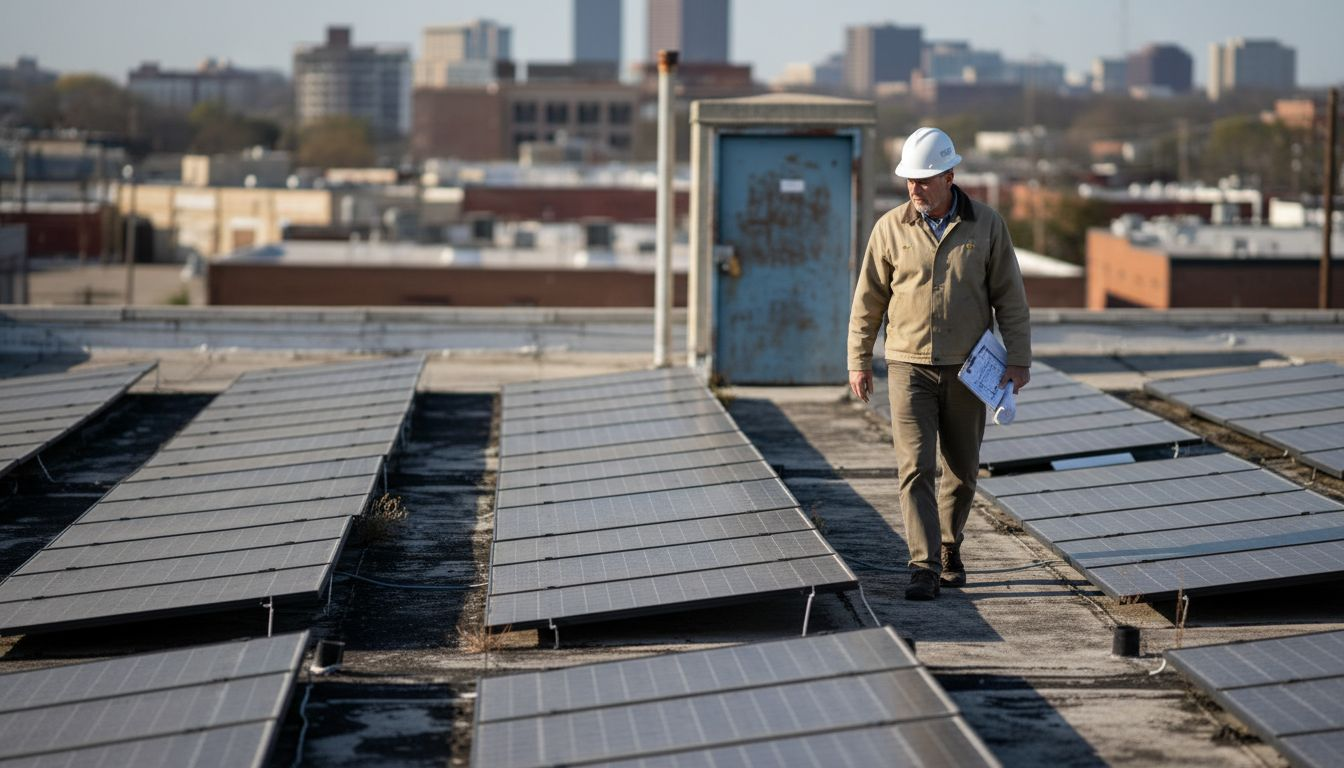
Investing in commercial solar sounds smart, but actually making the project work for your building can feel overwhelming. Every site comes with its own set of challenges, from evaluating your roof’s strength to choosing a system that matches your power needs. Without the right guidance, you risk unnecessary costs or disappointing results.
This guide breaks down the most important phases, decisions, and hidden pitfalls you’ll face on the path to a successful solar installation. You’ll get clear strategies for everything from assessing building suitability to maximizing the return on your investment with energy storage. Get ready to discover actionable solutions that turn uncertainty into confidence—with every step backed by real research and expert insights.
Table of Contents
- Assessing Building Suitability For Solar Panels
- Choosing The Right Commercial Solar System Size
- Maximizing ROI Through Energy Storage Solutions
- Integrating Solar With Existing Electrical Systems
- Utilizing Solar Financing And Incentive Programs
- Ensuring Reliable Maintenance And Performance Monitoring
Quick Summary
| Takeaway | Explanation |
|---|---|
| 1. Evaluate Roof’s Structural Capacity | Ensure your roof can support solar panels without additional reinforcement or minimal upgrades before installation. |
| 2. Assess Sunlight Exposure and Shading | Analyze sunlight availability on your roof and identify potential shading from nearby structures that could impact efficiency. |
| 3. Optimize Solar System Size | Match solar system output to your energy consumption to avoid costly oversizing or undersizing common mistakes. |
| 4. Consider Battery Storage Benefits | Implement energy storage to maximize savings and provide reliability during peak electricity pricing and outages. |
| 5. Maintain and Monitor Solar Systems | Regular maintenance and real-time monitoring increase efficiency and extend the lifespan of solar installations. |
1. Assessing Building Suitability for Solar Panels
Before installing commercial solar panels, you need to evaluate whether your building can actually support them. This assessment determines both the structural feasibility and the energy generation potential of your investment.
Suitability involves three critical areas: structural capacity, environmental conditions, and roof characteristics. Your building’s foundation, framing, and existing roof structure must support the added weight of photovoltaic systems. Environmental factors like sunlight availability, shading patterns, and seasonal weather patterns directly affect your system’s output and long-term performance.
Structural and Weight Considerations
Your roof must handle the weight of solar panels without reinforcement or minimal upgrades. A structural engineer can assess your building’s load-bearing capacity during an onsite inspection. Most modern commercial roofs support solar installations, but older buildings may require reinforcement.
Key structural factors include:
- Roof pitch and slope orientation for optimal panel placement
- Existing roof condition and remaining lifespan
- Foundation and beam strength to support added weight
- Building age and construction materials used
Sunlight and Shading Assessment
Solar generation depends directly on unobstructed sunlight exposure throughout the day and across seasons. Mapping solar irradiance across your rooftop reveals the best installation locations. Trees, neighboring buildings, and equipment can cast shadows that significantly reduce panel efficiency.
Your building’s solar potential isn’t just about the sun—it’s about what’s blocking it from reaching your roof.
You should evaluate shading impacts during different times of day and throughout the year. Morning and afternoon shadows from adjacent structures matter more than midday shadows. Even partial shading on one panel affects the entire system’s output.
Roof Type and Building Integration
Different roof types work better with solar systems. Flat commercial roofs allow flexible panel placement and future adjustments. Pitched roofs require racking systems that follow the angle, which affects installation costs.
Building orientation matters significantly too. South-facing roofs (in the Northern Hemisphere) receive maximum sunlight exposure. East and west-facing roofs generate less electricity but still perform adequately.
Consider also whether Building Integrated Photovoltaics might enhance your building’s appearance while generating power. BIPV systems can replace external shell components and improve aesthetic appeal.
Fire Safety and Setback Requirements
Local building codes require specific setbacks from roof edges, ridges, and parapet walls. These fire pathway requirements ensure emergency personnel can access your roof safely. Failure to meet these codes prevents system approval and creates liability issues.
Your installer must verify all local fire codes before designing your system. Some jurisdictions require solar panels set back two to four feet from ridge lines.
Pro tip: Pro tip: Conduct a professional structural and shading analysis before committing to a solar project, as these assessments reveal whether your building truly suits solar installation and what realistic output you can expect.
2. Choosing the Right Commercial Solar System Size
Getting your solar system size right is like fitting a suit—too small and it doesn’t work for you, too large and you waste money. The goal is matching your system’s output to your actual energy consumption patterns without oversizing.
A properly sized solar system generates enough power to cover your operational needs while maximizing your return on investment. Undersized systems leave you paying grid electricity bills for the energy you need. Oversized systems cost more upfront and take longer to pay for themselves.
Calculate Your Energy Consumption
Start by reviewing your electricity bills from the past 12 months. This shows your monthly and seasonal usage patterns, which vary significantly for most commercial buildings. Your summer air conditioning demands differ dramatically from winter heating needs.
Key consumption data to gather includes:
- Average monthly kilowatt-hour usage
- Peak demand hours and when they occur
- Seasonal variations throughout the year
- Planned expansions or equipment additions
Match System Output to Your Needs
Your solar installer uses photovoltaic system design principles that calculate how much power your array will generate based on location, sun exposure, and module efficiency. This ensures your system meets energy demands efficiently without excessive oversizing.
The calculation involves multiple factors working together. Your building’s geographic location determines solar irradiance levels throughout the year. Module efficiency, array configuration, and equipment specifications all affect real-world output.
The right system size balances what you need with what your roof can provide and what your budget allows.
Account for Growth and Storage
Consider whether your business will expand in the next five to ten years. Adding equipment, staff, or facilities increases energy demand beyond current levels. A slightly larger system today costs less than retrofitting additional capacity later.
If you operate critical equipment during nighttime hours or cloudy days, battery storage becomes important. Storage capacity must balance array size to ensure reliable power supply without over-investment in batteries you won’t use.
Avoid Common Sizing Mistakes
Many businesses size systems based on roof space rather than actual energy needs. Other companies ignore seasonal variations and oversizing for peak summer usage. Some fail to account for equipment aging and declining panel efficiency over time.
Oversizing by 25 percent seems safe, but wastes thousands in unnecessary costs. Undersizing by 10 percent means continued reliance on grid electricity during peak hours. The sweet spot targets meeting 90 to 100 percent of your typical annual consumption.
Pro tip: Pro tip: Request a detailed energy audit from your solar provider before system design, as this analysis reveals your actual consumption patterns and prevents costly oversizing or undersizing mistakes.
3. Maximizing ROI Through Energy Storage Solutions
Solar panels generate power when the sun shines, but your business runs 24/7. Energy storage bridges this gap by capturing excess power and releasing it when you need it most, transforming your solar investment into a reliable revenue generator.
Without storage, excess midday solar generation simply feeds back to the grid at lower rates. You still buy expensive electricity during peak evening hours when rates are highest. Battery storage eliminates this mismatch by letting you use your own power when it’s most valuable.
How Energy Storage Increases Returns
Battery systems work alongside your solar array to maximize savings through time-of-use optimization. You store cheap solar power during the day and consume it during expensive peak hours. This arbitrage alone can improve your ROI by 20 to 40 percent depending on your utility’s rate structure.
Energy storage also protects against grid outages. When the power goes down, your building stays operational with stored power. This reliability is worth significant money for hospitals, data centers, manufacturing facilities, and other critical operations.
The Technology Advantage
Battery storage systems, particularly lithium-ion technologies, continue dropping in cost while performance improves. These falling expenses make storage financially attractive for more commercial applications each year. Modern batteries last 10 to 15 years with minimal degradation.
Your storage system captures excess solar generation that would otherwise be wasted. This reduces curtailment issues and increases overall solar utilization across your facility.
Storage transforms solar from a part-time power source into a full-time energy partner.
Key ROI Drivers from Storage
Energy storage delivers returns through multiple channels that work together:
- Peak demand charge reduction by avoiding high-cost rate periods
- Demand response participation and utility incentive programs
- Increased solar self-consumption and reduced grid purchases
- Protection against rising electricity rates over time
- Potential grid services revenue in some markets
- Backup power value during outages
Calculating Your Storage Payback
Storage payback depends on your utility rates, peak demand charges, and usage patterns. Buildings with high peak demand charges see faster payback. Facilities in markets with time-of-use rates benefit immediately from load shifting.
Many commercial properties recover storage costs in 7 to 10 years through operational savings alone. Add in backup power value and potential grid service revenue, and payback accelerates significantly. Tax incentives and rebates further improve economics.
Pro tip: Pro tip: Analyze your utility bill’s demand charges and peak pricing structure before sizing storage, as these rates determine how much value battery capacity will deliver to your bottom line.
4. Integrating Solar With Existing Electrical Systems
Your solar system doesn’t operate in isolation. It must work seamlessly with your building’s existing electrical infrastructure, utility connection, and all the equipment that depends on reliable power. Proper integration requires careful planning and compatible equipment.
When solar panels generate power, that electricity flows into your building’s electrical system alongside grid power. Your building uses whichever source is available, but the system must manage both sources safely and efficiently. This two-way power flow is fundamentally different from traditional one-way grid connections.
The Role of Inverters and Power Electronics
Inverters are the bridge between your solar panels and your electrical system. Solar panels generate direct current electricity, but your building equipment uses alternating current. Inverters convert DC to AC while regulating voltage, frequency, and current quality to match your building’s needs.
Modern inverters also manage bidirectional power flow when your system exports excess power back to the grid. They continuously monitor electrical conditions and adjust output to maintain compatibility with existing equipment. Without proper inverter sizing and specification, you risk equipment damage and system failures.
Key integration components include:
- Appropriately sized and rated inverters for your solar array
- Disconnect switches and safety equipment
- Upgraded electrical panels if necessary
- Monitoring systems for real-time performance visibility
- Proper grounding and electrical code compliance
Managing Variable Solar Generation
Unlike traditional power plants, solar generation varies throughout the day based on weather and sunlight intensity. Managing solar system integration requires your electrical infrastructure to adapt to these fluctuations smoothly. Your utility connection acts as backup when solar output drops.
This variability doesn’t create problems for most commercial buildings because electrical loads fluctuate throughout the day too. Your HVAC system, lighting, and equipment use more power at certain times. Solar output typically peaks when cooling demands are highest.
Your existing electrical system is more flexible than you think—it’s designed to handle variable loads every single day.
Grid Connection and Utility Requirements
Connecting solar to the grid requires utility approval and compliance with interconnection standards. Your utility will perform an interconnection study to ensure your solar system won’t negatively impact grid stability or other customers’ service.
Most utilities require specific safety equipment and monitoring capabilities. These protections allow automatic disconnection if grid voltage or frequency become abnormal. They also enable remote monitoring of your system’s performance and grid contribution.
Integration challenges decrease when you work with experienced installers who understand your utility’s specific requirements and electrical codes.
Pro tip: Pro tip: Request your utility’s interconnection requirements and electrical code requirements early in your solar planning process, as these specifications drive equipment selection and installation costs.
5. Utilizing Solar Financing and Incentive Programs
The upfront cost of commercial solar installation stops many businesses from going solar, even though long-term savings are substantial. Fortunately, multiple financing options and incentive programs exist to reduce your out-of-pocket expenses and accelerate your payback timeline.
These programs can cut your net solar cost by 30 to 50 percent or more. Understanding what’s available in your location and which options align with your financial goals is crucial to maximizing your investment.
Federal Tax Credits and Incentives
The federal government offers significant tax credits for commercial solar installations. These credits currently cover a substantial percentage of your system cost, making solar much more affordable. Tax credit eligibility and rates change periodically, so timing matters for your project.
Beyond federal credits, state and local governments offer additional incentives. These vary dramatically by location and may include rebates, performance-based incentives, or accelerated depreciation schedules. Your state’s specific programs could add thousands of dollars to your savings.
Common incentive types include:
- Federal Investment Tax Credits (ITC)
- State and local tax credits
- Performance-based rebates and incentives
- Accelerated depreciation schedules
- Net metering credits for exported power
Financing Options for Every Situation
You don’t need to pay cash to go solar. Commercial solar financing options include traditional loans, equipment leases, and power purchase agreements. Each approach has different cash flow implications and tax benefits.
Direct loans let you own your system and claim all tax benefits and incentives. Leases and power purchase agreements require smaller upfront investment but provide lower long-term savings. The best choice depends on your tax situation, balance sheet, and risk tolerance.
The right financing option turns solar from a major capital investment into a manageable monthly expense.
Researching Your Specific Incentives
Incentive programs vary significantly by state, utility, and even by specific location. What’s available in one city may not exist 50 miles away. The Database of State Incentives for Renewables and Efficiency provides comprehensive, current information on all available programs.
This resource helps you identify which federal, state, and local incentives apply to your specific project. You can see program details, eligibility requirements, and potential savings amounts. Armed with this information, you can compare financing options confidently.
Timing Your Solar Project
Incentive programs sometimes change or expire, affecting your project economics. Federal tax credits have phase-out schedules that reduce benefits in future years. State rebate programs occasionally reach funding limits and close.
Moving your project timeline forward by even six months can mean the difference between claiming a higher credit or a lower one. Your solar installer can help analyze timing impacts on your specific financial situation.
Pro tip: Pro tip: Consult the DSIRE database and your solar installer before finalizing your project timeline, as federal and state incentive expirations directly affect your total savings and payback period.
6. Ensuring Reliable Maintenance and Performance Monitoring
Installing solar panels is just the beginning. Your system needs ongoing attention to maintain peak performance and catch problems before they become expensive failures. Smart monitoring and preventive maintenance protect your investment and maximize energy production over decades.
Many property managers overlook maintenance, assuming solar systems are completely passive. In reality, dust, debris, weather damage, and component degradation gradually reduce output. Systems that receive proper monitoring and care produce 5 to 10 percent more energy than neglected installations.
Real-Time Performance Monitoring Systems
Modern solar systems include monitoring platforms that track output continuously. These systems compare your actual performance against expected generation based on weather conditions. Significant gaps between expected and actual output signal that something needs attention.
Real-time health monitoring techniques analyze your system’s performance data and environmental conditions to detect problems promptly. When monitoring systems identify anomalies, you can address issues before they escalate into major failures. This preventive approach saves thousands in emergency repairs.
Effective monitoring provides:
- Hourly or daily performance visibility
- Alerts when output drops below expectations
- Historical data showing long-term trends
- Early detection of inverter or module failures
- Documentation for warranty claims
Preventive Maintenance Tasks
Regular maintenance keeps your system operating at peak efficiency. Most commercial systems need professional inspection annually and cleaning every one to three years depending on local conditions.
Dust, pollen, bird droppings, and leaves reduce sunlight reaching your panels. In arid climates, dust accumulation happens faster. Coastal areas face salt spray corrosion. Your maintenance schedule should reflect your specific environment.
Key maintenance activities include:
- Professional panel cleaning to remove debris
- Inverter and electrical system inspections
- Structural mounting and fastener checks
- Thermal imaging to detect failing modules
- Wiring and connection verification
Identifying Performance Problems
Your monitoring system alerts you to problems, but understanding what those alerts mean requires basic knowledge. A sudden 20 percent output drop suggests possible panel shading or equipment failure. Gradual output decline over months often indicates soiling or component aging.
Prevention costs a few hundred dollars annually, but emergency repairs cost thousands and sideline your system for days.
Working With Service Providers
Establish a relationship with qualified solar service technicians before problems arise. Request annual maintenance visits as part of your system contract. These proactive inspections identify issues during routine service rather than emergency calls.
Your service provider should document all maintenance activity, test system components, and provide performance reports. This documentation supports warranty claims and helps track your system’s health over time.
Pro tip: Pro tip: Enable all monitoring system alerts and review performance dashboards monthly, as catching performance drops early prevents major failures and keeps your system producing maximum energy output.
Below is a comprehensive table summarizing the key points and considerations for implementing commercial solar systems discussed in the article.
| Aspect | Details | Key Takeaways |
|---|---|---|
| Building Suitability | Assessment of structural capacity, environmental conditions, and roof characteristics. | Conduct professional analysis prior to installation to ensure compatibility. |
| System Sizing | Calculate energy consumption and match system output to needs. | Avoid oversizing or undersizing for optimal investment. |
| Energy Storage | Capture excess generation for use during peak periods or outages. | Enhances ROI and supplies reliable power. |
| Integration | Proper setup with inverters and compliance with utility requirements. | Ensures seamless and safe operation. |
| Financing Options | Utilize tax credits, incentives, and financing to reduce upfront costs. | Reduces investment burden and accelerates payback. |
| Maintenance | Perform regular inspections and cleaning to maintain system efficiency. | Prolongs system lifespan and maximizes energy output. |
Unlock the Full Potential of Your Commercial Solar Investment Today
Installing commercial solar panels involves critical decisions like building suitability, system sizing, integration, and maintenance. These challenges can feel overwhelming when trying to maximize your ROI and ensure long-term reliable energy savings. Whether you are concerned about structural capacity, optimizing system size to match your energy needs, or exploring energy storage options, expert guidance makes all the difference.
Sunflowers Energy specializes in delivering tailored commercial solar solutions that address these complexities with precision. From conducting thorough onsite assessments to designing systems optimized for your building and local incentives, our team brings premium materials and cutting-edge technology to your project. We help you avoid costly mistakes in sizing or integration while boosting your energy efficiency and protecting your investment with reliable maintenance.
Take control of your business sustainability with confidence. Visit Sunflowers Energy for a free onsite inspection and personalized consultation. Discover how our commercial solar systems, roofing services, and financing expertise help you save money and reduce your environmental footprint. Don’t wait—start your journey to smarter energy today by contacting our trusted professionals who understand your unique challenges.
Frequently Asked Questions
How do I assess if my building is suitable for solar panels?
To assess your building’s suitability for solar panels, evaluate the structural capacity, environmental conditions, and roof characteristics. Conduct a professional inspection to examine the roof’s weight-bearing capabilities and identify any shading from surrounding structures.
What factors should I consider when choosing the size of my commercial solar system?
When sizing your solar system, analyze your historical energy consumption data to align the system output with your operational needs. Aim for a system that covers around 90 to 100 percent of your typical annual electricity usage while accounting for potential future expansion or equipment additions.
How can energy storage solutions enhance my solar investment?
Energy storage solutions maximize the benefits of your solar investment by allowing you to store excess solar power for use during peak demand hours. Implementing a battery storage system can improve your ROI by 20 to 40 percent, depending on your utility’s rate structure.
What maintenance is required to keep my solar system performing well?
Regular maintenance for your solar system includes annual inspections and cleaning every one to three years to remove debris. By ensuring consistent performance monitoring and addressing potential issues promptly, you can optimize energy production and extend the lifespan of your system.
How do I ensure proper integration of my solar system with existing electrical infrastructure?
To ensure proper integration, work with experienced installers who can assess your building’s electrical system and recommend compatible inverters and safety equipment. Understanding your local utility’s interconnection requirements will help facilitate a seamless connection between your solar system and the grid.
What financing options are available for commercial solar installation projects?
Various financing options exist for commercial solar installations, including direct loans, equipment leases, and power purchase agreements. Evaluate each option to determine which aligns best with your budget and financial goals, ensuring you maximize any available incentives to lower your overall cost.
Recommended
- 7 Essential Solar Installation Tips for Businesses – Sunflowers Energy LLC A Roofing and Solar Companys
- Commercial Solar Basics: Powering Business Sustainability – Sunflowers Energy LLC A Roofing and Solar Companys
- What Is Commercial Solar and Why It Matters – Sunflowers Energy LLC A Roofing and Solar Companys
- Top 5 Sunsky-energy.com Alternatives in 2026 for Eco-conscious Homeowners and Commercial Property Managers – Sunflowers Energy LLC A Roofing and Solar Companys