
Why Upgrade to Solar: Savings, Value, and Impact
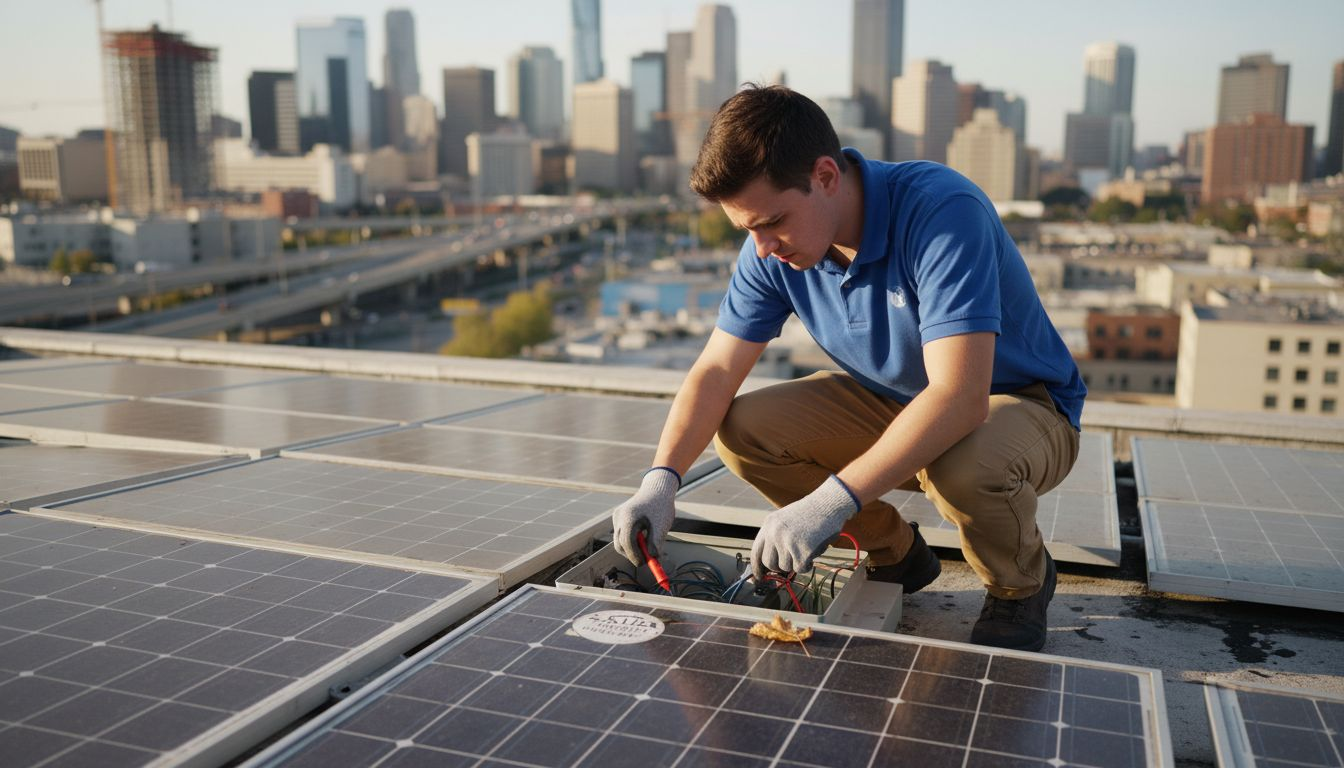
Upgrading to solar often starts with questions about how the technology impacts your home and wallet. For urban American homeowners, choosing solar means making a commitment to renewable, abundant energy while lowering electricity bills and supporting environmental goals. This guide explains the essential concepts, helping you understand system efficiency, installation options, and the financial incentives available so you can confidently plan your solar journey.
Table of Contents
- Solar Energy Upgrades: Core Concepts Explained
- Types of Residential Solar Solutions in 2026
- How Solar Panels Work with Modern Roofing
- Financial and Environmental Benefits for Homeowners
- Understanding 2026 Incentives and Common Misconceptions
Key Takeaways
| Point | Details |
|---|---|
| Understanding Solar Technology | Solar systems convert sunlight into electricity, primarily through photovoltaics for residential use, providing renewable, abundant energy. |
| Financial Benefits | Homeowners can see electricity bill reductions of 50-90%, with the investment typically recouped within 6-10 years, increasing property value. |
| Environmental Impact | Installing solar reduces carbon emissions significantly, aligning homeowners with global sustainability goals and improving local air quality. |
| Incentives and Affordability | Federal tax credits and state incentives make solar more affordable than ever, debunking myths about high costs and efficiency on cloudy days. |
Solar Energy Upgrades: Core Concepts Explained
Upgrading to solar means understanding how the technology actually works and what it delivers for your home. Solar energy systems convert sunlight into electricity through proven technologies that have evolved dramatically over the past decade. Let’s break down the core concepts so you can make an informed decision about whether solar is right for your situation.
What Solar Energy Technology Does
Solar energy technologies capture solar radiation and convert it into usable electricity for your home. The two primary methods are photovoltaics (PV)—the most common residential option—and concentrating solar power (CSP), used mainly in large-scale installations.
Photovoltaic panels are what you see on roofs throughout urban neighborhoods. They contain semiconductor materials that generate electricity directly when sunlight hits them. No moving parts, no fuel required, no emissions.
Why This Matters for Your Home
Solar provides renewable, abundant energy that reduces dependence on the electrical grid. For homeowners in urban areas, this means lower electricity bills and protection against rising energy costs.
Key benefits include:
- Reduced monthly electricity bills (often significantly)
- Protection from future rate increases
- Increased home value and appeal
- Lower carbon footprint
- Enhanced energy independence
Solar energy is renewable and abundant—your home generates power every sunny day without depleting any resource.
Understanding how solar energy efficiency impacts your specific home helps you anticipate realistic savings. System efficiency depends on panel quality, roof orientation, shading, and local climate conditions.
The Global Context
Solar technology plays a major role in sustainable development worldwide. Clean, renewable solar energy supports international climate agreements by reducing fossil fuel dependency and greenhouse gas emissions.
For your home specifically, installing solar aligns your household with broader environmental goals. You’re not just saving money—you’re contributing to climate action.
How Systems Connect to Your Home
Residential solar systems include:
- Solar panels (roof-mounted) capturing sunlight
- Inverter converting DC electricity to AC current for your appliances
- Electrical wiring connecting panels to your home’s system
- Meter tracking energy production and consumption
- Battery storage (optional) for backup power
The system integrates seamlessly with your home’s existing electrical infrastructure. During sunny hours, you generate power. On cloudy days or at night, you draw from the grid (or stored battery power).
Pro tip: Ask Sunflowers Energy about a free onsite inspection—our team evaluates your roof condition, sun exposure, and energy needs to recommend the right system size and configuration for your specific home.
Types of Residential Solar Solutions in 2026
Not all solar systems are created equal. The right solution for your urban home depends on your goals, budget, and energy needs. In 2026, homeowners have three main options, each with distinct advantages and ideal use cases.
Grid-Tied Systems: Simplicity and Savings
Grid-tied systems connect directly to your local electrical grid without battery storage. When your panels generate more power than you use, excess electricity flows back to the grid, often earning you credits on your utility bill.
This configuration is the most popular choice for urban homeowners because it’s straightforward and affordable. You avoid the high cost of battery storage while still enjoying significant monthly savings.
Benefits of grid-tied systems:
- Lower upfront installation costs
- Simplified maintenance and operation
- Utility bill credits for excess production
- No battery degradation over time
- Scalable—add panels later if needed
Off-Grid Systems: Complete Energy Independence
Off-grid systems operate independently from the utility grid entirely. They require substantial battery storage to power your home during night hours and cloudy periods. You generate, store, and use your own electricity without relying on external power sources.
This approach makes sense only in specific situations—rural properties without grid access, or homeowners committed to complete self-sufficiency. For urban neighborhoods, off-grid systems are rarely practical or cost-effective.
Here’s how the three main residential solar system types differ in 2026:
| System Type | Grid Connection | Battery Storage | Ideal Home Setting |
|---|---|---|---|
| Grid-Tied | Yes | No | Urban, cost-focused homes |
| Off-Grid | No | Yes (large) | Remote, off-grid homes |
| Hybrid | Yes | Yes (small/medium) | Urban homes needing backup |
Hybrid Systems: Best of Both Worlds
Hybrid systems combine grid connection with battery storage. You enjoy grid savings during the day while storing excess power for nighttime use or backup during outages. Residential solar systems with battery integration represent the most advanced solution available today.
Advantages of hybrid setups:
- Lower reliance on the grid
- Backup power during outages
- Optimized energy usage with smart management
- Protection against rising electricity rates
- Maximum long-term savings potential
Hybrid systems offer reliability and control—you store power when it’s abundant and use it when you need it most.
Technology Advances in 2026
Modern solar solutions now feature smart energy management systems that automatically optimize your usage. Inverters are more efficient than ever, and battery technology continues improving with better performance and lower costs.
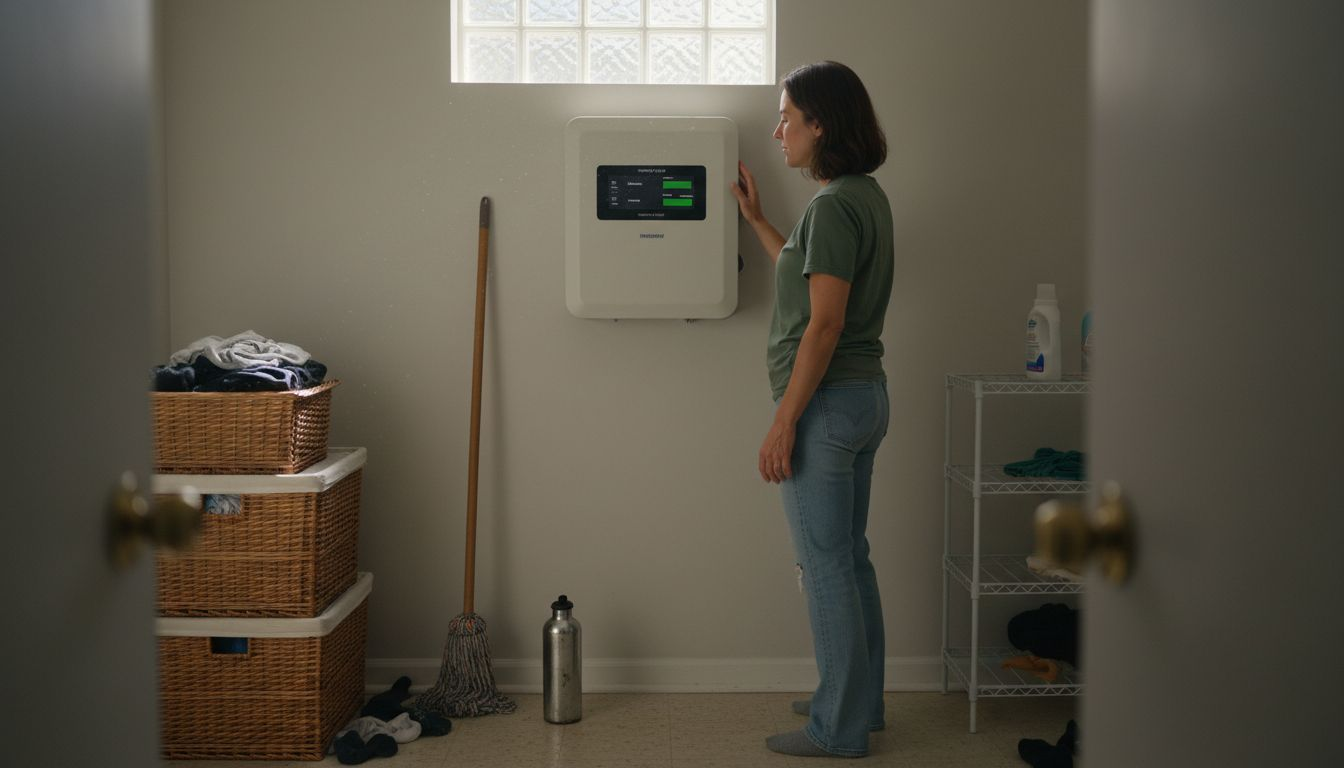
Integration with home automation systems means your solar setup communicates with smart appliances, water heaters, and electric vehicle chargers. This creates seamless energy flow throughout your home.
Choosing Your System Type
For most urban homeowners, grid-tied or hybrid systems deliver the best balance of cost, savings, and practicality. Grid-tied works well if you prioritize immediate savings and simplicity. Hybrid makes sense if you want backup power and maximum long-term resilience.
Pro tip: Schedule a free onsite consultation with Sunflowers Energy to evaluate your roof condition, sun exposure, and energy consumption—our experts will recommend the system type that maximizes your savings and fits your specific situation.
How Solar Panels Work with Modern Roofing
Solar panels and roofing must work together seamlessly. Your roof isn’t just a mounting surface—it’s part of an integrated system that affects efficiency, durability, and how long your solar investment lasts. Understanding this relationship helps you make better decisions about your home upgrade.
The Integration Challenge
Traditional solar installations mount panels on top of existing roofs using rack systems. This approach works but creates a second layer that complicates maintenance and can affect roof longevity. Water penetration, wind stress, and thermal expansion all become factors when adding hardware to an aging roof.
Building-integrated photovoltaics (BIPV) represent a modern solution where solar cells embed directly into roofing materials. This eliminates the gap between panels and roof, improving both aesthetics and structural integrity.
How Modern Solar Roofing Works
BIPV systems replace traditional roofing shingles or tiles with solar-generating alternatives. Solar cells layer into the material itself rather than sitting on top. This creates a weather-tight seal and eliminates typical mounting vulnerabilities.
Key advantages of integrated solar roofing:
- Single protective layer instead of two separate systems
- Cleaner visual appearance blending with home architecture
- Reduced installation complexity and roof penetration points
- Enhanced weather resistance and durability
- Streamlined maintenance compared to rack-mounted systems
Roof Condition Matters
Your existing roof’s age and condition directly impact solar installation planning. If your roof is older than 15 years, replacement might make sense before adding solar. New roofing and solar installation together actually cost less than replacing roof first, then adding panels separately.
A healthy roof is your solar system’s foundation—damage or deterioration compromises your entire investment.
Sunflowers Energy evaluates roof structure, materials, and remaining lifespan during the consultation process. This ensures your solar system sits on a surface that will last 25+ years without issues.
Structural and Electrical Integration
Modern roofing designed for solar accounts for weight distribution and wind load. BIPV systems reduce installation risks related to roof damage while meeting building codes and structural requirements.
Electrical wiring integrates into the roof system rather than running along the surface. This protects wiring from weather exposure, UV damage, and accidental damage.
Planning Your Solar Roofing Project
The best approach combines roof assessment, solar design, and installation timing. If your roof needs replacement, plan solar installation as part of that project. If your roof is relatively new, traditional rack-mounted systems work fine until the roof needs replacement.
Considerations for your specific home:
- Current roof age and remaining lifespan
- Roof pitch and orientation toward sun
- Shading from trees or nearby buildings
- Local wind and weather conditions
- Your preferred aesthetic appearance
Pro tip: Request a comprehensive roof inspection from Sunflowers Energy before committing to solar—our experts assess whether new roofing makes sense alongside your solar installation, potentially saving thousands and ensuring a 25-year project lifespan.
Financial and Environmental Benefits for Homeowners
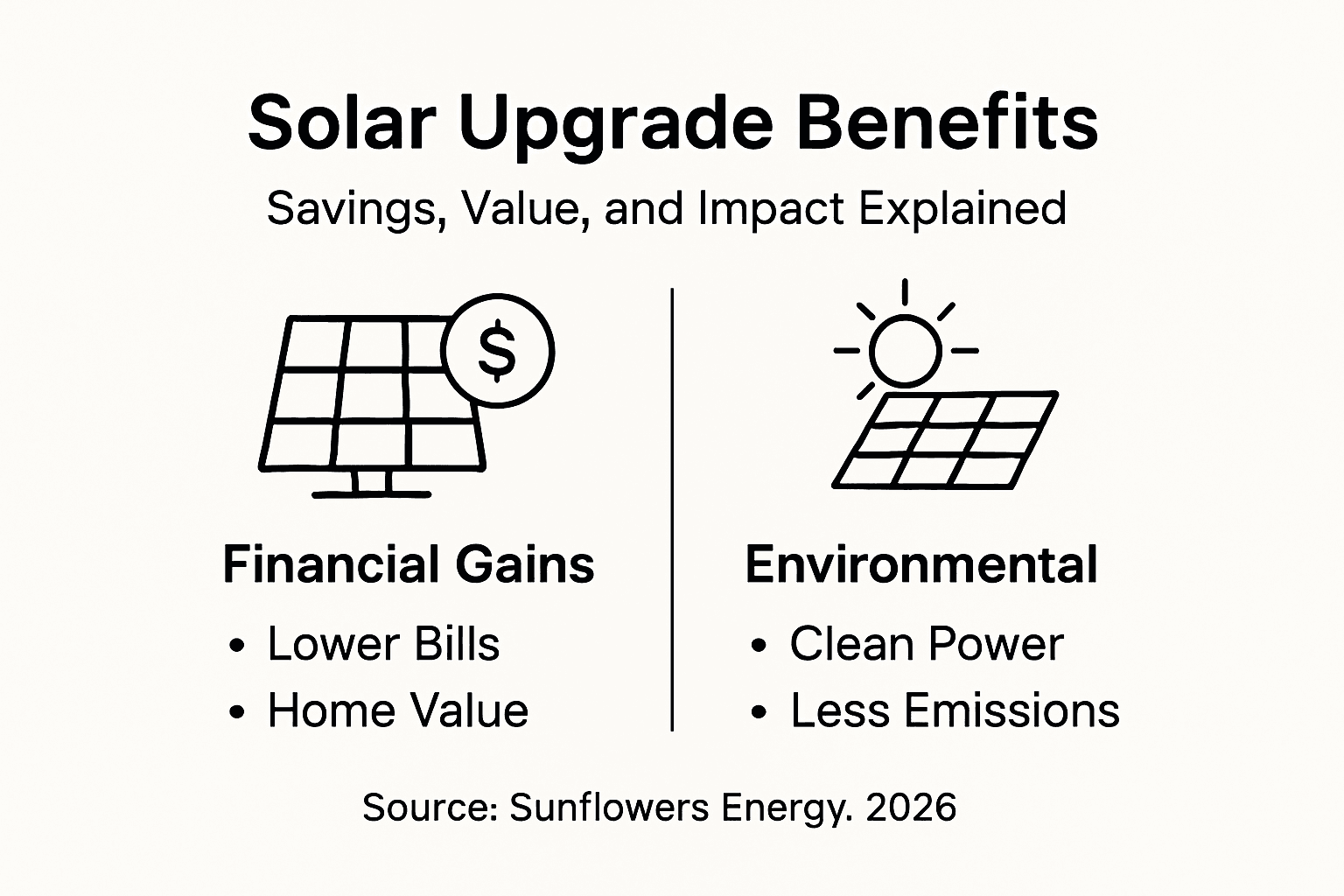
Solar isn’t just an environmental statement—it’s a smart financial decision. Urban homeowners who upgrade to solar typically see dramatic reductions in electricity bills while simultaneously increasing their home value. The combination of financial and environmental returns makes solar one of the most attractive home improvements available today.
Immediate Cost Savings on Electricity Bills
Solar energy reduces electricity bills by generating power your home uses directly instead of purchasing it from the grid. The amount you save depends on system size, local electricity rates, and sun exposure, but most homeowners see 50-90% reductions in their monthly energy costs.
Your savings begin immediately after installation. During sunny months, your system generates excess power that flows back to the grid. Many utilities credit these kilowatt-hours to your account through net metering programs, effectively paying you for surplus energy.
Typical financial benefits include:
- Monthly electricity bill reductions of 50-90%
- Credits from excess power fed back to grid
- Protection against rising electricity rates
- Predictable energy costs for 25+ years
- System pays for itself in 6-10 years for most homeowners
Long-Term Wealth Building
Solar panels are considered home upgrades, not consumable expenses. Installing solar increases your property value significantly—studies show homes with solar systems sell faster and command higher prices than comparable properties without solar.
Realistically, you’ll recoup your investment through bill savings before ever selling. But if you do sell, the system transfers to the new owner as a valuable feature, similar to an updated kitchen or roof.
Solar systems generate returns for decades—your initial investment becomes pure savings after the payback period.
Environmental Impact That Matters
Clean solar energy reduces carbon emissions and supports climate agreements worldwide. When your home generates its own power instead of drawing from the grid, you’re eliminating fossil fuel combustion and the air pollution that comes with it.
One residential solar system prevents approximately 3-4 tons of carbon dioxide emissions annually—equivalent to planting 40 trees every year. Over the system’s 25-year lifespan, your home’s solar installation prevents roughly 100 tons of greenhouse gas emissions.
Environmental advantages:
- Eliminates reliance on fossil fuels for your household
- Reduces air pollution and improves local air quality
- Supports international climate change mitigation goals
- Decreases water usage (solar requires no water to generate electricity)
- Protects natural resources for future generations
Tax Incentives and Government Support
Federal tax credits make solar more affordable. The Investment Tax Credit (ITC) allows you to deduct a percentage of installation costs from your federal taxes. Many states offer additional incentives including rebates, performance payments, and accelerated depreciation for solar systems.
These government incentives recognize both the financial and environmental value of residential solar. They effectively reduce your out-of-pocket costs while accelerating your return on investment.
The Complete Picture
You’re not choosing between financial gain and environmental responsibility—solar delivers both simultaneously. Your monthly savings fund your own wallet while reducing emissions. Your increased home value reflects the upgrade’s lasting quality.
Pro tip: Ask Sunflowers Energy about current tax incentives, rebates, and financing options in your area—combining federal credits, state programs, and smart financing can reduce your upfront costs by 30-50% while maximizing long-term savings.
Understanding 2026 Incentives and Common Misconceptions
Incentive programs change frequently, and misconceptions about solar costs and performance persist even as technology improves. Understanding what’s actually available in 2026 and what’s myth versus reality helps you make confident decisions about upgrading your home.
Current Incentives Shaping Your Decision
Government policies and incentives accelerate solar adoption by reducing upfront costs and improving long-term returns. The federal Investment Tax Credit (ITC) currently allows you to deduct 30% of installation costs from your federal income taxes—one of the most valuable incentives available.
Beyond federal support, many states and municipalities offer localized programs. These vary significantly by location and change annually, making it essential to check what applies to your specific address.
Common 2026 incentive types:
Below is a summary of current 2026 solar incentives and their typical benefits:
| Incentive Type | Typical Value | How It Lowers Costs |
|---|---|---|
| Federal Tax Credit (ITC) | 30% of installation | Immediate federal tax savings |
| State/Local Rebates | $500–$3,000 average | Reduces initial outlay |
| Net Metering | Varies by state | Offsets bills with credits |
| Property Tax Exemption | 100% of add-on value | No increase in taxes |
- Federal tax credits (30% of installation costs)
- State-level rebates and tax credits
- Performance-based incentives (payments per kilowatt-hour generated)
- Net metering credits from utilities
- Property tax exemptions for solar systems
- Financing assistance and low-interest loans
The Myth: Solar Is Too Expensive
Solar costs have dropped 89% over the past decade. In 2026, residential systems are more affordable than ever, often costing less per watt than they did five years ago. When you factor in federal tax credits and state incentives, your actual out-of-pocket cost drops dramatically.
Many homeowners qualify for zero-down financing, meaning they pay nothing upfront and start saving on day one. Your monthly system payment is typically less than your current electricity bill reduction.
Affordable financing turns solar from an investment into an immediate cash-flow improvement—you save money from month one.
The Myth: Solar Doesn’t Work on Cloudy Days
Solar panels generate electricity on cloudy days, just less than on sunny days. Urban homes in northern climates still achieve excellent returns because modern panels are highly efficient even in lower light conditions.
Your system size accounts for local weather patterns and seasonal variations. Sunflowers Energy designs systems based on your specific location’s average cloud cover and sun exposure, not on ideal conditions.
The Myth: Your Roof Must Face South
While south-facing roofs are ideal, east and west-facing panels generate substantial power. Your roof pitch, shading from trees, and local weather patterns matter more than perfect orientation.
Understanding public education about solar technology misconceptions helps homeowners evaluate their homes accurately. An experienced installer assesses your specific roof conditions and recommends the optimal placement.
The Myth: Solar Panels Damage Your Roof
Professionally installed solar systems protect your roof, not harm it. Mounting hardware distributes weight evenly across structural beams. Modern installation includes flashing and waterproofing that actually improves your roof’s weather resistance.
If your roof needs replacement, combining that project with solar installation typically costs less than doing each separately. Sunflowers Energy evaluates roof condition during the consultation and recommends the most cost-effective approach.
Making Your Decision in 2026
Incentives and financing options make 2026 an excellent year for solar upgrades. Tax credits remain strong, installation costs are competitive, and misconceptions shouldn’t prevent you from evaluating your home’s potential.
Pro tip: Get a free onsite inspection from Sunflowers Energy to understand exactly what incentives apply to your address, what your specific roof can support, and how much you’ll save—this removes guesswork and lets you make decisions based on accurate information.
Unlock Solar Savings and Greater Home Value Today
Upgrading to solar is more than just an eco-friendly choice it is a proven way to tackle rising energy costs and boost your home’s value while enhancing your environmental impact. As highlighted in the article Why Upgrade to Solar Savings Value and Impact, you face challenges such as selecting the right solar system type understanding roof integration and maximizing financial incentives. Sunflowers Energy specializes in addressing these exact concerns with tailored residential solar installations premium roofing solutions and expert guidance to connect your home with efficient renewable energy.
Imagine slashing your energy bills protecting your home with durable roofing and contributing to a cleaner planet all at once. Our experienced team offers free onsite inspections that evaluate your roof condition sun exposure and energy needs so you get the system that fits perfectly without guesswork. Discover how combining residential solar systems with advanced roofing upgrades can extend the life of your investment and provide lasting savings.
Ready to turn sunlight into savings plus elevate your home’s comfort and value Ask Sunflowers Energy now for a personalized quote and see how incentives and smart designs make 2026 the perfect time to switch. Visit Sunflowers Energy and schedule your free consultation to start your sustainable energy journey today.
Frequently Asked Questions
What are the main benefits of upgrading to solar energy?
Upgrading to solar energy can lead to reduced monthly electricity bills, protection from rising energy costs, increased home value, a lower carbon footprint, and enhanced energy independence.
How does solar energy work?
Solar energy systems work by capturing sunlight using solar panels, which convert it into usable electricity for your home. The two main technologies used are photovoltaics (PV), primarily for residential use, and concentrating solar power (CSP).
What types of solar systems are available for residential use?
There are three main types of residential solar systems: grid-tied systems, which connect to the local electrical grid; off-grid systems, which operate independently; and hybrid systems, which combine grid connection with battery storage for added flexibility and backup power.
How do financial incentives affect the cost of solar installation?
Federal and state incentives, such as the Investment Tax Credit (ITC) and local rebates, significantly lower the upfront costs of solar installation, making it more affordable and accelerating your return on investment.
Recommended
- Why Choose Solar Roofing: Savings, Durability, Value – Sunflowers Energy LLC A Roofing and Solar Companys
- Why Choose Residential Solar: Savings, Value, Impact – Sunflowers Energy LLC A Roofing and Solar Companys
- Why Install Solar Panels: Financial and Environmental Impact – Sunflowers Energy LLC A Roofing and Solar Companys
- Benefits of Solar Roofing: Transforming Home Efficiency – Sunflowers Energy LLC A Roofing and Solar Companys

One Response