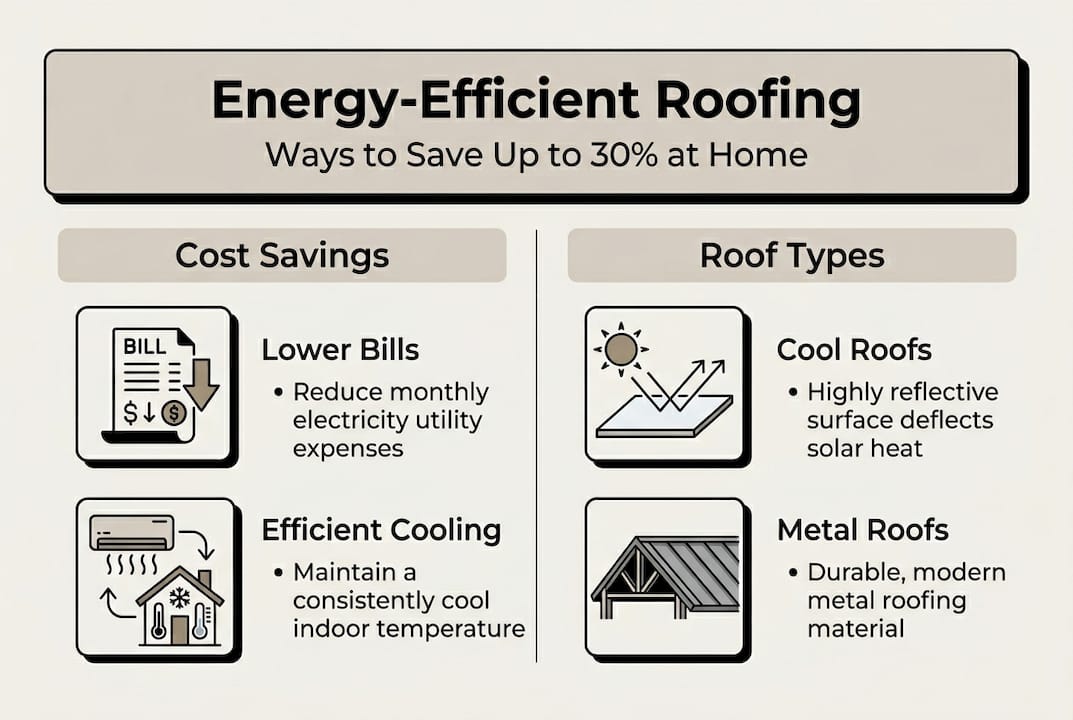
Energy-efficient roofing cuts home costs by up to 30%
Many homeowners believe energy-efficient roofing is prohibitively expensive or too complex to implement. The reality is quite different. Energy-efficient roofing significantly cuts heating and cooling energy use by improving insulation and reflecting heat, delivering substantial cost reductions while improving building efficiency. This guide explains the key benefits of energy-efficient roofing and helps you choose the right options for your home. You’ll discover how these roofing solutions reduce energy bills, protect the environment, and provide long-term value through enhanced durability and performance.
Table of Contents
- Key takeaways
- How energy-efficient roofing reduces your home energy costs
- Environmental benefits of sustainable roofing choices
- Comparing energy-efficient roofing types and their benefits
- Practical steps to maximize benefits of your energy-efficient roof
- Discover expert energy-efficient roofing solutions with Sunflowers Energy
- Frequently asked questions
Key Takeaways
| Point | Details |
|---|---|
| Energy cost savings | Energy efficient roofing reduces cooling costs by 15 to 25 percent in warm climates and heating costs by 10 to 15 percent in cold regions for a combined 20 to 30 percent annual savings. |
| Improved indoor comfort | Enhanced insulation and reflective surfaces create a thermal barrier that keeps conditioned air inside and reduces heat buildup. |
| Environmental impact | Lower energy use cuts greenhouse gas emissions, with about 3 to 5 tons of CO2 saved annually for a typical home. |
| Long lasting durability | Durable roofing materials extend life to 40 to 50 years or more, cutting waste and lowering resource use over time. |
How energy-efficient roofing reduces your home energy costs
Energy-efficient roofing transforms how your home manages temperature. These systems enhance insulation to reduce heating demands in winter and cooling needs in summer. The right roofing materials create a thermal barrier that keeps conditioned air inside your home where it belongs.
Reflective roofing materials play a crucial role in cutting energy costs. Cool roofs with high solar reflectance bounce sunlight away from your home instead of absorbing it. This simple physics principle dramatically lowers air conditioning use during hot months. Some reflective coatings can reduce roof surface temperatures by 50-60 degrees compared to traditional materials.
Proper ventilation works hand in hand with energy-efficient roofing. Ridge vents, soffit vents, and attic fans create airflow that prevents heat buildup. This ventilation system allows hot air to escape naturally, reducing the burden on your cooling system. Without adequate ventilation, even the best roofing materials can’t deliver optimal performance.
The financial impact adds up quickly. Consider these typical savings:
- Cooling costs drop 15-25% with reflective roofing in warm climates
- Heating expenses decrease 10-15% with improved insulation in cold regions
- Combined savings reach 20-30% annually for homes in mixed climates
- Payback periods range from 5-10 years depending on material choice
Pro Tip: Choosing roofing with a higher solar reflectance index (SRI) improves cooling savings significantly. Look for materials with an SRI of 78 or higher for maximum heat reflection. Metal roofs often score above 80, while cool asphalt shingles range from 50-80.
Your local climate determines which features matter most. Hot, sunny regions benefit most from reflective surfaces and light colors. Cold climates prioritize insulation value and heat retention. Mixed climate zones need balanced solutions that perform well year-round. Understanding your specific needs ensures you invest in the right energy-efficient features.
Environmental benefits of sustainable roofing choices
Energy-efficient roofs deliver environmental advantages that extend far beyond your property line. Sustainable roofing can help reduce carbon footprint and supports overall energy sector sustainability goals. When you lower your home’s energy demand, you directly decrease greenhouse gas emissions from power plants.
The math is straightforward. A typical home using 30% less energy for heating and cooling prevents roughly 3-5 tons of CO2 emissions annually. That’s equivalent to taking a car off the road for a year. Multiply this across thousands of homes, and the collective impact becomes substantial.
Long-lasting materials amplify environmental benefits over time. Traditional asphalt shingles last 15-20 years before requiring replacement. Metal roofs and high-quality sustainable options perform well for 40-50 years or longer. This extended lifespan means:
- Less manufacturing waste from replacement materials
- Fewer old roofing materials ending up in landfills
- Reduced transportation emissions from delivery trucks
- Lower resource extraction for raw materials
Green building certifications recognize these advantages. LEED and Energy Star programs award points for energy-efficient roofing choices. These certifications increase property value while demonstrating environmental commitment. Many local governments offer tax incentives or rebates for qualifying roofing upgrades.
Urban heat island effect represents another critical concern. Cities with extensive dark roofing and pavement absorb and retain heat, creating temperatures 5-7 degrees higher than surrounding areas. Cool roofs combat this phenomenon by reflecting sunlight instead of absorbing it. Communities with widespread cool roof adoption experience measurably lower ambient temperatures.
Resource conservation matters too. Sustainable roofing materials often incorporate recycled content or renewable resources. Metal roofs contain 25-95% recycled material and remain fully recyclable at end of life. Some manufacturers use reclaimed wood, recycled rubber, or sustainable clay tiles. These choices reduce demand for virgin materials and support circular economy principles.
Water management improves with certain energy-efficient roofing systems. Cool roofs paired with proper drainage reduce stormwater runoff. Some systems integrate rainwater collection features that decrease municipal water demand. These secondary benefits compound the primary energy savings.
Comparing energy-efficient roofing types and their benefits
Selecting the right energy-efficient roofing requires understanding how different types offer varied benefits including durability, cost-effectiveness, and energy savings. Each material brings unique advantages suited to specific situations and climates.
| Roofing Type | Lifespan | Energy Savings | Initial Cost | Best Climate |
|---|---|---|---|---|
| Metal Roofing | 40-70 years | 25-30% cooling reduction | High ($8-14/sq ft) | All climates, especially hot |
| Cool Roof Coating | 10-20 years | 15-20% cooling reduction | Low ($1-3/sq ft) | Hot, sunny regions |
| Solar Shingles | 25-30 years | 40-70% total energy offset | Very High ($21-25/sq ft) | Sunny areas with high electricity rates |
| Clay/Concrete Tiles | 50-100 years | 20-25% cooling reduction | High ($10-18/sq ft) | Hot, dry climates |
| Asphalt (Cool) | 20-30 years | 10-15% cooling reduction | Moderate ($3-5/sq ft) | Moderate climates |
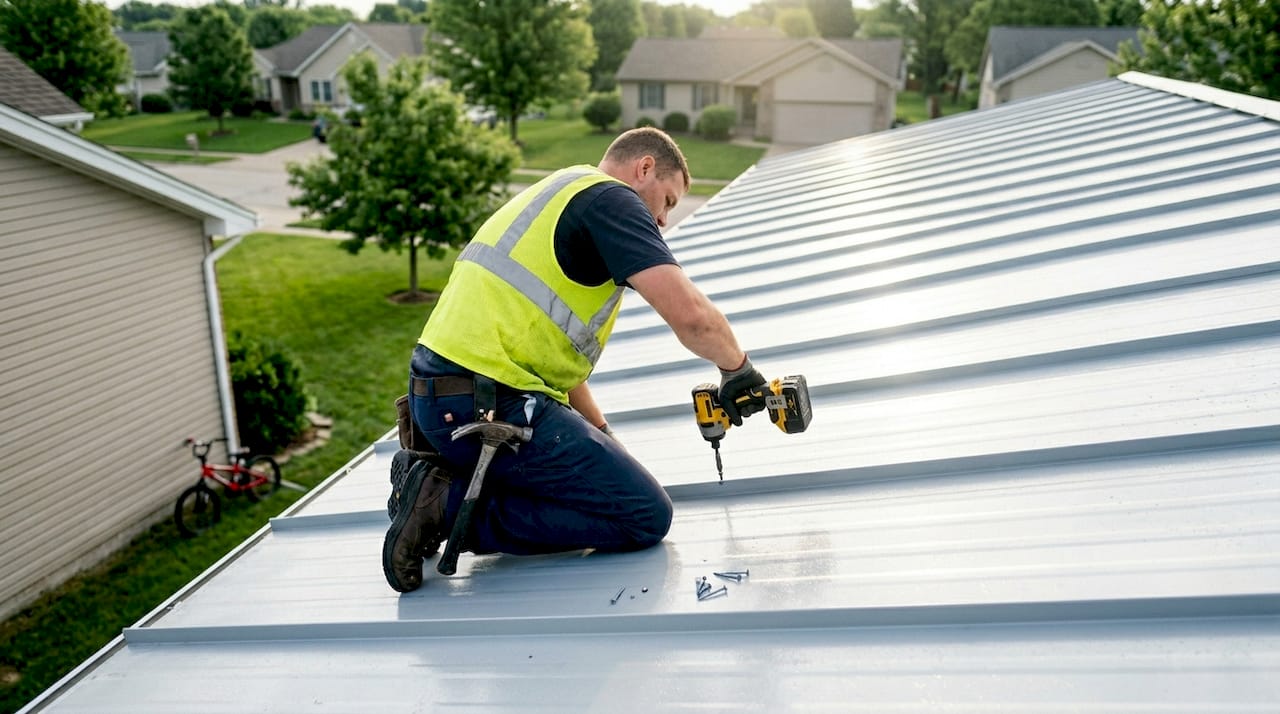
Metal roofs offer exceptional durability and reflectivity. Steel, aluminum, and copper options reflect 60-70% of solar radiation. Standing seam metal roofs create an air gap that enhances insulation. The higher upfront cost pays off through minimal maintenance and extended lifespan. Metal performs well in all climates, handling extreme heat, heavy snow, and high winds equally well.
Cool roofs use reflective coatings or specially designed shingles to bounce sunlight away. These systems reduce heat absorption with materials engineered for high solar reflectance. Cool roof coatings can be applied to existing roofs, making them a cost-effective retrofit option. They work best in consistently warm climates where cooling dominates energy use.
Solar shingles represent the cutting edge of energy-efficient roofing technology. These integrated systems combine roofing protection with electricity generation. While initial costs run high, solar shingles can eliminate or drastically reduce electric bills. They make particular sense in areas with strong solar incentives and high electricity rates.
Pro Tip: Assess your climate zone and roof orientation before selecting roofing type. South-facing roofs in sunny areas maximize solar shingle benefits, while homes in moderate climates might prioritize cool roof coatings for simpler savings.
Follow this selection process:
- Evaluate your home’s needs by reviewing current energy bills and identifying major expense sources
- Compare roofing options based on climate suitability, expected lifespan, and maintenance requirements
- Factor long-term savings by calculating payback periods and total cost of ownership over 20-30 years
Your roof’s pitch, structural capacity, and existing condition influence which options work best. Steep roofs suit metal or tile installations. Flat or low-slope roofs work well with cool coatings or modified bitumen systems. Older homes may need structural reinforcement before installing heavier materials like concrete tiles.
Practical steps to maximize benefits of your energy-efficient roof
Proper installation and maintenance are crucial to realizing full benefits of energy-efficient roofing and solar integration. Even premium materials underperform when installed incorrectly or neglected over time. Taking the right steps ensures your investment delivers maximum returns.
Professional installation makes all the difference. Experienced contractors understand how to maximize insulation values and reflective properties. They ensure proper ventilation integration, correct flashing installation, and appropriate underlayment selection. DIY installation might save money upfront but often costs more through reduced performance and premature failure.
Key installation considerations include:
- Proper attic insulation working in tandem with roofing materials
- Adequate ventilation preventing moisture buildup and heat accumulation
- Quality underlayment providing additional weather protection
- Correct fastener placement preventing leaks and material damage
- Sealed penetrations around vents, chimneys, and skylights
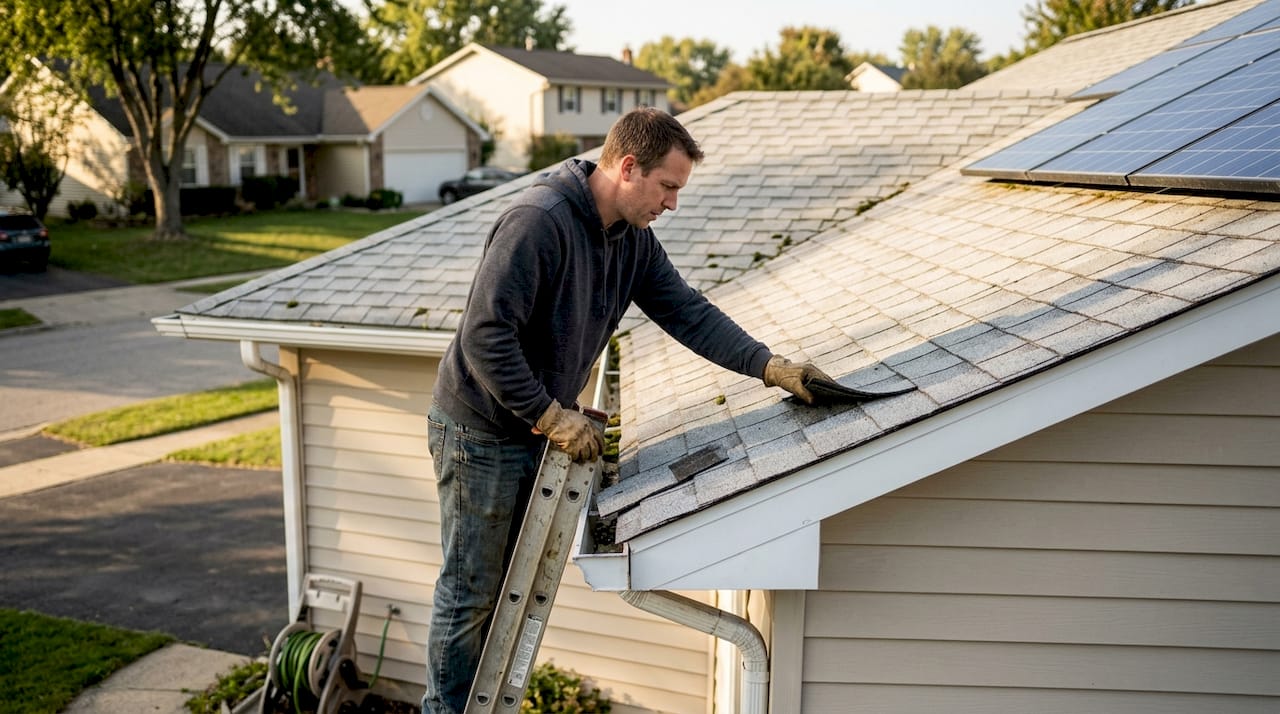
Regular maintenance preserves energy efficiency and extends roof lifespan. Schedule inspections twice yearly, typically in spring and fall. Look for damaged shingles, clogged gutters, debris accumulation, and signs of wear. Small problems caught early prevent expensive repairs later.
Cleaning and upkeep of solar shingles improve energy output significantly. Dust, pollen, and debris block sunlight and reduce electricity generation. Most solar installations benefit from professional cleaning every 6-12 months. In dusty or pollen-heavy areas, more frequent cleaning maintains peak performance.
Consider complementary upgrades that enhance roofing performance. Attic fans improve ventilation and reduce heat buildup. Radiant barriers installed in attics reflect heat away from living spaces. Upgraded insulation fills gaps that allow conditioned air to escape. These relatively inexpensive additions multiply your energy-efficient roofing benefits.
Pro Tip: Schedule seasonal inspections to catch issues early and keep savings high. Fall inspections prepare your roof for winter weather, while spring checks identify damage from snow, ice, and storms. Document findings with photos to track changes over time.
Maintenance tasks you can handle yourself include:
- Clearing gutters and downspouts of leaves and debris
- Trimming overhanging branches that drop debris or damage materials
- Checking for loose or damaged shingles after storms
- Removing moss or algae growth with appropriate cleaning solutions
- Inspecting attic spaces for signs of leaks or inadequate ventilation
Know when to call professionals. Complex repairs, structural concerns, and warranty-protected work require expert attention. Most roofing warranties specify professional installation and maintenance for coverage to remain valid. Annual professional inspections cost $150-300 but prevent problems that could cost thousands to fix.
Document all maintenance and repairs. Keep records of installation dates, warranty information, inspection reports, and service history. This documentation proves valuable when selling your home, filing insurance claims, or troubleshooting performance issues. Many energy-efficient roofing benefits depend on demonstrating proper care over time.
Discover expert energy-efficient roofing solutions with Sunflowers Energy
Ready to transform your home’s energy performance with professional roofing solutions? Sunflowers Energy delivers comprehensive solar and roofing services designed to maximize efficiency and savings. Their expert team guides you through every decision, from material selection to installation and ongoing maintenance.
Whether you’re considering cool roofing, metal systems, or integrated solar solutions, Sunflowers Energy provides tailored recommendations that fit your home’s unique needs and budget. Their professional maintenance programs keep your investment performing at peak levels for decades. Explore their full range of roofing services and discover how energy-efficient upgrades can reduce your costs while protecting the environment. Free onsite inspections and personalized quotes make it easy to start your journey toward a more sustainable, cost-effective home.
Frequently asked questions
How much can I save on energy bills with an energy-efficient roof?
Typical energy bill reductions range from 10% to 30%, depending on roofing type, climate, and your home’s existing efficiency. Homes in hot climates with reflective roofing often see the highest cooling cost savings. Savings increase when you combine quality roofing with proper attic insulation, ventilation, and regular maintenance.
Which roofing materials are best for energy efficiency?
Metal roofing, cool roof coatings, and solar shingles rank among the most energy-efficient options available. Metal roofs reflect heat effectively and last 40-70 years. Cool roof coatings offer affordable retrofits for existing roofs. Solar shingles generate electricity while protecting your home. The best choice depends on your climate, budget, roof structure, and long-term goals.
How do maintenance and installation impact energy efficiency?
Poor installation reduces insulation effectiveness and creates gaps where conditioned air escapes. Professional installation ensures proper ventilation integration and material placement for maximum performance. Regular maintenance keeps roofing materials and solar panels performing optimally by preventing damage, removing debris, and identifying problems early. Neglected roofs lose efficiency and fail prematurely.
Can I combine solar panels with energy-efficient roofing?
Yes, solar panels pair excellently with energy-efficient roofing systems for maximum savings. Cool roofs keep solar panels operating at lower temperatures, improving their electricity generation efficiency. Many homeowners install solar panels during roof replacement to minimize installation costs. Integrated solar shingles combine both functions in a single streamlined system.
Do energy-efficient roofs work in cold climates?
Energy-efficient roofing delivers benefits in cold climates through improved insulation that retains heat. Metal roofs shed snow easily, preventing ice dam formation. Proper attic ventilation prevents moisture problems common in cold weather. While reflective properties matter less in cold regions, insulation value and durability become the primary efficiency factors.
Recommended
- Role of roofing in energy efficiency: reduce costs – Sunflowers Energy LLC A Roofing and Solar Companys
- How roofing boosts energy savings and solar efficiency – Sunflowers Energy LLC A Roofing and Solar Companys
- Sustainable roofing benefits: cut costs, boost value – Sunflowers Energy LLC A Roofing and Solar Companys
- What is a sustainable roof? Cut energy use 20% in 2026 – Sunflowers Energy LLC A Roofing and Solar Companys