
What is solar battery storage: a complete guide for homeowners
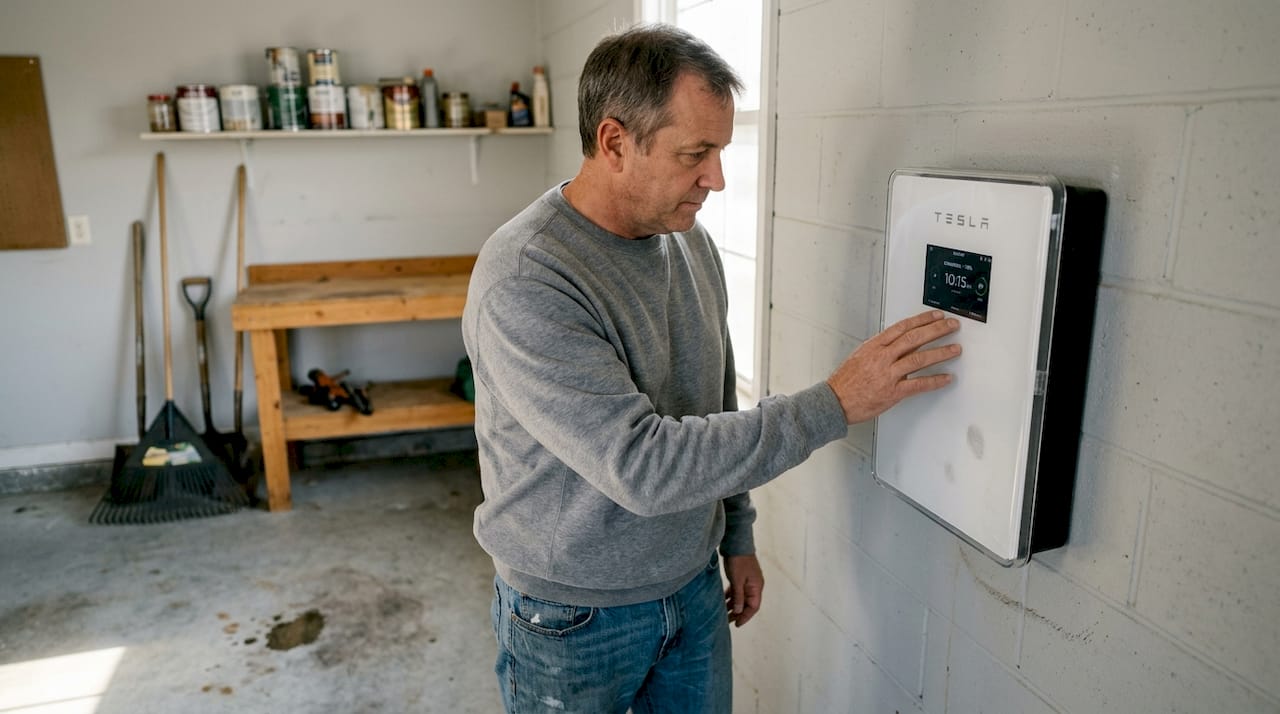
Many homeowners believe installing solar panels alone guarantees energy independence and sustainability. Yet without solar battery storage, excess energy generated during sunny hours flows back to the grid, leaving homes vulnerable during outages and peak demand periods. Solar battery storage captures and stores surplus solar energy for use when the sun isn’t shining, transforming a solar system from a daytime generator into a 24/7 power solution. This guide explains what solar battery storage is, how it works, why it matters for residential and commercial properties, and how to choose, install, and maintain the right system to maximize energy savings and resilience.
Table of Contents
- Key takeaways
- Understanding solar battery storage and how it works
- Types of solar batteries: comparing options for your home or property
- Benefits of solar battery storage for energy savings and sustainability
- Choosing, installing, and maintaining your solar battery system
- Explore top solar solutions and expert guidance at Sunflowers Energy
- Frequently asked questions
Key Takeaways
| Point | Details |
|---|---|
| Store excess solar energy | Solar battery storage captures surplus electricity from panels and saves it for use when sunlight is unavailable. |
| Increases energy independence | Having storage reduces reliance on the grid and shields you from outages and rising utility prices. |
| Proper sizing matters | Size the system based on your actual energy use rather than peak solar production to ensure essential loads stay powered during non sunny periods. |
| Battery chemistries differ | Lithium ion batteries offer high energy density and long life but have higher upfront costs, while lead acid batteries are cheaper initially but have shorter lifespans and more maintenance. |
Understanding solar battery storage and how it works
Solar battery storage systems capture excess electricity generated by solar panels and store it for later use. When your panels produce more energy than your home or property consumes, that surplus charges the battery instead of flowing back to the utility grid. During periods without sunlight, such as nighttime or cloudy weather, the stored energy powers your property, reducing or eliminating the need to draw electricity from the grid. Solar batteries store excess solar energy to provide power during non-sunny periods and outages, creating a self-sufficient energy ecosystem.
The system consists of several key components working together. Battery cells store the electrical energy in chemical form. An inverter converts the direct current (DC) electricity from solar panels and batteries into alternating current (AC) that powers household appliances and systems. A charge controller regulates the flow of electricity to prevent overcharging and extends battery lifespan. A monitoring system tracks energy production, consumption, and storage levels in real time, allowing property owners to optimize usage patterns and identify potential issues before they become problems.
Homeowners and property managers benefit most from solar battery storage in specific scenarios. Properties in areas with frequent power outages gain reliable backup power without noisy, fuel-dependent generators. Buildings with time-of-use electricity rates save money by storing energy during low-rate periods and using it during expensive peak hours. Commercial properties with high daytime energy demands can store midday solar production for evening operations. Residential homes seeking energy independence reduce grid reliance and protect against rising utility costs.
Pro Tip: Size your battery system based on your actual energy consumption patterns rather than maximum solar production. Analyze your utility bills from the past year to identify your average daily usage and peak demand periods, then select a battery capacity that covers your essential loads during typical non-sunny periods.
Types of solar batteries: comparing options for your home or property
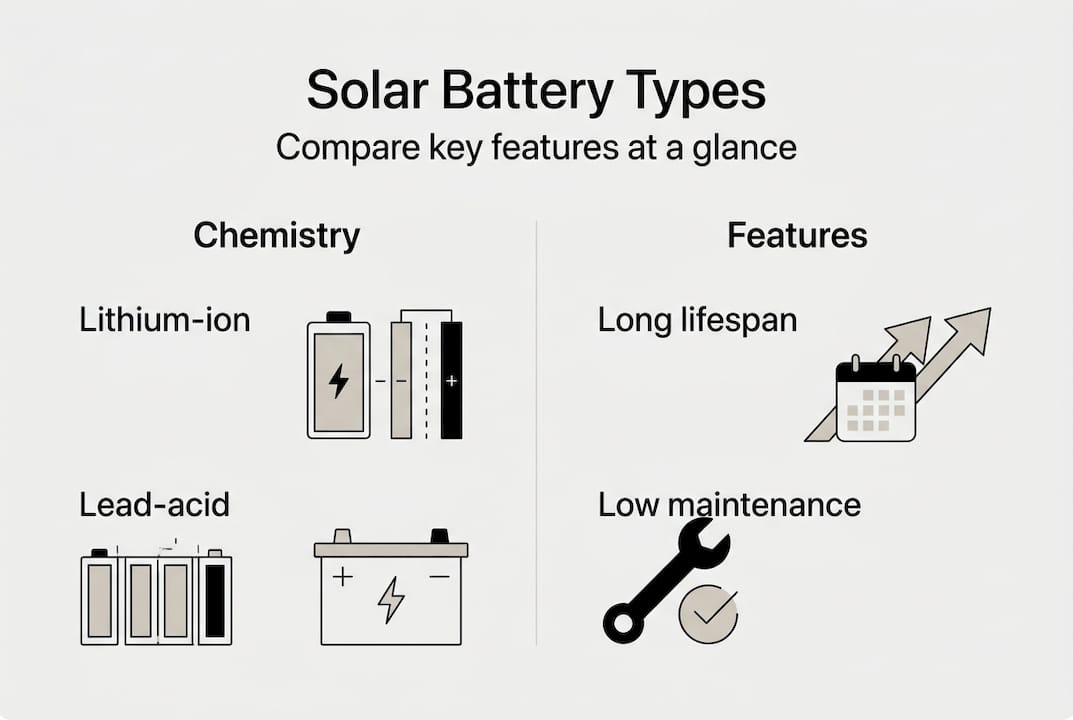
Three main battery chemistries dominate the solar storage market, each offering distinct advantages and tradeoffs. Lithium-ion batteries have become the industry standard for residential and commercial solar basics applications. They deliver high energy density, meaning they store more power in a smaller, lighter package compared to other options. Lithium-ion batteries are widely used for home solar storage due to their efficiency and lifespan benefits, typically lasting 10 to 15 years with proper maintenance. They require minimal upkeep, charge and discharge efficiently, and handle frequent cycling without significant degradation. The primary drawback is higher upfront cost, though prices have declined substantially as production scales up.
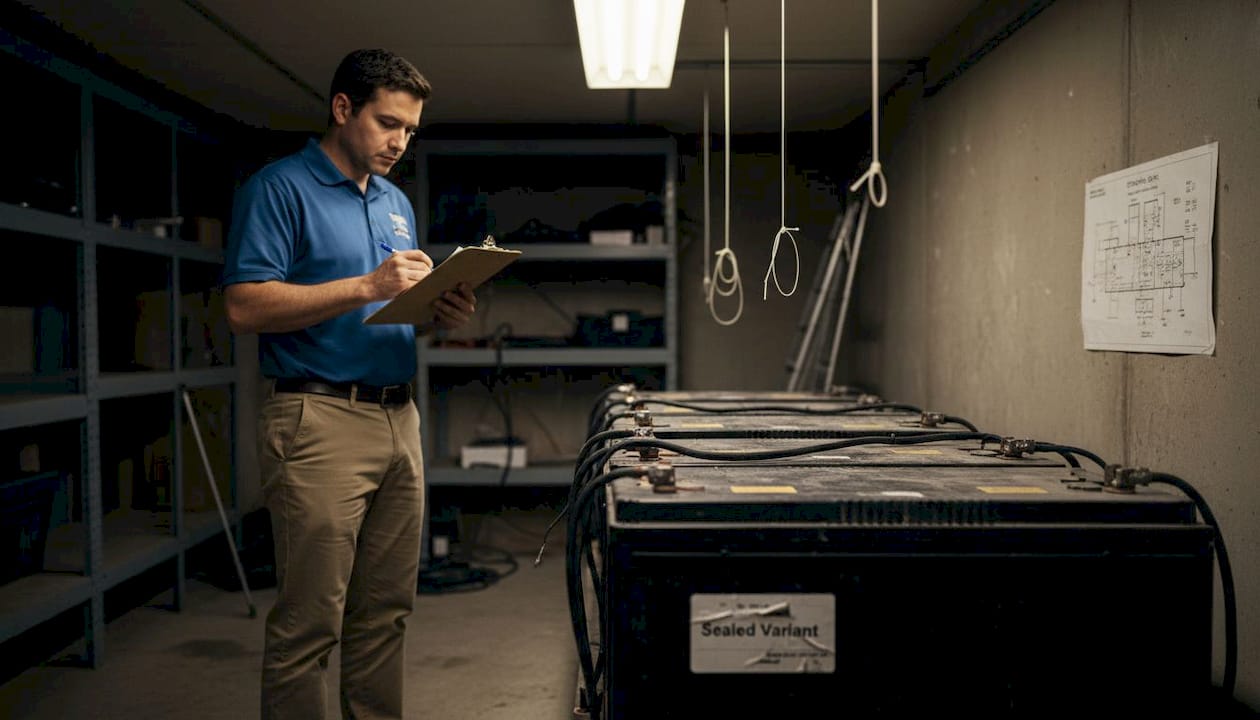
Lead-acid batteries represent the older, more affordable technology. Available in flooded and sealed variants, they cost significantly less initially but require more maintenance and have shorter lifespans, typically 3 to 7 years. Flooded lead-acid batteries need regular water level checks and equalization charging, while sealed versions reduce maintenance demands but still underperform lithium-ion in cycling capability and depth of discharge. They work well for backup power applications where the battery sits idle most of the time, but struggle with daily cycling in active solar storage systems. Their larger size and weight also require more installation space and structural support.
Flow batteries use liquid electrolytes stored in external tanks, offering unique scalability advantages. You can increase storage capacity simply by adding larger tanks without replacing the entire system. They tolerate deep discharges without damage and can last 20 years or more. However, flow batteries remain expensive, complex to install, and less common in residential applications. They make more sense for large commercial properties or utility-scale installations where their longevity and scalability justify the premium cost.
| Battery Type | Lifespan | Depth of Discharge | Maintenance | Best For |
|---|---|---|---|---|
| Lithium-ion | 10-15 years | 80-95% | Minimal | Daily cycling, residential and commercial |
| Lead-acid | 3-7 years | 50-60% | Regular (flooded) to low (sealed) | Backup power, budget-conscious buyers |
| Flow | 20+ years | 100% | Moderate | Large commercial, scalable systems |
Environmental considerations also factor into battery selection. Lithium-ion batteries require mining operations that impact ecosystems, though recycling programs are expanding to recover valuable materials. Lead-acid batteries have well-established recycling infrastructure, with over 95% of lead recycled in developed countries, but lead itself poses environmental and health risks if improperly handled. Flow batteries use less toxic materials but require more complex manufacturing processes. Emerging solid-state and sodium-ion technologies promise safer, more sustainable alternatives, though they remain in early commercialization stages.
Pro Tip: Match battery chemistry to your usage pattern. If you cycle your battery daily, lithium-ion justifies the higher cost through longevity and efficiency. If you need occasional backup power a few times per year, sealed lead-acid offers adequate performance at lower cost.
Benefits of solar battery storage for energy savings and sustainability
Solar battery storage transforms intermittent solar generation into consistent, reliable power by smoothing the mismatch between energy production and consumption. Solar panels generate peak output during midday when many homes use minimal electricity, while demand spikes in the morning and evening when the sun provides less energy. Without storage, this timing mismatch forces homeowners to sell excess daytime power to the grid at low rates and buy expensive evening electricity back. Batteries capture that midday surplus and release it during high-demand periods, maximizing the value of every kilowatt-hour your panels produce.
This load-shifting capability delivers substantial cost savings, particularly in regions with time-of-use rate structures where electricity prices vary by time of day. Combining solar panels with battery storage can cut energy costs by up to 30% by avoiding peak-rate purchases and increasing self-consumption of solar energy. Properties with demand charges, common in commercial billing, reduce expensive peaks by drawing from batteries instead of the grid during high-usage periods. Even in areas with flat-rate electricity, batteries provide value by reducing reliance on grid power, which typically includes transmission fees, distribution charges, and various surcharges that inflate the true cost per kilowatt-hour.
Energy resilience represents another critical benefit. Traditional grid-tied solar systems shut down during outages to protect utility workers from backfeed electricity. Battery systems with backup capability keep essential circuits powered during blackouts, maintaining refrigeration, heating or cooling, lighting, and communication devices. This proves invaluable in regions prone to severe weather, wildfires, or aging grid infrastructure. Medical equipment, home offices, and security systems remain operational, providing peace of mind and avoiding costly disruptions.
Environmental benefits extend beyond the carbon-free solar generation itself. Batteries enable higher renewable energy penetration by storing excess production that would otherwise be curtailed or wasted. They reduce strain on the electrical grid during peak periods, decreasing the need for fossil fuel peaker plants that fire up only during high demand. Property owners minimize their carbon footprint by consuming more of their own clean energy rather than drawing from a grid mix that often includes coal, natural gas, and other non-renewable sources. For solar energy efficiency and sustainability goals, batteries represent the critical link between solar panels and true energy independence.
“Battery storage doesn’t just save money. It transforms how properties interact with energy, creating resilient, sustainable systems that protect against outages, reduce environmental impact, and provide long-term financial returns that compound over decades.”
Choosing, installing, and maintaining your solar battery system
Selecting the right battery system starts with understanding your energy needs and goals. Calculate your average daily electricity consumption in kilowatt-hours by reviewing utility bills or using a home energy monitor. Identify which circuits or loads you want to power during outages, such as refrigerators, heating systems, lighting, and outlets for essential devices. This determines your required battery capacity. Consider whether you prioritize backup power for occasional outages or daily energy cost savings through load shifting, as these goals influence battery size and configuration differently.
Evaluate your solar panel system’s production capacity and available roof or ground space for additional panels if needed. Battery systems work best when paired with sufficient solar generation to charge them fully during sunny periods. If your existing array barely meets daytime needs, adding more panels ensures adequate surplus for storage. Review local utility policies regarding net metering, time-of-use rates, and interconnection requirements, as these factors affect system economics and payback periods. Some utilities offer incentives or rebates for battery installations, while others impose standby charges or unfavorable export rates that make batteries more attractive.
Installation requires professional expertise to ensure safety, performance, and code compliance. Proper installation and ongoing maintenance are essential for long-lasting battery performance. The process typically follows these steps:
- Site assessment: Technicians evaluate electrical panels, available space, ventilation requirements, and structural support for battery weight.
- Permitting: Secure necessary building permits and utility interconnection approvals before installation begins.
- Electrical work: Install disconnect switches, upgrade panels if needed, and run conduit between solar panels, inverters, and battery systems.
- Battery mounting: Position batteries in climate-controlled spaces away from extreme temperatures, securing them to walls or floors per manufacturer specifications.
- System integration: Connect batteries to inverters, configure charge controllers, and program monitoring software to optimize charging and discharging cycles.
- Testing and commissioning: Verify all safety systems function correctly, test backup power transfer, and confirm monitoring dashboards display accurate data.
Safety protocols are non-negotiable. Batteries store significant energy and can pose fire or electrical hazards if improperly installed. Use only certified electricians and installers trained on your specific battery model. Ensure adequate ventilation to prevent heat buildup and gas accumulation. Install fire suppression systems if required by local codes. Never attempt DIY battery installation unless you possess professional electrical qualifications and understand relevant safety standards.
Routine maintenance extends battery life and preserves performance. Check monitoring systems monthly to verify normal operation and identify unusual patterns. Inspect battery enclosures quarterly for signs of corrosion, leaks, or physical damage. Keep batteries within manufacturer-specified temperature ranges, using heating or cooling as needed. Update firmware and software as manufacturers release improvements. For lithium-ion systems, maintenance is minimal beyond these checks. Lead-acid batteries require periodic water level inspection and equalization charging every few months.
Recognize warning signs that indicate professional service is needed. Rapidly declining capacity, unusual noises, error messages on monitoring displays, or physical swelling all warrant immediate attention. Most batteries include warranties covering defects and capacity degradation, typically guaranteeing 70 to 80% capacity retention after 10 years. Document any issues promptly and contact your installer or manufacturer to address problems under warranty coverage.
Pro Tip: Install batteries in conditioned spaces like garages or utility rooms rather than outdoor enclosures when possible. Stable temperatures between 50°F and 80°F maximize battery lifespan and efficiency, preventing the performance degradation that occurs in extreme heat or cold.
Explore top solar solutions and expert guidance at Sunflowers Energy
Ready to transform your property with solar battery storage that delivers real energy independence and savings? Sunflowers Energy specializes in comprehensive solar and battery solutions tailored for homeowners and property managers seeking reliable, sustainable power systems. Our team evaluates your energy needs, recommends optimal battery configurations, and handles every step from permitting through installation and ongoing support. Discover how the best solar energy solutions integrate cutting-edge battery technology with premium solar panels to maximize your investment.
Whether you’re exploring residential solar for the first time or expanding existing commercial systems, we provide expert guidance on solar energy efficiency strategies that reduce costs and environmental impact. Learn about residential solar systems advantages and how battery storage amplifies those benefits. Contact Sunflowers Energy today for a free consultation and discover how solar battery storage transforms your property into a resilient, cost-effective energy hub.
Frequently asked questions
What is solar battery storage and how does it work?
Solar battery storage captures excess electricity generated by solar panels and stores it in rechargeable batteries for later use. When your panels produce more energy than your property consumes, the surplus charges the battery. During nighttime, cloudy weather, or power outages, the stored energy powers your home or building, reducing reliance on the electrical grid and maximizing your solar investment.
How long do solar batteries last?
Lithium-ion solar batteries typically last 10 to 15 years with proper maintenance and usage patterns. Lead-acid batteries have shorter lifespans of 3 to 7 years, while emerging flow battery technology can exceed 20 years. Actual lifespan depends on factors like depth of discharge, cycling frequency, temperature conditions, and maintenance quality. Most manufacturers warranty batteries to retain 70 to 80% capacity after 10 years.
Can solar batteries power my entire home during an outage?
Whether batteries power your entire home during outages depends on battery capacity and your energy consumption. Most residential battery systems provide backup for essential circuits like refrigerators, heating systems, lighting, and outlets rather than powering everything simultaneously. Larger battery banks or multiple units can support whole-home backup, but this increases costs. Prioritizing critical loads ensures longer backup duration and better system economics.
Are solar batteries worth the investment?
Solar batteries deliver value through multiple benefits including reduced electricity bills, backup power during outages, increased energy independence, and environmental sustainability. Properties in areas with time-of-use rates, frequent outages, or high electricity costs see faster payback periods. Federal tax credits and state incentives further improve economics. While upfront costs are significant, batteries typically pay for themselves over their lifespan through energy savings and avoided utility charges.
What size battery system do I need for my property?
Battery system size depends on your daily energy consumption, backup power goals, and solar panel production capacity. Review your utility bills to determine average daily kilowatt-hour usage, then decide whether you want to cover essential loads only or whole-home backup. Most residential systems range from 10 to 20 kilowatt-hours of capacity. A professional energy assessment provides accurate sizing recommendations based on your specific needs and usage patterns.
Recommended
- Solar Energy Terminology Guide for Homeowners (2026) – Sunflowers Energy LLC A Roofing and Solar Companys
- Solar Power for Beginners: Savings and Sustainability – Sunflowers Energy LLC A Roofing and Solar Companys
- Master the Solar Energy Savings Workflow for Your Home – Sunflowers Energy LLC A Roofing and Solar Companys
- Solar Installation Steps: Maximizing Home Efficiency – Sunflowers Energy LLC A Roofing and Solar Companys