
Why replace old roofing? Boost efficiency and solar potential
Most homeowners assume their roof is fine as long as it isn’t actively leaking. That assumption is costing them money every single month. An aging roof quietly drains your energy budget, puts your home’s structure at risk, and can block you from getting the most out of a solar installation. Whether you’re planning to add solar panels or simply want a safer, more efficient home, understanding when and why to replace old roofing is one of the smartest decisions you can make as a homeowner.
Table of Contents
- Recognizing the hidden risks of old roofing
- How new roofing improves energy efficiency and comfort
- Roof replacement: Your foundation for solar power
- Sustainability and long-term value: The big picture of roof replacement
- Timing, cost, and decision checklist for homeowners
- Plan your next step with expert roofing and solar guidance
- Frequently asked questions
Key Takeaways
| Point | Details |
|---|---|
| Prevent hidden damage | Replacing old roofing avoids water leaks, mold growth, and costly structural repairs. |
| Boost energy and cost savings | Modern roofing materials can cut home energy bills by up to 40% through better insulation and efficiency. |
| Prepare for solar integration | A new, durable roof is essential for maximizing solar panel performance and protecting your investment. |
| Improve home value | Upgrading your roof increases curb appeal, home value, and long-term sustainability. |
| Act early for maximum benefits | Timely roof replacement lets you align with solar projects and access the latest efficiency improvements. |
Recognizing the hidden risks of old roofing
With the common replacement myths out of the way, let’s look at the invisible risks an aged roof poses. Most people wait for a visible leak before calling a roofer. By then, the damage is often far more serious than a simple patch can fix.
Shingles break down gradually. You’ll notice granule loss, curling, cracking long before a leak appears. These are not cosmetic issues. They signal that your roof’s protective layer is failing and water is finding its way in through microscopic gaps.
Once moisture gets under your shingles, the consequences escalate fast:
- Mold growth inside your attic and walls, which affects indoor air quality
- Structural rot in your roof deck and rafters, weakening the entire frame
- Sagging and eventual collapse if water intrusion goes unaddressed for years
- Skyrocketing repair costs as damage spreads to insulation, drywall, and electrical systems
As the experts at Kimberlin Roofing put it, water intrusion leads to mold, rot, sagging, and collapse when a failing roof is left in place too long. The longer you wait, the more expensive and disruptive the fix becomes.
Remember: A roof that looks okay from the street can be silently failing at the seams, valleys, and flashings where water loves to sneak in.
Understanding your roofing system basics helps you spot these warning signs early and act before minor wear becomes a major structural problem.
How new roofing improves energy efficiency and comfort
Beyond hidden hazards, new roofing has a direct impact on your home’s efficiency and wallet. If your energy bills feel high no matter how much you adjust the thermostat, your roof may be the culprit.

Modern roofing materials, especially cool and reflective options, are engineered to bounce solar heat away from your home instead of absorbing it. The EPA confirms that cool roofs reduce cooling energy use by 11 to 27% and lower indoor temperatures by 1.2 to 3.3 degrees Celsius compared to standard materials. That’s a meaningful difference you’ll feel every summer.
| Roofing type | Estimated annual savings | Cooling reduction |
|---|---|---|
| Standard asphalt shingles | Minimal | Baseline |
| Reflective/cool shingles | $245 per year | Up to 27% |
| Metal roofing with coating | $300 to $500 per year | Up to 40% |
| Combined roof and solar upgrade | Up to $1,680 per year | Significant |
Stat to know: Homeowners who pair a new energy-efficient roof with other upgrades can cut total energy bills by 40%, with payback on cool roofing materials typically achieved in just 4 to 7 years.
The savings are real and measurable. Explore how roofing and energy savings work together, and review the full range of energy-efficient roofing benefits to see which materials make the most sense for your climate and budget.
Roof replacement: Your foundation for solar power
Many homeowners see solar as a reason to delay roof replacement. Here’s why that logic backfires. Installing solar panels on an aging roof is one of the most expensive mistakes you can make in home improvement.
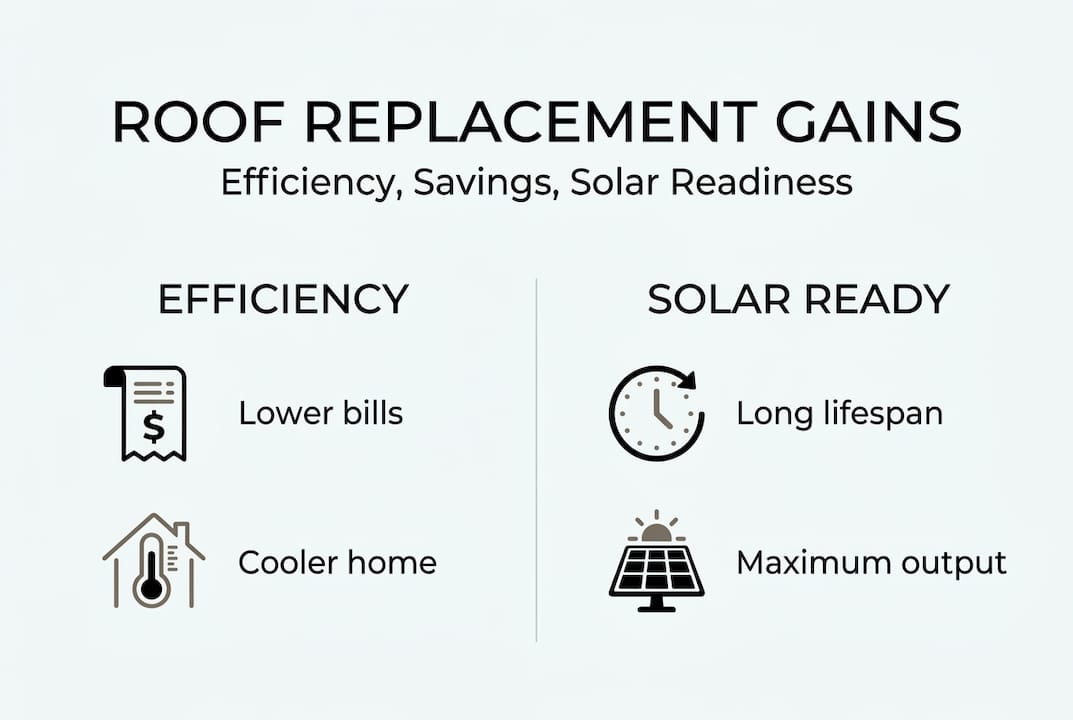
Solar panel systems are designed to last 25 to 30 years. If your roof has fewer than 10 to 15 years of life remaining, replacement is required before solar to protect your warranty and ensure the structure can support the added load. Removing and reinstalling panels mid-system life costs thousands of dollars in labor alone.
Here’s a quick comparison of roofing materials and their solar compatibility:
| Roofing material | Lifespan | Solar panel compatibility |
|---|---|---|
| Standard asphalt shingles | 20 to 25 years | Moderate, may need replacement |
| Architectural asphalt shingles | 25 to 30 years | Good, aligns with solar lifespan |
| Metal roofing | 40 to 70 years | Excellent, outlasts solar system |
| Concrete or clay tile | 50+ years | Excellent, future-proof choice |
Pro Tip: If you’re planning a solar installation within the next 3 to 5 years, replace your roof now with a durable material like metal or architectural shingles. You’ll avoid paying for panel removal later and protect your solar warranty from day one.
Key reasons to replace your roof before going solar:
- Warranty protection: Most solar installers require a structurally sound roof
- Lifespan alignment: Match your roof and solar system so they age together
- Structural integrity: New roofing handles the weight and penetrations cleanly
- Cost efficiency: Bundling both projects saves on labor and permits
Learn more about roofing and solar synergy, get guidance on choosing solar roofing, and review realistic roof and solar upgrade costs before you commit to a plan.
Sustainability and long-term value: The big picture of roof replacement
Thinking even further ahead, see how roof replacement integrates with your long-term financial and environmental goals. A new roof isn’t just a repair. It’s an investment that pays dividends in home value, comfort, and environmental impact for decades.
Here’s how a modern roof upgrade supports your bigger goals:
- Increased home value: Energy-efficient roofing and solar integration are among the top features buyers look for in 2026.
- Lower emissions: Reducing your cooling load and generating clean energy cuts your household carbon footprint significantly.
- Stormwater management: Green and cool roof systems reduce runoff, which protects your foundation and local waterways. Research on green roof cost-benefits shows measurable returns on both energy and stormwater savings.
- Net-zero energy living: The Department of Energy confirms that a new energy-efficient roof paired with solar creates a high-performance home capable of achieving zero net energy consumption.
The bottom line: Homeowners who invest in sustainable roofing and solar together don’t just save money. They build resilient, future-ready homes that hold their value through changing energy markets and climate conditions.
Discover the full scope of sustainable roofing options, understand solar roofing advantages, and see how roofing for sustainability fits into a broader home improvement strategy.
Timing, cost, and decision checklist for homeowners
Ready to take action? Here’s how to know when and how to replace your roof for maximum advantage. The decision doesn’t have to be overwhelming if you follow a clear process.
Start with a self-assessment using this numbered checklist:
- Check your roof’s age. If it’s over 20 years old, schedule a professional inspection immediately.
- Look for visible wear. Curling shingles, missing granules, and sagging areas are red flags.
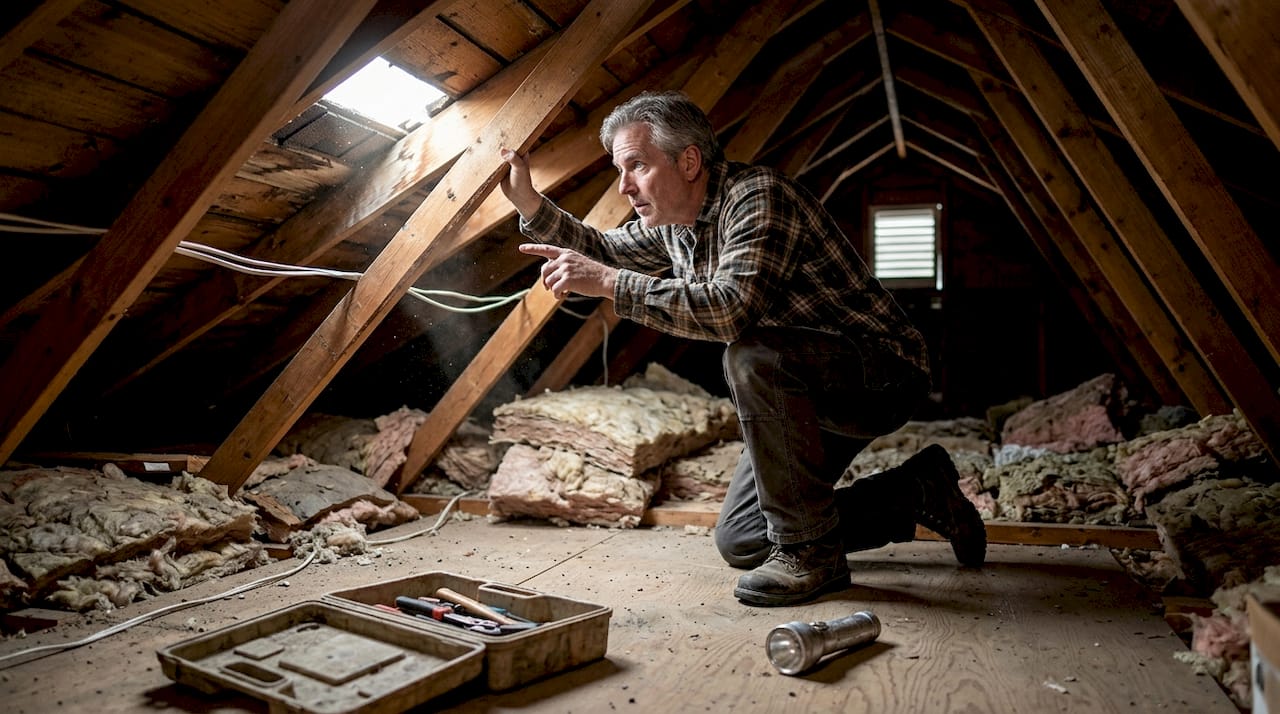
- Inspect your attic. Daylight coming through, damp insulation, or dark stains signal active water intrusion.
- Estimate remaining life. Experts recommend inspecting for less than 10 years of remaining life before committing to solar. Partial replacement is risky and often voids solar warranties.
- Get a professional quote. Full replacement costs vary by material and region, but budgeting $8,000 to $20,000 for a standard home is a reasonable starting range in 2026.
Pro Tip: Never do a partial re-roof just to save money before a solar installation. Mixing old and new shingles creates uneven surfaces that complicate panel mounting and can void both your roofing and solar warranties.
For detailed pricing, visit our guide on roof replacement costs. If you want to optimize your material choices from the ground up, our breakdown of best underlayments for asphalt roofs is a great place to start.
Plan your next step with expert roofing and solar guidance
You now have a clear picture of why old roofing is a liability and how a timely replacement sets you up for energy savings, solar success, and long-term home value. The next step is getting expert eyes on your specific situation.
At Sunflowers Energy, we specialize in combined roofing and solar upgrades that are designed to work together from day one. Our team offers a free roof inspection so you can understand exactly where your roof stands before making any decisions. From there, we’ll walk you through your solar system options and show you how to maximize energy savings with a plan built around your home, your budget, and your goals. Contact us today to get started.
Frequently asked questions
How do I know if my roof needs to be replaced before installing solar panels?
If your existing roof has less than 10 to 15 years of life remaining, replacement is strongly recommended before adding solar to protect warranties and align system lifespans.
Does replacing an old roof really save on energy bills?
Yes. New reflective or cool roofs reduce annual cooling costs by up to 27%, with typical homeowners saving between $245 and $1,680 per year depending on their climate and upgrade choices.
Will solar panels protect my old roof and extend its life?
Solar panels shade the areas they cover, but they don’t protect the seams, valleys, or penetrations where leaks most commonly start. An old roof under solar panels can still fail.
What roofing materials last longest with solar panels?
Metal and tile roofing typically last 40 to 50 or more years, meaning they can outlast most solar systems and eliminate the need for mid-life panel removal.
Are there sustainable options for replacing an old roof?
Absolutely. Energy-efficient and green roofing systems reduce emissions, boost home value, and when paired with solar, support net-zero energy living for decades to come.
Recommended
- How roofing boosts energy savings and solar efficiency – Sunflowers Energy LLC A Roofing and Solar Companys
- Role of roofing in sustainability: energy savings in 2026 – Sunflowers Energy LLC A Roofing and Solar Companys
- Role of roofing in energy efficiency: reduce costs – Sunflowers Energy LLC A Roofing and Solar Companys
- Sustainable roofing benefits: cut costs, boost value – Sunflowers Energy LLC A Roofing and Solar Companys

One Response