Top ways to improve home sustainability for lasting savings
TL;DR:
- Prioritize air sealing and insulation before installing solar panels or HVAC upgrades.
- Modern heat pumps offer substantial savings and work well in cold climates with proper sizing.
- Targeted, sequenced home improvements deliver measurable sustainability benefits without a full retrofit.
Choosing the right eco-friendly upgrades for your home can feel overwhelming. Should you start with solar panels, swap out your furnace, or replace every window? The options seem endless, and the costs add up fast. The good news is that a clear, sequenced strategy makes all the difference. This article walks you through the most proven, cost-effective improvements available in 2026, ranked by impact and return on investment. You’ll learn which upgrades to prioritize first, how each one compounds the next, and what real savings look like when you approach home sustainability the smart way.
Table of Contents
- Set the foundation: Air sealing and insulation upgrades
- Embrace efficient heating and cooling: Heat pumps and smart systems
- Produce your own energy: Solar panels for maximum impact
- Supplemental upgrades: Water heating, windows, and sustainable materials
- Our take: Skip the all-or-nothing mindset for real sustainability progress
- Connect with leading solutions for your home’s sustainability journey
- Frequently asked questions
Key Takeaways
| Point | Details |
|---|---|
| Start with insulation | Upgrading air sealing and insulation delivers the biggest energy and comfort win for any budget. |
| Add efficient HVAC | Heat pumps and smart systems cut heating and cooling costs 30–50% when paired with insulation. |
| Go solar wisely | Solar panels paired with efficient upgrades can pay for themselves in about five years. |
| Layer on low-cost upgrades | Simple changes like LEDs and smart thermostats multiply sustainability benefits. |
| All-or-nothing not required | Targeted improvements beat chasing perfection—substantial sustainability gains are within reach. |
Set the foundation: Air sealing and insulation upgrades
Before you invest in solar panels or a new HVAC system, your home needs a solid foundation. That means sealing air leaks and upgrading insulation. This “reduce then produce” approach ensures that every dollar you spend on high-tech upgrades actually delivers results.
Why does this matter so much? Because a leaky, poorly insulated home wastes energy no matter how efficient your equipment is. Think of it like filling a bucket with holes. High-performing homes combine air-tightness, insulation, and on-site solar to achieve net-zero energy, costing 5 to 10% more upfront but delivering lower lifetime ownership costs. That upfront premium pays for itself many times over.
The most common problem areas in typical homes include:
- Attics and attic hatches: Heat rises, and an under-insulated attic is one of the biggest sources of energy loss.
- Basement rim joists: These small framing members where your foundation meets the floor system are notorious for drafts.
- Ductwork: Leaky ducts can waste 20 to 30% of conditioned air before it ever reaches your living space.
- Electrical outlets and plumbing penetrations: Tiny gaps add up to significant air infiltration over time.
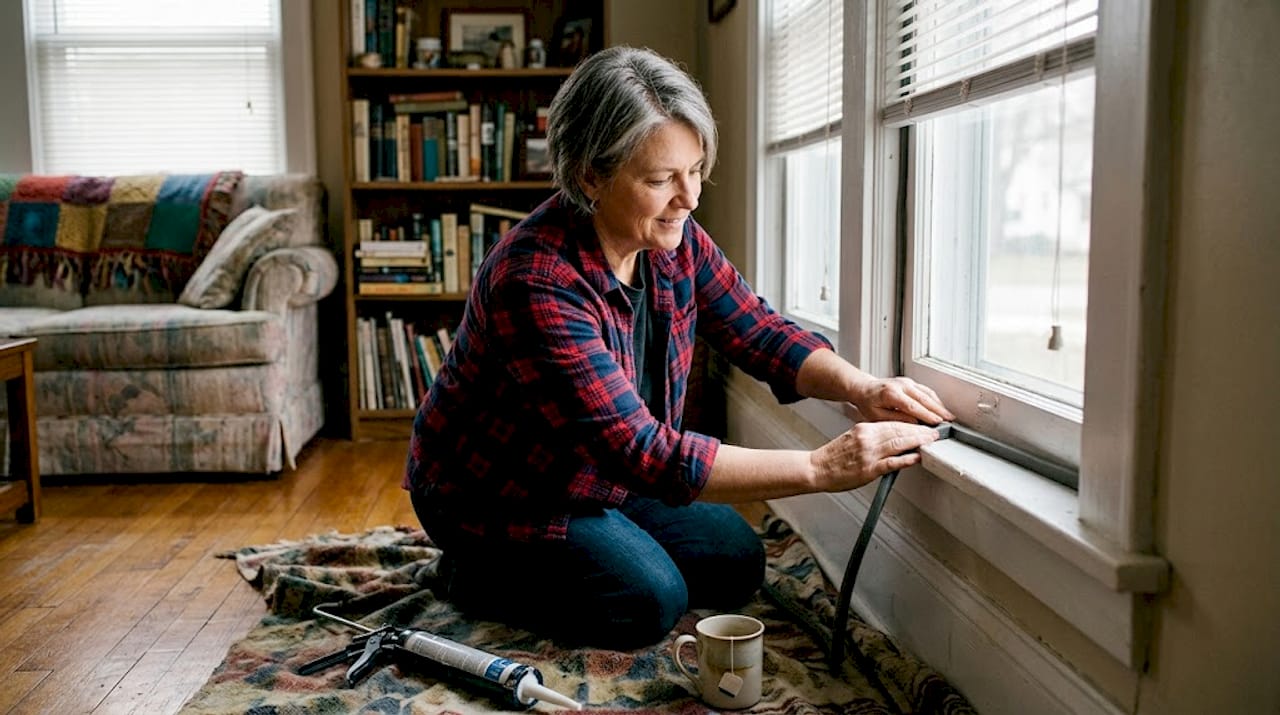
- Windows and door frames: Weatherstripping degrades and gaps form, especially in older homes.
One often-overlooked fact: insulation amplifies heat pump efficiency by 15% or more, while a poor building envelope wastes the gains from any upgrade you install. Skipping envelope improvements before adding solar or a heat pump is one of the costliest mistakes homeowners make.
When you start improving home energy efficiency, a professional energy audit is the smartest first move. Auditors use blower door tests and thermal imaging to pinpoint exactly where your home loses conditioned air. You can also follow EPA recommendations for reducing your home’s environmental impact through targeted efficiency measures. Don’t overlook roofing’s impact on energy savings either, since a well-maintained, properly insulated roof is a core part of your thermal envelope.
“A well-sealed, well-insulated home is the single most reliable foundation for any sustainable upgrade strategy. Everything else builds on it.”
Pro Tip: Before scheduling any HVAC or solar quote, walk your home on a cold or windy day and hold your hand near outlets, window frames, and baseboards. Feeling a draft means you have air sealing work to do first.
Embrace efficient heating and cooling: Heat pumps and smart systems
Once your home envelope is set, your next best investment is smarter, more efficient heating and cooling. Modern heat pumps are the standout upgrade here, and the savings data is hard to ignore.
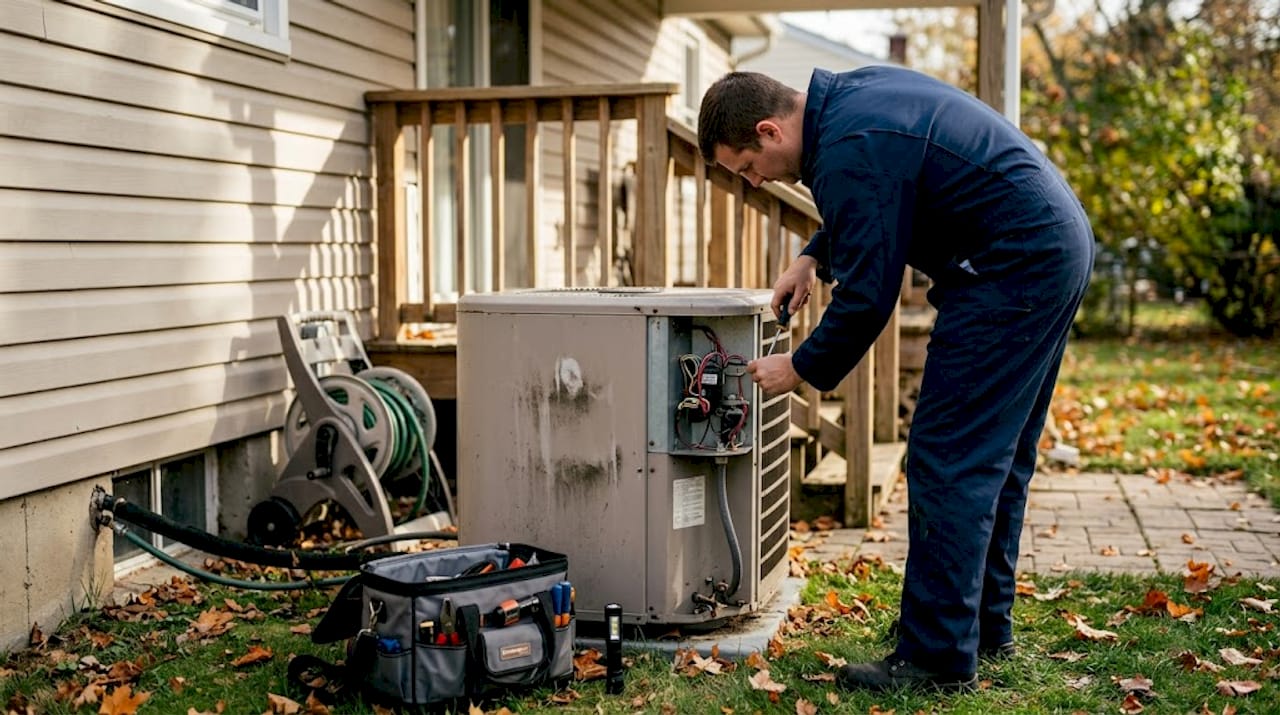
A heat pump moves heat rather than generating it, making it far more efficient than gas furnaces or electric resistance heaters. Heat pumps deliver 30 to 50% savings on heating and cooling costs compared to traditional systems, with a return on investment of four to seven years when paired with good insulation. That translates to real money back in your pocket every single month.
Here’s a quick comparison of common heating systems:
| System type | Efficiency rating | Avg. annual savings | Best for |
|---|---|---|---|
| Gas furnace | 80 to 98% AFUE | Baseline | Existing gas homes |
| Electric resistance | 100% efficient | Low savings | Mild climates only |
| Standard heat pump | 200 to 300% COP | Moderate | Moderate climates |
| Cold-climate heat pump | 200 to 300% COP at low temps | 30 to 50% vs. gas | All U.S. climates |
Cold-climate models are a game-changer. Modern variable-speed heat pumps maintain strong efficiency down to minus 13°F, making them viable across virtually every region of the country.
Here’s how to choose and install the right system:
- Get your insulation in order first. Since insulation boosts heat pump performance by 15% or more, this step is non-negotiable.
- Size the unit correctly. Oversized heat pumps short-cycle, reducing efficiency and lifespan.
- Inspect your ductwork. Leaky ducts undercut performance significantly.
- Choose a cold-climate model if your winters regularly drop below 20°F.
- Add a smart thermostat. Programmable scheduling can cut an additional 10 to 15% from your energy bill.
Common pitfalls to avoid include installing a heat pump in a home with poor insulation, neglecting duct sealing, or choosing an undersized unit to save money upfront. Explore proven energy cost reduction strategies and pair them with an energy savings optimization plan to maximize your results.
Pro Tip: Ask your installer for a Manual J load calculation before any equipment is selected. This calculation ensures your new heat pump is sized precisely for your home’s actual heating and cooling needs.
Produce your own energy: Solar panels for maximum impact
After cutting demand and updating your HVAC, you’re primed to add solar for sustainability and long-term savings. At this stage, your home uses less energy overall, which means you need fewer panels to cover your needs. That directly reduces your installation cost.
The financial case for residential solar is strong. A typical installation of 17 panels costs around $22,000 before incentives, dropping to roughly $10,000 net after the federal tax credit. Solar panels pay back in five or more years, generating about $1,829 per year in savings while covering approximately 70% of a household’s energy use. Over a 25-year panel lifespan, that’s a significant return.
Key stats at a glance:
| Metric | Typical value |
|---|---|
| Average panels needed | 17 panels |
| Gross installation cost | ~$22,000 |
| Net cost after tax credit | ~$10,000 |
| Annual energy savings | ~$1,829/year |
| Payback period | 5 to 7 years |
| Household energy offset | ~70% |
Not every home is equally solar-ready. Factors that can limit your results include:
- Roof shading: Trees or neighboring structures blocking sunlight reduce output significantly.
- Roof age and condition: Panels last 25 to 30 years. Installing them on a roof that needs replacement in five years means costly removal and reinstallation.
- Outdated electrical panels: Older 100-amp service panels often need upgrading to support a solar system.
- Roof orientation: South-facing roofs in the Northern Hemisphere produce the most energy.
The best roof types for solar panels include asphalt shingle, standing seam metal, and concrete tile. All offer durable mounting surfaces. Learn more about why solar panels cut bills and boost home value, explore the broader role of solar panels in modern homes, and use a detailed solar energy efficiency guide to plan your system size accurately.
Maintenance is minimal but important. Clean panels twice a year, monitor your system’s output monthly, and schedule a professional inspection every three to five years.
Supplemental upgrades: Water heating, windows, and sustainable materials
With the big wins covered, round out your home’s sustainability profile with supporting eco-upgrades. These additions may be smaller individually, but together they push your home’s efficiency to a new level.
Heat pump water heaters are one of the highest-impact supplemental upgrades available. They use the same heat-transfer technology as space heating heat pumps, consuming two to three times less electricity than standard electric water heaters. The average ROI is just four years, making them one of the fastest-payback appliances you can install. They also reduce your home’s carbon footprint substantially.
Efficient windows and doors improve comfort and reduce drafts. Double or triple-pane windows with low-emissivity (low-E) coatings keep heat in during winter and block solar gain in summer. New exterior doors with proper weatherstripping seal the gaps that older doors leave behind.
Eco-friendly building materials matter more than most homeowners realize. When you’re replacing siding, decking, or roofing, choosing recycled content, locally sourced, or long-lasting materials reduces both your environmental footprint and long-term maintenance costs. For roofing and solar strategies that work together, explore roofing and solar strategies that optimize both systems.
Here are the easiest low-cost upgrades to finish the job:
- Switch to LED lighting throughout your home. LEDs use up to 75% less energy than incandescent bulbs.
- Install a smart thermostat to automate temperature schedules and reduce waste.
- Add low-flow faucets and showerheads to cut water heating energy by 10 to 15%.
- Use smart power strips to eliminate phantom loads from electronics and appliances.
- Seal and insulate your water heater pipes to reduce standby heat loss.
These steps are affordable, quick to install, and compound the savings from your larger upgrades. To maximize home savings across every system, treat these finishing touches as essential parts of your overall plan, not optional extras.
Our take: Skip the all-or-nothing mindset for real sustainability progress
Here’s something the sustainability industry doesn’t say loudly enough: you don’t need a perfect, fully integrated deep energy retrofit to make a real difference. Most homeowners who wait for the “right time” to do everything at once end up doing nothing.
Deep energy retrofits are genuinely challenging, often running $50,000 or more and complicated by issues like asbestos siding, structural overhangs, and permitting hurdles. Experts actively debate whether a comprehensive gut-rehab or a series of targeted upgrades delivers better real-world results for most homeowners.
Our experience tells us that targeted, sequenced improvements win for the vast majority of households. Seal the air leaks. Add insulation. Upgrade your HVAC. Go solar when the roof and budget are ready. Each step builds on the last, and each one delivers measurable savings immediately. Explore ways to reduce energy costs that fit your timeline and budget. Progress beats perfection every time.
Connect with leading solutions for your home’s sustainability journey
You now have a clear roadmap for improving your home’s sustainability from the foundation up. Putting that plan into action is where the right partner makes all the difference.
At Sunflowers Energy, we specialize in solar-driven sustainability solutions that are designed to work with your home’s specific needs. Whether you’re ready to install premium solar panels, need a roofing assessment, or want to understand your options, our team is here to guide you. Brush up on the essentials with our solar energy terminology guide and then connect with Sunflowers Energy for a free onsite inspection and personalized quote. Let’s power your home from the top down.
Frequently asked questions
What is the best first step to improve home sustainability?
Air sealing and insulation upgrades should always be your top priority. High-performing homes combine air-tightness and insulation to achieve the greatest energy savings before any other upgrade is added.
How long does it take for solar panels to pay for themselves?
Solar panels typically pay for themselves in five to seven years depending on your roof, energy use, and local incentives. Solar panels average $1,829/year in savings with a payback period starting at five years.
Are heat pumps effective in cold climates?
Yes, modern cold-climate heat pumps maintain strong efficiency in temperatures as low as minus 13°F. Variable-speed cold-climate models are now viable across virtually every region of the United States.
Do I need a full deep energy retrofit to see big sustainability gains?
No, targeted improvements to insulation, HVAC, and solar can yield major benefits without a complete overhaul. Experts confirm that partial, well-sequenced upgrades are often more practical and deliver strong results for most homeowners.
Recommended
- How to improve home energy efficiency: steps for savings – Sunflowers Energy LLC A Roofing and Solar Companys
- 10 Proven Ways to Reduce Energy Costs with Solar & Roofing – Sunflowers Energy LLC A Roofing and Solar Companys
- Energy savings optimization: complete guide saves 30% yearly – Sunflowers Energy LLC A Roofing and Solar Companys
- Improve building energy savings: roofing and solar strategies – Sunflowers Energy LLC A Roofing and Solar Companys
- Master Eco-Conscious Coffee Making Workflow for Sustainability – EcoVibe Roast
https://shorturl.fm/N7GUu