
TPO (thermoplastic polyolefin) is one of the most popular single-ply membrane options for flat and low-slope commercial roofs, and for good reason. It’s lightweight, energy-efficient, and cost-effective. But before you commit to any roofing system, you need a straight answer to a practical question: how long does TPO roofing last? The short answer is 20 to 30 years under the right conditions, but the real answer depends on several factors that are entirely within your control.
Installation quality, local climate, membrane thickness, and how consistently you maintain the roof all play a direct role in whether your TPO system hits that upper range or falls short. A poorly installed TPO roof can start failing in under a decade, while a well-installed and properly maintained one can protect your building for decades. At Sunflowers Energy LLC, we install commercial TPO roofing systems and see firsthand how these variables affect long-term roof performance for business owners across our service area.
This article breaks down the expected lifespan of TPO roofing, the specific factors that shorten or extend it, and the maintenance steps that keep your roof in solid shape year after year. Whether you’re weighing TPO against other commercial roofing options or trying to figure out if your current TPO roof is nearing the end of its life, you’ll walk away with clear, practical information to guide your next move.
What is the typical lifespan of TPO roofing?
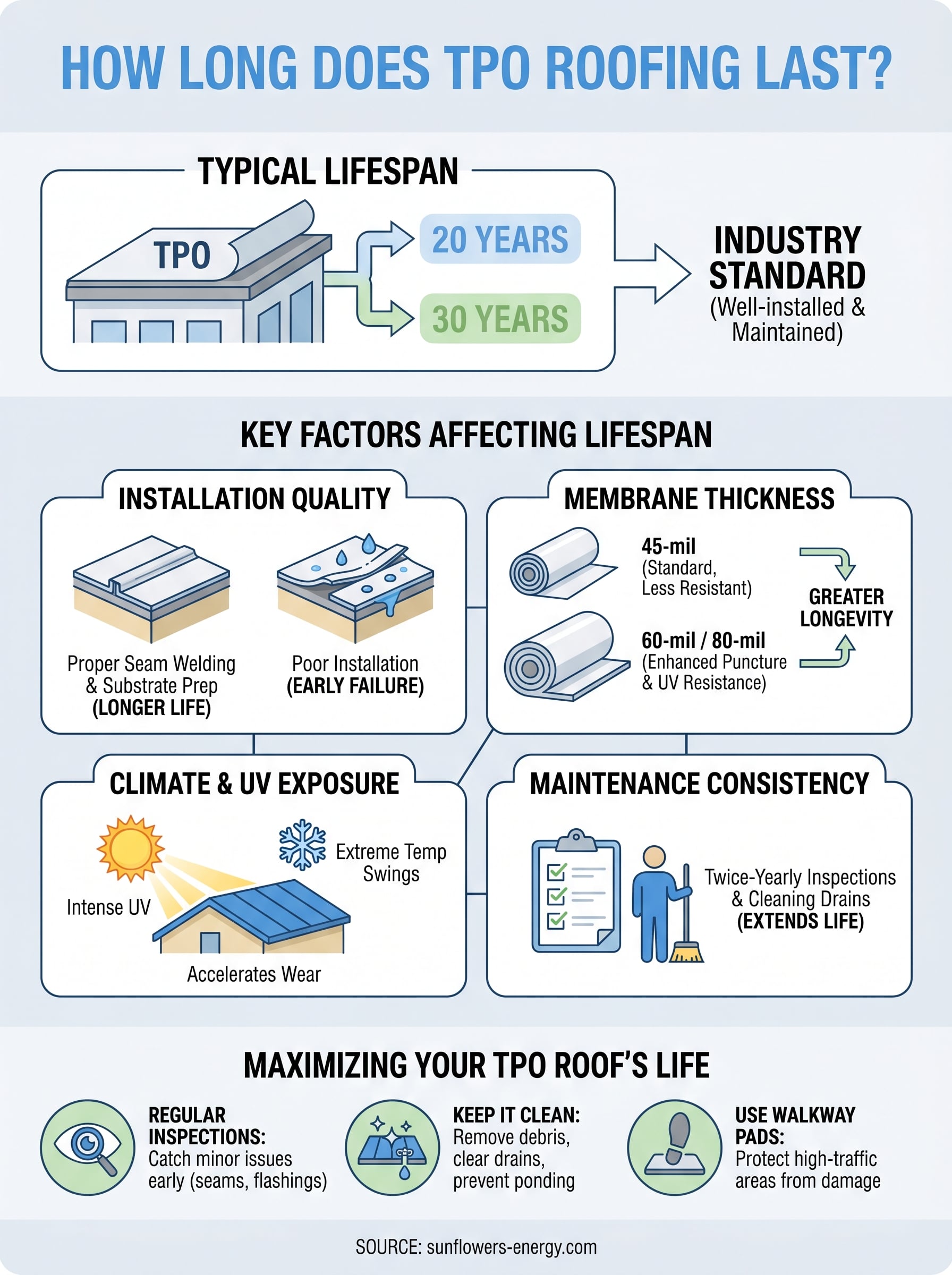
Most TPO roofing systems last between 20 and 30 years when properly installed and maintained. That range is the industry standard cited by contractors and roofing manufacturers, but it is not a flat guarantee. The actual number your roof reaches depends on decisions made at the time of installation, the thickness of the membrane you select, and how consistently you follow through with routine maintenance and inspections over the years. Understanding where that benchmark comes from helps you set realistic expectations and make smarter decisions for your building.
The 20-30 year benchmark explained
When people research how long does TPO roofing last, the 20-30 year figure reflects performance data from well-installed systems using quality materials in typical commercial environments. A standard 45-mil membrane sits at the lower end of that range, while thicker membranes at 60-mil or 80-mil push the roof toward the higher end because they offer greater resistance to punctures, UV degradation, and wear from foot traffic or debris. The difference in upfront cost between membrane thicknesses is relatively small compared to the years of additional service life you get in return.
Choosing a 60-mil or 80-mil membrane over a standard 45-mil option is one of the most cost-effective decisions you can make to extend your TPO roof’s service life before installation even begins.
Roofs installed in moderate climates with minimal thermal stress consistently reach the upper end of the 20-30 year range. Roofs in areas with extreme temperature swings, intense UV exposure, or frequent storm activity tend to land closer to 20 years or sometimes below that. Your location and local weather patterns affect TPO longevity more than most building owners expect.
What manufacturer warranties tell you
Manufacturer warranties on TPO roofing typically run 10 to 20 years, which might seem shorter than the 20-30 year lifespan figure you hear from contractors. That gap exists because warranties cover material defects, not performance degradation from poor installation, inadequate maintenance, or environmental exposure. A 20-year warranty from a reputable manufacturer signals strong material quality, but it does not replace the need for professional installation and ongoing upkeep.
Reading the warranty terms carefully gives you a clear baseline for what the manufacturer stands behind. Most warranties require installation by a certified contractor and documented proof of regular inspections to stay valid, meaning your decisions after installation directly affect both your coverage and your roof’s long-term performance.
Why TPO roof lifespan varies so much
The 20-30 year range for how long does TPO roofing last is wide for a reason. Two buildings in the same city can get the same brand of TPO membrane installed in the same year and end up with dramatically different results a decade later. That gap comes down to installation execution and environmental exposure, two variables that interact constantly throughout the roof’s life.
Installation quality makes the biggest difference
Poor installation is the single most common reason TPO roofs fail before their time. Improper seam welding is the most critical failure point: seams not fused at the correct temperature and pressure allow water infiltration that spreads under the membrane and causes widespread damage long before you notice it at the surface. Inadequate substrate preparation, including debris, moisture trapped under the membrane, or an uneven deck, creates stress points that accelerate wear from the first year onward.
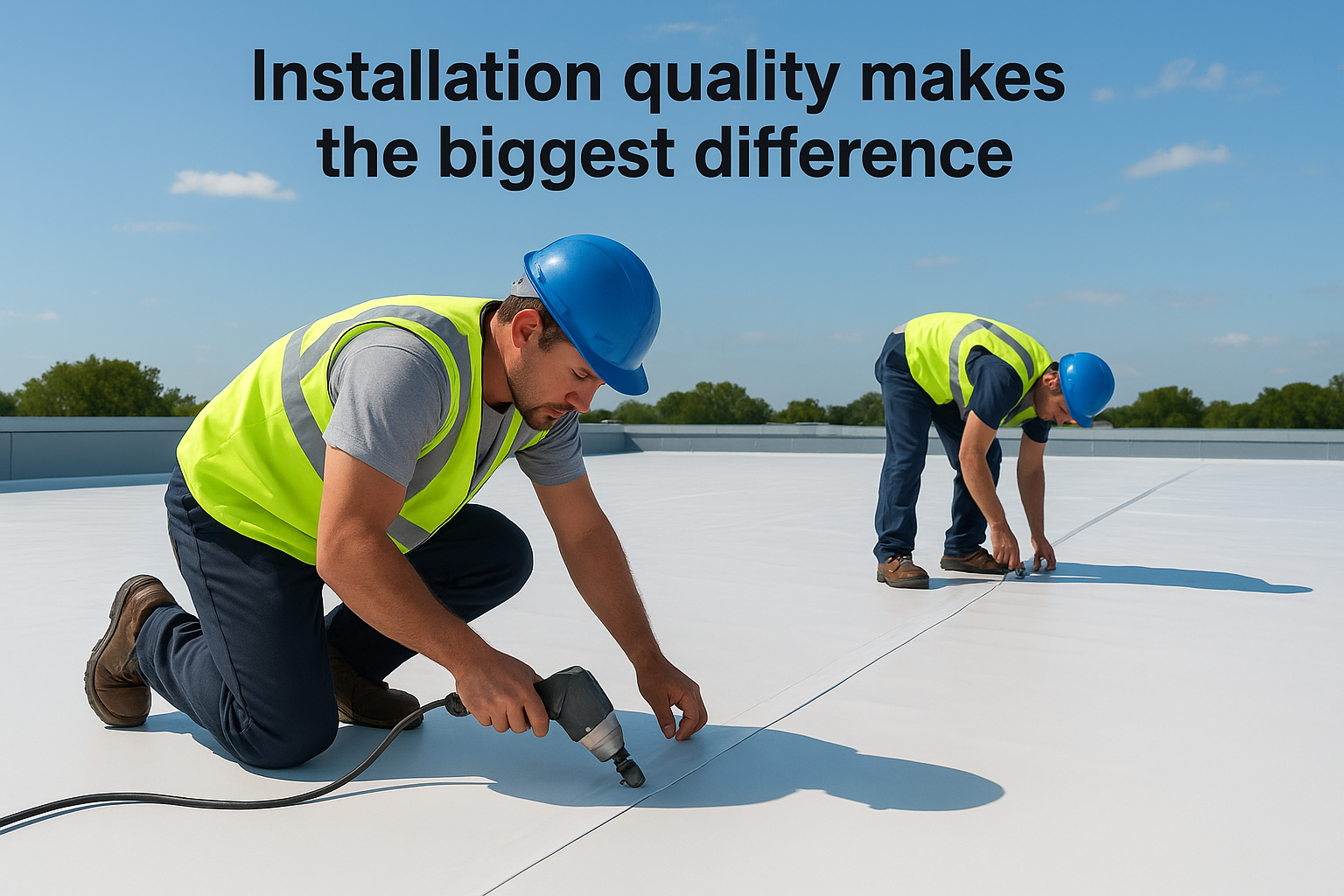
Hiring a certified TPO installer is not optional if you want your roof to reach the upper end of its expected lifespan.
Climate and UV exposure
Your local climate determines how hard the roof works every single day. In regions with intense sun, UV radiation breaks down the membrane’s surface layer faster, reducing flexibility and increasing the risk of cracking over time. Buildings in areas with significant temperature swings between seasons put the membrane through repeated expansion and contraction cycles, which stresses seams and flashings continuously. Coastal environments add salt air exposure to that equation, which accelerates surface degradation at a measurable rate year after year.
Factors that shorten or extend TPO life
Several specific variables determine whether how long does TPO roofing last on your building sits at 20 years or pushes well past 25. Some of these factors are locked in at installation, while others depend on decisions you make throughout the roof’s life. Knowing what each factor does gives you leverage to push your roof toward maximum longevity.
Membrane thickness and material grade
Membrane thickness is one of the clearest predictors of service life. A 45-mil membrane is the minimum standard for most commercial applications, but it offers the least resistance to punctures, UV breakdown, and repeated thermal cycling. Upgrading to a 60-mil or 80-mil membrane adds measurable resistance to all three of those stress sources, and the cost difference at installation is far smaller than the value of the additional years you gain.
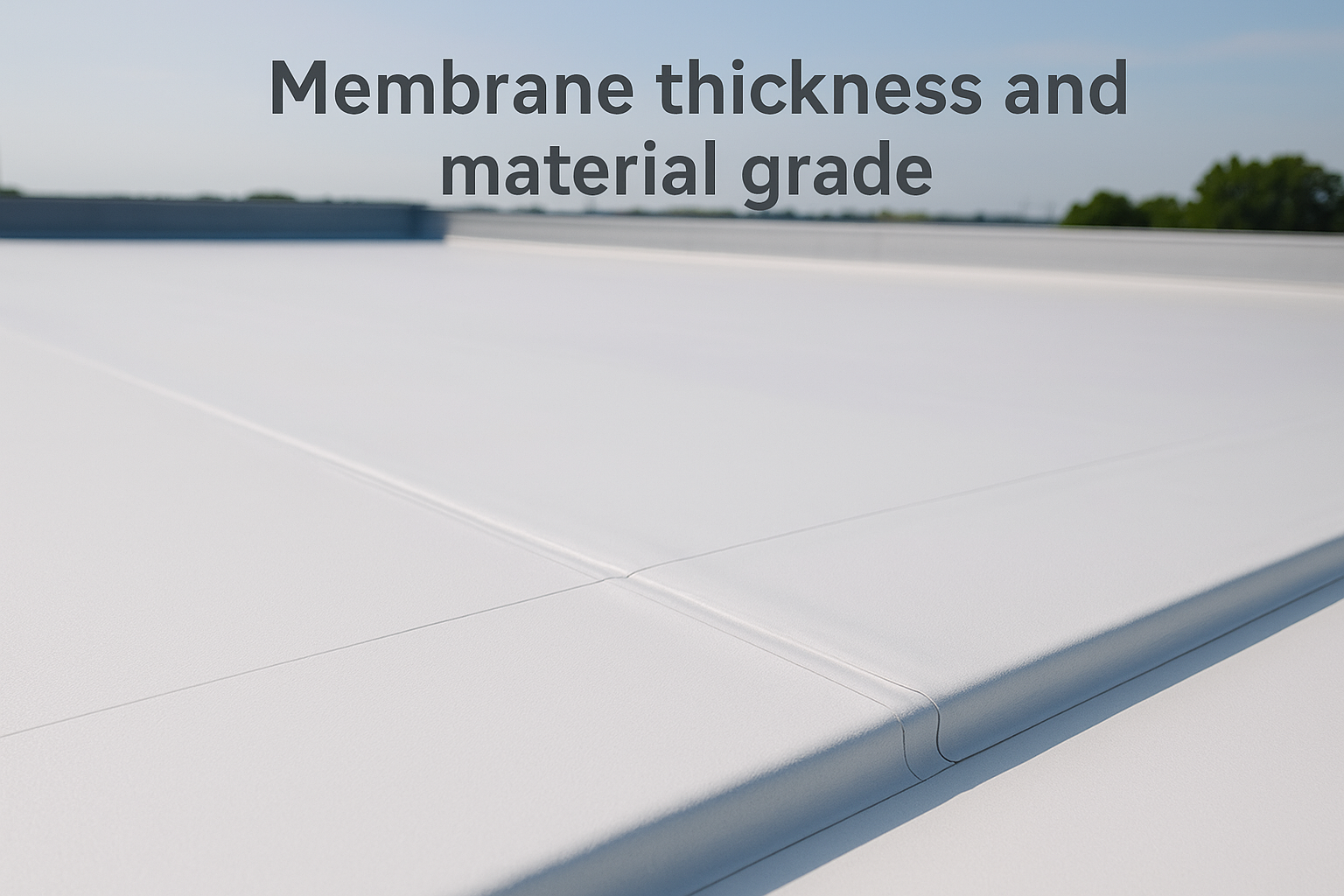
Choosing the right membrane thickness before installation is one decision you cannot revisit without a full replacement, so get it right from the start.
Roof drainage and standing water
Ponding water is one of the most damaging conditions a TPO roof faces. When water sits on the surface for more than 48 hours, it accelerates membrane degradation, adds structural load, and promotes algae growth that breaks down the surface layer. Proper drain placement and slope design during installation prevent standing water from forming in the first place. If your roof already has low spots where water collects, addressing them through re-sloping or adding drains protects your membrane from ongoing damage before it becomes irreversible.
How to make a TPO roof last longer
The answer to how long does TPO roofing last on your building is not fixed at installation. Consistent maintenance and a few deliberate habits can add years to the membrane’s service life, while neglect can shave just as many years off. Most of what you need to do is straightforward and inexpensive compared to the cost of early replacement.
Schedule regular inspections
Twice-yearly inspections (spring and fall) let you catch minor problems before they grow into expensive repairs. During each inspection, a qualified contractor checks seam integrity, flashing conditions, and any punctures or surface cracks that may have formed since the last visit. Catching a small seam separation early costs a fraction of what a full section repair runs after water infiltration has spread beneath the membrane.
Routine inspections are the single highest-return maintenance activity available to you as a TPO roof owner.
Keep the surface clean and drains clear
Debris buildup from leaves, branches, and dirt holds moisture against the membrane and blocks drainage pathways that your roof depends on to shed water efficiently. Clearing drains and removing surface debris at least twice a year prevents ponding water conditions that degrade the membrane over time. If your roof sees heavy foot traffic for HVAC maintenance or other equipment work, place walkway pads in those high-traffic areas to protect the membrane from abrasion and puncture damage that accumulates gradually with each visit.
When to repair, recoat, or replace
Knowing how long does TPO roofing last in theory is useful, but knowing when your specific roof needs attention is what protects your building. Not every problem requires a full replacement, and not every issue is minor enough to patch and ignore. Reading the right signals early saves you from paying for a full tear-off when a targeted repair would have handled the problem, or from pouring money into repairs on a roof that has already run its course.
Signs that repair is sufficient
Isolated punctures, small seam separations, or localized flashing damage are all strong candidates for repair rather than replacement. If the damage affects a contained area and the surrounding membrane is still in good structural condition, a certified contractor can address those specific points without touching the rest of the roof. Catching these problems during routine inspections is exactly why twice-yearly visits pay off.
If more than 25 percent of the roof surface shows damage or degradation, repair costs typically exceed the value of the remaining membrane life.
When recoating extends your roof’s life
Recoating applies a new liquid layer over the existing membrane when the surface shows UV weathering and surface erosion but the membrane beneath remains structurally intact. This option works well for roofs that are 10 to 15 years old with consistent maintenance history and no underlying moisture infiltration.
When replacement is the right call
Widespread seam failures, significant ponding water damage, or membrane shrinkage across large sections signal that the roof has reached the end of its serviceable life. At that point, replacement delivers better long-term value than continued repairs on a system that will keep failing.
Next steps for your TPO roof
Understanding how long does TPO roofing last on your specific building gives you a real advantage when it comes to protecting your investment. The decisions you make at installation and throughout the years that follow determine whether your roof reaches 20 years, 30 years, or somewhere in between. Membrane thickness, drainage design, and routine inspections are the levers you directly control, and acting on each one consistently separates roofs that perform well from ones that drain your maintenance budget year after year.
If your current TPO roof is showing signs of wear, or if you’re evaluating a new installation for your commercial property, getting a professional assessment is the right first move. At Sunflowers Energy LLC, we offer free on-site inspections to help you understand exactly where your roof stands and what it needs. Get your free commercial roofing estimate and put your building on a clear path to long-term protection.