
Your roof started leaking in January, or maybe you spotted damage after a recent storm. Now you’re wondering: can you replace a roof in winter? The short answer is yes, but it comes with specific considerations that every homeowner should understand before scheduling the work. At Sunflowers Energy LLC, we handle roof replacements year-round across varying weather conditions, and we’ve learned exactly what it takes to deliver quality results even when temperatures drop.
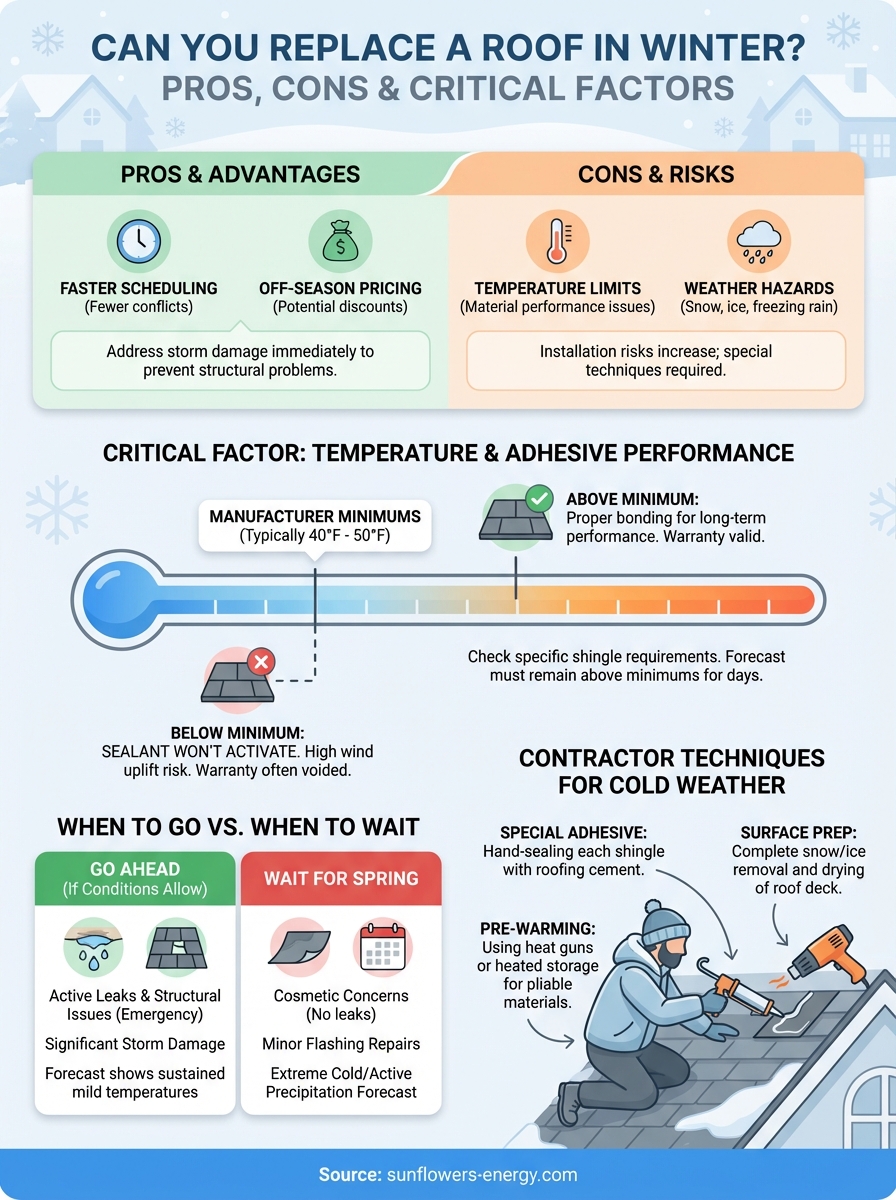
Winter roof replacements aren’t ideal, but they’re far from impossible. The key factors include outside temperature, material selection, and contractor expertise. Many homeowners actually find unexpected advantages to scheduling winter work, from faster project timelines to potential off-season pricing. However, there are real risks involved when shingles are installed in cold weather, and proper installation techniques become even more critical.
This guide breaks down everything you need to know about replacing your roof during the colder months. We’ll cover the temperature thresholds that matter, the pros and cons you should weigh, and the precautions that separate a successful winter installation from a problematic one.
Why winter roof replacement can make sense
Most homeowners assume spring or summer is the only time for roof work, but winter installations offer distinct advantages that can work in your favor. You’ll find fewer scheduling conflicts, potentially lower costs, and the practical reality that roof damage doesn’t wait for warmer weather. Understanding these benefits helps you make an informed decision when you’re facing roofing issues during the cold months.
Contractors have more availability
Roofing companies experience their slowest season during winter months, which means you can schedule work faster instead of waiting weeks or months for an opening. Your project won’t compete with the spring rush when every homeowner wants their roof replaced simultaneously. This flexibility allows you to choose specific dates that work best for your schedule, and contractors can dedicate focused attention to your installation without juggling multiple projects at once.
Winter’s slower pace means your roofing crew isn’t rushing between jobs, which often results in more careful work and better communication throughout your project.
Off-season pricing can lower your costs
Many roofing contractors offer discounted rates during winter to keep their crews working and maintain steady business through slower months. You might save anywhere from 10% to 20% on labor costs compared to peak season pricing. Material suppliers sometimes run winter promotions as well, passing savings directly to you. These cost reductions can offset any additional precautions required for cold-weather installation, making the total project more affordable than waiting until spring.
Storm damage won’t wait for spring
If winter weather damaged your roof, postponing repairs until warmer months invites serious structural problems. Water infiltration leads to mold growth, insulation damage, and wood rot that compounds exponentially over time. The longer you wait, the more expensive your repairs become. Replacing a damaged roof in winter prevents interior damage that could cost thousands more to fix later. When you’re dealing with active leaks or missing shingles, the question isn’t whether can you replace a roof in winter, but rather whether you can afford not to.
When winter roof replacement is a bad idea
While you can replace a roof in winter under the right conditions, certain situations call for postponing the project until temperatures rise. Proceeding with installation during extreme cold or hazardous weather creates material performance issues and safety risks that no homeowner should accept. Recognizing when to wait protects both your investment and the crew working on your property.
Temperatures drop below manufacturer minimums
Most asphalt shingle manufacturers set minimum installation temperatures between 40°F and 50°F for proper adhesive bonding. Below these thresholds, the sealant strips won’t activate, leaving shingles vulnerable to wind damage and water infiltration. Hand-sealing each shingle adds time and cost, but doesn’t guarantee the same long-term performance. If forecasts show sustained temperatures below manufacturer specifications, you’re better off scheduling work for milder weather to ensure proper installation and maintain your warranty coverage.
Active precipitation makes work dangerous
Snow, ice, or freezing rain creates immediate safety hazards for roofing crews working on pitched surfaces. Wet conditions also prevent proper material adhesion, leading to installation failures regardless of temperature. You should wait until the roof surface is completely dry and clear of ice accumulation before starting any replacement work.
Attempting roof work during active storms puts workers at serious risk and virtually guarantees installation problems that will cost you more to fix later.
Your damage is minor and manageable
Small repairs like replacing a few missing shingles or fixing minor flashing issues can often wait until spring without causing additional damage. If you’re dealing with cosmetic concerns rather than active leaks or structural issues, postponing the full replacement lets you avoid cold-weather installation challenges entirely.
Temperature limits and weather rules
Understanding the specific temperature and weather requirements helps you determine if can you replace a roof in winter on your timeline or if you need to wait. Manufacturers set these limits based on material chemistry and adhesive performance, not arbitrary preferences. Your contractor should check both current conditions and the forecast for the days following installation, since shingle bonding continues for several days after the initial application.
Manufacturer temperature specifications
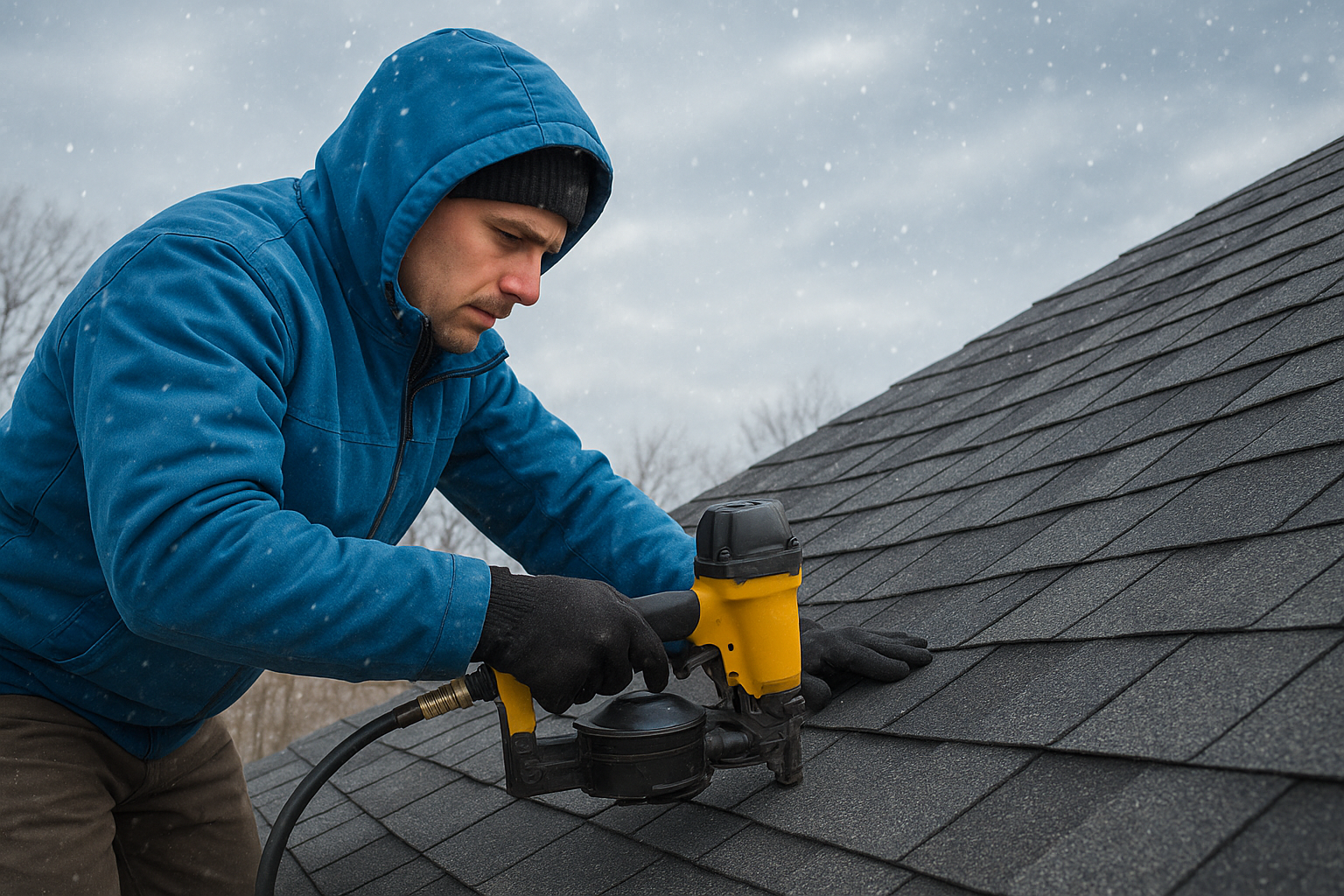
Most asphalt shingle manufacturers require installation temperatures of 40°F or higher for their products to perform correctly. Some premium shingles allow installation down to 35°F, while others demand 50°F minimum depending on the adhesive formulation. You should always verify the specific requirements for your chosen shingles, as these thresholds directly affect your warranty coverage.
Cold temperatures prevent the self-sealing adhesive strips from activating properly. When shingles don’t seal, they become vulnerable to wind uplift and may blow off during storms. Manufacturers won’t honor warranties if you install their products below the specified temperature range.
Installing shingles below manufacturer minimums voids your warranty and creates roof failures that cost thousands to repair.
Safe weather conditions for installation
Beyond temperature, you need dry conditions and clear skies during installation and for at least 24 hours afterward. Moisture prevents proper adhesion, while forecasted storms can damage partially completed work. Wind speeds above 25 mph create safety hazards for crews working on pitched surfaces.
How contractors install roofs in cold weather
Professional roofing contractors use specialized techniques and modified procedures when installing shingles during winter months. These adaptations address the challenges cold temperatures create for material adhesion and installation quality. Understanding these methods helps you recognize whether your contractor follows proper cold-weather protocols that protect your investment.
Special adhesive techniques
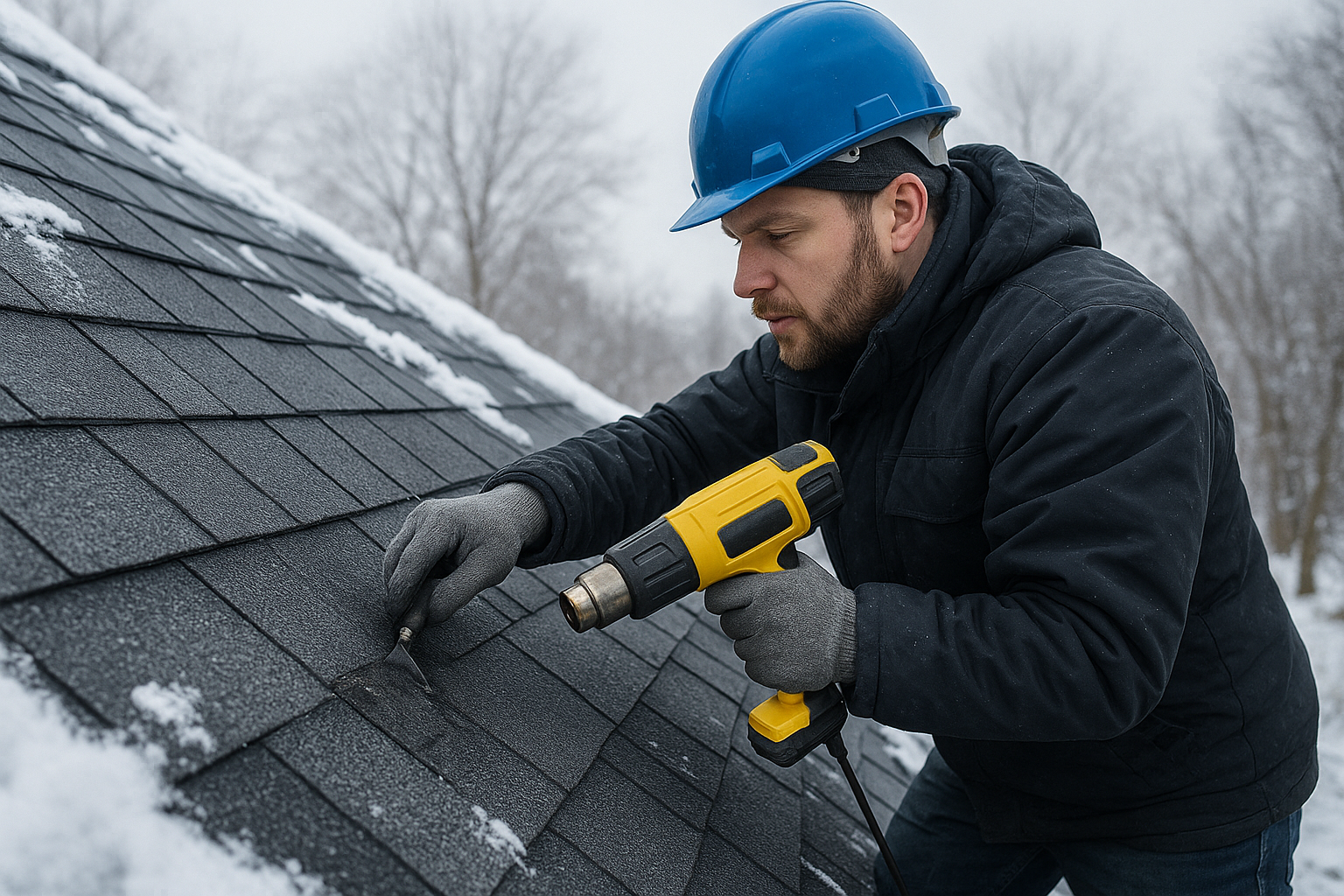
Contractors manually apply roofing cement to each shingle’s adhesive strips when temperatures fall below the manufacturer’s self-sealing threshold. This hand-sealing process ensures that shingles bond properly despite cold conditions preventing the standard adhesive from activating. Your crew should apply cement to every single shingle, not just high-risk areas like edges and valleys. Some contractors also use heat guns to warm shingles before installation, making them more pliable and improving initial adhesion.
Hand-sealing every shingle takes more time and increases labor costs, but it’s the only way to achieve reliable performance when can you replace a roof in winter below ideal temperatures.
Surface preparation requirements
Your contractor must remove all snow and ice from the roof deck before starting installation. Any moisture on the surface prevents proper adhesion and creates immediate failure points. Crews should also inspect the roof deck for frost or condensation, allowing adequate drying time before laying shingles. Professional installers store materials in heated trucks or spaces overnight, preventing shingles from becoming too brittle to work with during installation.
Costs, warranties, and contractor questions
Understanding the financial and contractual aspects of winter roof replacement helps you make informed decisions and avoid costly surprises. When you’re considering whether can you replace a roof in winter, the pricing structure and warranty terms often differ from peak season work. Your contractor should provide transparent explanations of all costs, coverage limitations, and installation procedures specific to cold-weather projects.
Winter installation pricing differences
Labor costs during winter may run 10% to 20% lower than peak season rates, but additional expenses can offset these savings. You’ll pay more for hand-sealing each shingle and potentially for heated storage of materials. Some contractors charge extra for weather-related delays or special cold-weather adhesives. Request a detailed quote that breaks down all costs, including any winter-specific charges, so you can accurately compare total project expenses.
Warranty coverage considerations
Most manufacturer warranties remain valid for winter installations if contractors follow proper procedures and temperature requirements. However, you need written confirmation that your installer met all manufacturer specifications for cold-weather application. Contractors who cut corners by installing below minimum temperatures void your warranty entirely, leaving you responsible for any future failures.
Always get written documentation proving your roof was installed within manufacturer temperature requirements to protect your warranty coverage.
Questions to ask before hiring
Ask potential contractors how many winter roof replacements they’ve completed and what specific procedures they use for cold-weather installation. Request references from recent winter projects and verify they carry adequate insurance coverage for cold-weather work hazards.
What to do next
Now you know that can you replace a roof in winter is absolutely possible when conditions align with manufacturer requirements and contractors follow proper procedures. The decision comes down to your specific situation: emergency repairs demand immediate action, while purely cosmetic concerns can wait for spring. Temperature limits, material compatibility, and contractor expertise determine your success far more than the season itself.
Start by getting professional assessments from experienced roofing companies that regularly handle cold-weather installations. Ask detailed questions about their winter procedures, hand-sealing techniques, and warranty protection. Don’t settle for contractors who dismiss temperature requirements or promise shortcuts that compromise your roof’s performance.
If you’re facing roof damage or need expert guidance on winter installation, schedule a free inspection with Sunflowers Energy LLC today. Our team provides honest assessments and transparent recommendations based on your roof’s condition and current weather forecasts, ensuring you make the right decision for your home and budget.

2 Responses