Many American homeowners have questions about how solar panels work on city homes and whether cloudy weather affects their performance. Clearing up these common misunderstandings is key for anyone interested in saving money and increasing property value with solar power. This guide helps you see through the myths about solar energy while explaining how modern systems offer clean and renewable power generation no matter where you live.
Table of Contents
- Solar Panels In Homes: Definition And Myths
- Types Of Residential Solar Panel Systems
- How Home Solar Panels Generate Energy
- Financial Impact And Incentives For Homeowners
- Installation, Maintenance, And Common Pitfalls
Key Takeaways
| Point | Details |
|---|---|
| Solar Panels Generate Electricity Efficiently | Modern solar panels convert 15-22% of sunlight into usable energy, even in cloudy conditions, making them suitable for diverse environments. |
| Financial Incentives Are Available | Homeowners can access various federal and state financial incentives, such as tax credits and energy buyback programs, making solar installations more affordable. |
| Installation Requires Professional Assessment | A thorough pre-installation evaluation is essential for identifying structural, electrical, and regulatory considerations to ensure system efficiency. |
| Regular Maintenance Is Critical | Annual inspections and routine maintenance can help maintain panel performance, ensuring long-term reliability and efficiency of the solar energy system. |
Solar Panels in Homes: Definition and Myths
Solar panels represent a sophisticated home energy technology that converts sunlight directly into electricity, offering homeowners a clean and renewable power generation method. Solar photovoltaic systems transform sunlight into usable electrical energy through specialized semiconductor materials, enabling residential properties to generate their own electricity.
Understanding solar panel technology involves dispelling common misconceptions that prevent many homeowners from exploring this sustainable energy solution. Several persistent myths often discourage potential adopters:
- Solar panels only work in perfect sunny conditions
- Panels are too expensive for average homeowners
- Solar energy systems are unreliable or inefficient
- Installation requires complete roof replacement
Contrary to popular belief, solar panels can generate electricity even during cloudy or overcast conditions. Modern photovoltaic technologies have advanced significantly, allowing panels to capture diffused sunlight and produce meaningful energy output. Efficiency ratings have dramatically improved, with contemporary panels converting 15-22% of captured sunlight into electricity.
Solar technology continues evolving, making residential solar increasingly accessible and cost-effective for American homeowners.
Key characteristics of residential solar panel systems include:
- Ability to connect to existing electrical grids
- Potential for energy credit or buyback programs
- Reduction in monthly electricity expenses
- Minimal maintenance requirements
- Environmentally friendly energy generation
Technological improvements have addressed many historical limitations, making solar a viable option for diverse home configurations. Modern systems can be customized to suit different roof types, energy consumption patterns, and regional sunlight conditions.
Pro tip: Before investing in solar, conduct a professional home energy assessment to determine your specific solar potential and estimated savings.
Types of Residential Solar Panel Systems
Residential solar panel systems encompass diverse technologies designed to transform sunlight into usable electricity for American homes. Photovoltaic system designs vary significantly, offering homeowners multiple options to meet their unique energy requirements and architectural constraints.
Three primary types of solar panel technologies dominate the residential market:
-
Monocrystalline Panels
- Highest efficiency (20-22%)
- Made from single crystal silicon
- Premium performance
- Most expensive option
-
Polycrystalline Panels
- Moderate efficiency (15-17%)
- Made from multiple silicon fragments
- More affordable
- Slightly lower durability
-
Thin-Film Panels
- Lowest efficiency (10-13%)
- Ultra-thin flexible design
- Lightweight installation
- Best for unique roof configurations
Each solar panel type presents unique advantages and limitations, making selection dependent on specific residential energy needs, budget constraints, and architectural considerations. Technological variations significantly impact system performance, with monocrystalline panels representing the gold standard for energy conversion efficiency.
Here’s a concise comparison of residential solar panel types and their typical applications:
| Panel Type | Common Use Case | Installation Ease | Suitability for Roof Styles |
|---|---|---|---|
| Monocrystalline | High-demand homes | Moderate | Works on most roof types |
| Polycrystalline | Cost-sensitive projects | Easy | Best for standard roof designs |
| Thin-Film | Unique roof situations | Very easy | Ideal for non-traditional roofs |
Modern solar technologies continue advancing, making renewable energy increasingly accessible for residential applications.
Residential solar systems involve more than just panels. Complete installations typically include:
- Photovoltaic modules
- Mounting structures
- Electrical inverters
- Monitoring systems
- Grid connection components
The choice between fixed, adjustable, or tracking mount systems further influences overall system performance and energy generation potential. Geographic location, roof orientation, and local climate conditions play critical roles in determining the most suitable solar panel configuration.
Pro tip: Consult a professional solar energy assessor to determine the most appropriate panel type for your specific home and regional solar conditions.
How Home Solar Panels Generate Energy
Home solar panels convert sunlight into electricity through a fascinating scientific process known as the photovoltaic energy transformation. This remarkable technology harnesses the power of semiconductor materials, primarily silicon, to generate clean and renewable electrical energy for residential properties.
The solar energy conversion process involves several critical steps:
-
Photon Absorption
- Sunlight strikes solar panel surface
- Photons interact with semiconductor materials
- Electrons become energized and dislodged
-
Electron Movement
- Energized electrons create electrical current
- Conductors capture and direct electron flow
- Direct current (DC) electricity is generated
-
Power Conversion
- Inverters transform DC to alternating current (AC)
- AC electricity powers home appliances
- Excess energy can be stored or fed back to grid
Semiconductor technology plays a crucial role in this energy transformation. When sunlight hits the solar panel, photons interact with silicon atoms, knocking electrons free and creating an electrical charge. This phenomenon, known as the photovoltaic effect, enables solar panels to generate electricity without moving parts or emissions.
Solar panel efficiency continues improving, making renewable energy more accessible for American homeowners.
Key factors influencing solar panel performance include:
- Sunlight intensity
- Panel angle and orientation
- Temperature
- Solar cell quality
- Panel maintenance
Modern solar technologies have significantly enhanced energy conversion rates, with contemporary panels achieving efficiency levels between 15-22%. This means a substantial portion of captured sunlight can be transformed into usable electrical energy, reducing reliance on traditional power sources.
Pro tip: Optimize your solar panel placement by consulting a professional who can assess your home’s specific solar potential and recommend the most effective installation strategy.
Financial Impact and Incentives for Homeowners
Homeowners considering solar panel installations can benefit significantly from comprehensive financial incentives and policy frameworks designed to reduce upfront costs and improve long-term economic returns. These strategic programs make solar investments increasingly attractive for residential properties across the United States.
Key financial benefits and incentives for solar panel adoption include:
-
Federal Tax Credits
- 30% investment tax credit
- Reduces installation expenses
- Applies to residential solar systems
-
State-Level Incentives
- Property tax exemptions
- Performance-based rebates
- Net metering programs
- Solar renewable energy certificates
-
Utility Company Programs
- Energy buyback rates
- Installation grants
- Reduced connection fees
- Grid integration support
Economic advantages extend beyond immediate financial incentives. Homeowners can expect substantial long-term savings through reduced electricity bills, increased property values, and protection against rising energy costs. The average American household can save between $10,000 to $30,000 over a solar system’s 25-30 year lifespan.

Explore how major financial incentives impact solar adoption and homeowner savings:
| Incentive Type | Primary Benefit | Typical Savings Impact | Additional Notes |
|---|---|---|---|
| Federal Tax Credits | Reduces upfront cost | 30% off installation price | Applies nationwide |
| State Rebates | Lowers purchase price | Varies, up to thousands | Depends on your location |
| Net Metering | Offsets monthly bills | Reduces electricity costs | Credits for excess energy |
Solar investments represent a strategic financial decision that simultaneously reduces energy expenses and supports environmental sustainability.
Critical factors influencing solar panel financial returns include:
- Local electricity rates
- Available sunlight
- System size and efficiency
- Installation costs
- Federal and state incentive programs
By 2030, projections suggest rooftop solar will power approximately 100 million households worldwide, demonstrating the growing economic and environmental viability of residential solar technologies. This trend reflects increasing affordability and improved technological capabilities that make solar investments more accessible than ever.
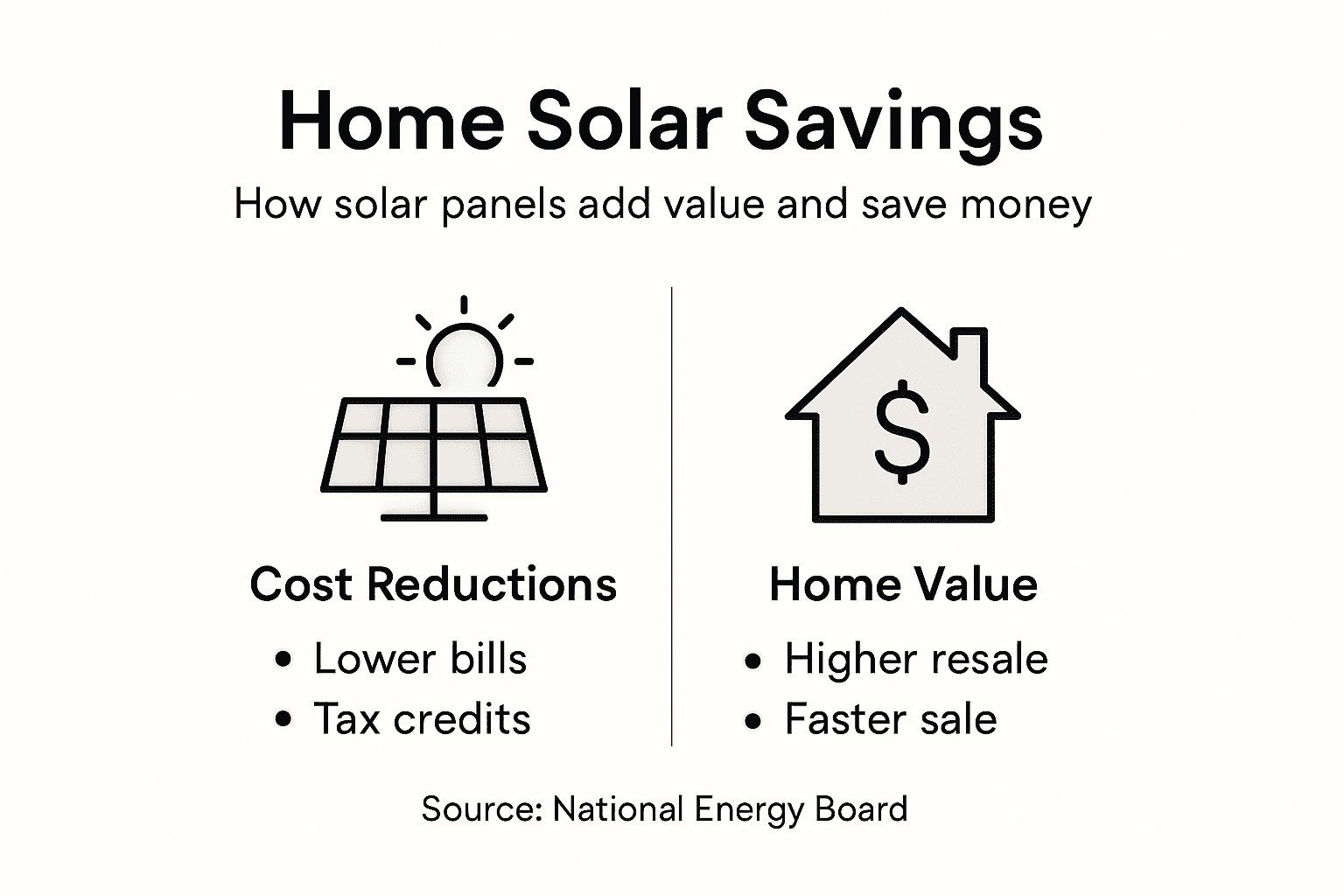
Pro tip: Consult a professional solar energy consultant to perform a comprehensive financial assessment and identify the most lucrative incentive programs specific to your location.
Installation, Maintenance, and Common Pitfalls
Installing residential solar panels requires careful planning and expert execution, with the goal of creating an efficient and reliable home energy system. Solar system operations and maintenance play a critical role in ensuring long-term performance and maximizing financial returns for homeowners.
Key steps in successful solar panel installation include:
-
Pre-Installation Assessment
- Professional roof structural evaluation
- Solar exposure analysis
- Electrical system compatibility check
- Permit and regulatory compliance
-
Installation Considerations
- Optimal panel orientation
- Secure mounting systems
- Professional electrical connections
- Grid integration requirements
-
Post-Installation Verification
- System performance testing
- Inverter functionality check
- Initial energy production measurement
- Warranty documentation
Potential installation challenges can significantly impact system effectiveness. Common pitfalls include improper roof assessment, inadequate electrical infrastructure, suboptimal panel positioning, and neglecting local building code requirements. Homeowners must work with certified solar installation professionals to mitigate these risks.
Professional installation ensures maximum solar system efficiency and long-term reliability.
Critical maintenance activities for preserving solar panel performance involve:
- Annual professional inspections
- Regular panel cleaning
- Monitoring energy production
- Checking electrical connections
- Updating inverter software
Typical maintenance intervals and recommended actions help prevent performance degradation. Modern solar panels typically maintain 80-90% efficiency after 25 years, but regular professional assessments can help identify and address potential issues before they become costly problems.
Pro tip: Schedule comprehensive system evaluations with certified solar technicians annually to ensure optimal performance and catch potential maintenance issues early.
Unlock Real Cost Savings and Enhance Your Home Value with Residential Solar
The journey toward real cost savings and increased home value begins with understanding the true role of solar panels in your house. You have concerns about upfront costs, long-term efficiency, and maximizing financial incentives. You want a trustworthy solution that delivers reliable energy savings through advanced photovoltaic systems, cuts monthly electricity expenses, and adds sustainable value to your property. Sunflowers Energy specializes in residential solar panel installations designed to meet these precise goals. Our premium materials and expert service address common challenges like proper installation, maximizing solar exposure, and leveraging federal and state incentives to reduce your investment risks.
Discover how our skilled team integrates cutting-edge solar technologies with professional roofing services to safeguard both your energy production and your home’s structure. Learn more about our comprehensive solutions by browsing 1win Brazil – Sunflowers Energy LLC A Roofing and Solar Companys for detailed insights.
Ready to realize significant savings and boost your property’s worth through solar energy? Contact Sunflowers Energy today for a free onsite inspection and personalized quote. Take the next step toward an eco-friendly and cost-effective future by visiting https://www.sunflowers-energy.com/. Let us help you harness the power of sunlight for your home and your wallet.
Frequently Asked Questions
What are the main benefits of installing solar panels in homes?
Installing solar panels can lead to significant cost savings on electricity bills, increase property value, and reduce reliance on traditional energy sources. Additionally, homeowners may benefit from various financial incentives, such as tax credits and rebates.
How do solar panels generate electricity?
Solar panels convert sunlight into electricity through a process called the photovoltaic effect. Sunlight strikes the panel, energizing electrons in semiconductor materials, which then creates an electrical current that can be used to power home appliances.
What type of solar panels is the most efficient for residential use?
Monocrystalline panels are typically the most efficient type, offering efficiency ratings of 20-22%. They are made from single crystal silicon and provide premium performance, making them suitable for high-demand homes.
What factors can affect the performance of solar panels?
Key factors influencing solar panel performance include sunlight intensity, panel angle and orientation, temperature, and the quality of the solar cells. Regular maintenance and optimal placement are essential for maintaining efficiency.
Recommended
- Is Solar Worth It? A Comprehensive Guide to Home Solar Panel Costs – Sunflowers Energy LLC A Roofing and Solar Companys
- Why Install Solar Panels: Financial and Environmental Impact – Sunflowers Energy LLC A Roofing and Solar Companys
- Why Choose Residential Solar: Savings, Value, Impact – Sunflowers Energy LLC A Roofing and Solar Companys
- Solar Energy Efficiency Guide for Maximized Home Savings – Sunflowers Energy LLC A Roofing and Solar Companys
One Response