
Roof maintenance best practices: pro tips for longevity
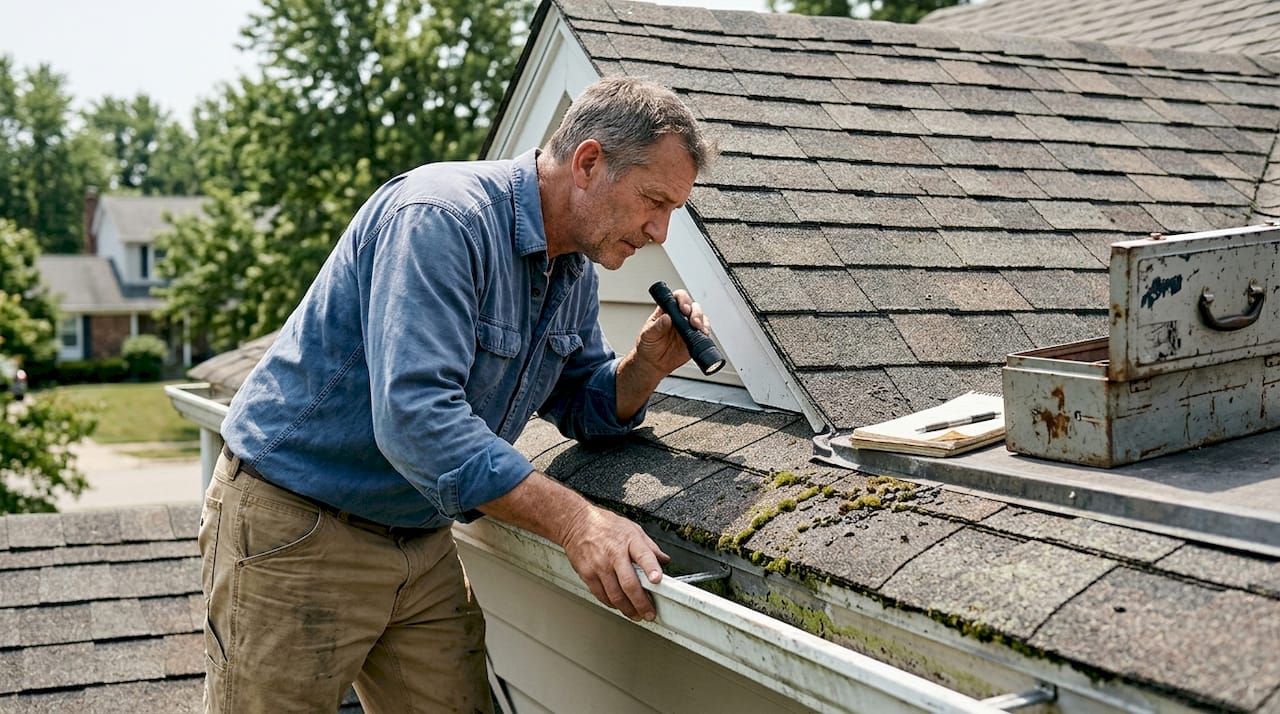
Spending a few hundred dollars on routine roof care can save you from a $10,000 emergency replacement. Preventive maintenance reduces repair costs by 30 to 50% compared to reactive approaches, and every dollar you invest now saves roughly four dollars later. Most homeowners don’t realize their roof is failing until water is dripping through the ceiling, but the warning signs were there months earlier. This guide walks you through the exact habits, schedules, and field-tested strategies that keep roofs performing for decades.
Table of Contents
- Criteria for effective roof maintenance
- 1. Schedule professional roof inspections
- 2. Clean gutters and manage water flow
- 3. Monitor and repair flashing leaks
- 4. Maintain attic ventilation and insulation
- 5. Care for common residential roof materials
- Preventive vs. reactive maintenance: Comparing the impact
- Upgrade your roof maintenance with expert support
- Frequently asked questions
Key Takeaways
| Point | Details |
|---|---|
| Routine inspections | Twice-yearly professional inspections prevent most roof problems and costly emergencies. |
| Gutter maintenance | Keeping gutters clean prevents water damage and costly repairs to your roof structure. |
| Flashing care | Checking and maintaining flashing is critical because it causes over a third of leaks. |
| Attic checks | Proper attic ventilation and insulation protect your roof and improve your home’s efficiency. |
| Preventive focus | Investing in maintenance saves up to 50 percent on repair costs and extends roof life up to 15 years. |
Criteria for effective roof maintenance
Not every maintenance task is created equal. Before diving into specific steps, it helps to understand what separates a truly effective maintenance routine from one that just looks good on paper.
The most reliable programs share four core qualities:
- Scheduled professional inspections at least twice per year, as NRCA guidelines recommend in spring and fall
- Complete documentation of every inspection, repair, and material replacement to protect manufacturer warranties and support reroof planning
- Preventive priority over reactive fixes, meaning you address small issues before they become structural problems
- A roof access log to track foot traffic, since GAF and NRCA emphasize that untracked traffic causes hidden wear over time
These criteria apply whether you own a single-family home or manage a multi-unit property. Understanding sustainable roofing benefits also helps you see maintenance as an investment, not just an expense. When you combine roof upkeep with roofing energy efficiency checks, you get compounding returns on both comfort and cost savings.
Pro Tip: Schedule your annual energy efficiency audit on the same day as your fall roof inspection. One visit, two major home systems checked, and you’ll catch problems that affect both your roof and your utility bills.
1. Schedule professional roof inspections
Routine, professional roof inspections are the single highest-return habit you can build. Spring and fall inspections are the cornerstone of effective maintenance, and you should also schedule one after any major storm or before listing a property for sale.
Here’s a quick look at what the numbers say:
| Item | Cost range |
|---|---|
| Professional roof inspection | $150 to $400 |
| Minor repair caught during inspection | $200 to $800 |
| Full roof replacement (avoided) | $8,000 to $15,000 |
75% of emergency roofing calls are preventable with regular inspections. That statistic alone makes the case for putting inspections on your calendar right now.
A thorough inspection should cover:
- Flashing condition around chimneys, skylights, and vents
- Shingle uplift or curling along ridges and edges
- Gutter attachment and signs of sagging or separation
- Interior attic check for moisture stains, daylight gaps, or mold
- Documented findings with photos for your maintenance file
If you’re not sure where to start, scheduling a roof inspection with a licensed professional takes the guesswork out of the process. For property managers handling multiple buildings, finding a roofing professional with commercial experience makes a measurable difference in thoroughness.
2. Clean gutters and manage water flow
Your gutters are the first line of defense against water damage, and they fail silently. A clogged gutter doesn’t announce itself until you see fascia rot, foundation staining, or worse, an ice dam tearing away your eave shingles.
Routine gutter cleaning 2 to 4 times per year prevents water backup, ice dams, rot, and fascia damage that costs $500 to $2,500 to repair. Here’s a simple cleaning schedule that works:
- Early spring: Clear debris from winter storms and check for ice dam damage
- Late spring: Inspect after heavy rain season and flush downspouts
- Early fall: Remove leaves before they compact and trap moisture
- Late fall: Final clean after all leaves have dropped, before freeze season
“The gutters are the roof’s drainage system. Skip the cleaning and you’re not just clogging a channel, you’re setting up the fascia, soffit, and foundation for expensive water damage that compounds every season.”
Gutters also connect directly to your home’s overall energy performance. A well-maintained drainage system protects the insulation and structure that keep your home efficient. Learn more about how roof and energy savings work together to lower your operating costs year-round.
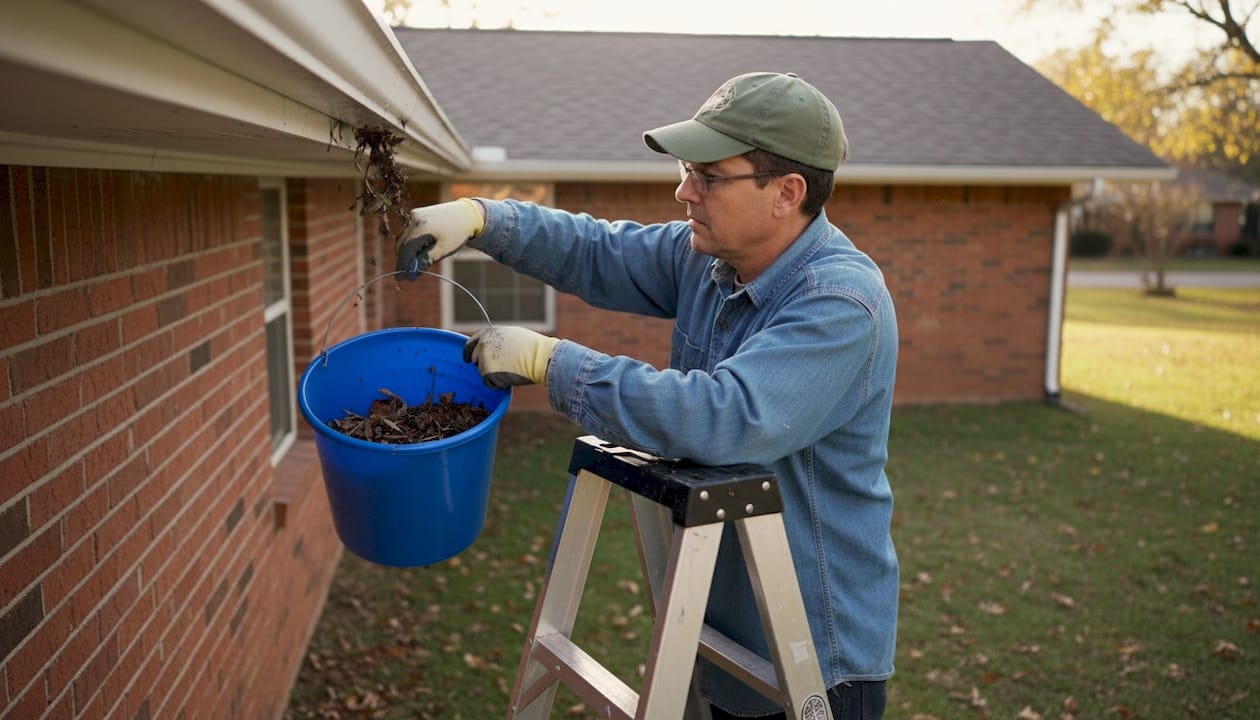
Pro Tip: Install gutter guards to cut cleaning frequency in half, but don’t skip seasonal checks entirely. Guards reduce debris buildup but don’t eliminate the need to verify downspout flow every season.
3. Monitor and repair flashing leaks
Flashing is the thin metal barrier that seals the joints where your roof meets vertical surfaces like chimneys, vents, and walls. It’s also where most leaks begin. Flashing failures cause roughly 35% of residential roof leaks, making it one of the most important areas to monitor.
The most vulnerable spots include:
- Chimney base and cap flashing where thermal expansion causes separation
- Pipe boot flashings around plumbing vents, which crack as rubber ages
- Valley flashing where two roof planes meet and water volume is highest
- Skylight perimeter flashing that can lift in high winds
- Wall-to-roof transitions on dormers and additions
Here’s how preventive care compares to waiting for a problem:
| Scenario | Typical cost |
|---|---|
| Preventive flashing inspection and reseal | $100 to $300 |
| Flashing repair after active leak develops | $400 to $1,200 |
| Interior water damage repair (drywall, insulation) | $1,500 to $5,000+ |
For a DIY spot check, look for rust streaks, lifted edges, or gaps in the sealant bead. A gentle tug on the flashing edge will tell you if it’s still bonded. If it moves, call a pro. Homeowners who also have solar panels should review solar panel maintenance tips since panel mounts penetrate the roof surface and require their own flashing inspection.
4. Maintain attic ventilation and insulation
Your attic is the hidden engine of your roof’s health. Poor ventilation traps heat and moisture, and both are enemies of roofing materials. Proper attic ventilation and insulation prevent moisture buildup, ice dams, mold, and excessive heat that shortens roof life.
Watch for these warning signs of poor attic airflow:
- Ice dams forming along eaves in winter, caused by uneven roof surface temperatures
- Mold or dark staining on roof sheathing or rafters
- Unusually high heating or cooling bills that suggest heat is escaping through the roof deck
- Shingles aging faster than expected, often from heat buildup below
- Blocked soffit vents covered by insulation pushed to the eave
The fix is usually straightforward: keep soffit vents clear, maintain a consistent insulation depth (typically R-38 to R-60 depending on your climate zone), and add a ridge vent if your attic lacks one. For homes with solar installations, attic performance directly affects how hard your HVAC system works, which in turn affects how much energy your panels need to offset. Explore energy-efficient roofing options that work alongside proper attic management for maximum performance.
5. Care for common residential roof materials
How you maintain a roof depends entirely on what it’s made of. Techniques that work on metal can damage asphalt, and vice versa. Knowing your material is the starting point for every care decision.
Asphalt shingles cover 69% of US homes and last 15 to 30 years with proper care. Check your gutters for granule loss after every storm. Granules are the protective coating on each shingle, and losing them accelerates aging. Replace any curled, cracked, or missing shingles immediately.
For tile and metal roofs, the priorities shift slightly:
- Clay and concrete tile: Annual inspection for chips, cracks, and displaced tiles; avoid walking on them
- Metal roofing: Check fasteners and seams annually for rust or backing out; inspect for surface scratches that expose bare metal
- All types: Remove moss or algae growth with a low-pressure rinse and appropriate cleaner
Common visual warning signs across all roof types:
- Sagging sections or visible dips in the roof plane
- Dark streaks indicating algae or moisture damage
- Daylight visible through the attic ceiling boards
- Flashing that has separated or shows heavy rust
Understanding asphalt shingle warranties helps you know exactly what maintenance is required to keep coverage valid. Many warranties are voided by improper cleaning or skipped inspections.
Pro Tip: Never pressure wash asphalt shingles. The high-pressure stream strips granules and voids most manufacturer warranties. Use a soft-wash system with a low-pressure nozzle and a biodegradable cleaning solution instead.
Preventive vs. reactive maintenance: Comparing the impact
The numbers make a clear argument for staying ahead of problems rather than chasing them.
| Factor | Preventive approach | Reactive approach |
|---|---|---|
| Annual cost | $300 to $800 | $0 upfront |
| Emergency repair cost | Rarely needed | $2,000 to $15,000+ |
| Roof lifespan | Extended 10 to 15 years | Shortened significantly |
| Warranty status | Preserved | Often voided |
| Insurance claim outcome | Favorable | Possible denial |
Preventive maintenance adds 10 to 15 years to roof lifespan and reduces repair costs by 30 to 50% compared to reactive approaches. That’s not a marginal improvement, it’s a fundamentally different financial outcome.
“Homeowners who skip routine maintenance often face a triple penalty: the emergency repair cost, the consequential damage to interiors, and the loss of warranty or insurance coverage that would have helped pay for it.” National Roof Repair Authority
Reactive maintenance also creates unpredictability. You can’t budget for an emergency. Preventive care turns roof management into a predictable line item, which matters especially for property managers overseeing multiple units. Explore sustainable roofing strategies that align long-term maintenance planning with broader property value goals.
Upgrade your roof maintenance with expert support
Putting these best practices into action is straightforward when you have the right team behind you. At Sunflowers Energy, we combine professional roof inspections with a full range of roofing services designed to protect your home and extend the life of your investment.

Our licensed inspectors check every critical area covered in this guide, from flashing integrity to attic ventilation, and provide a documented report you can use for warranty records and insurance purposes. Whether you need a one-time assessment or an ongoing roof repair and maintenance plan, we tailor our approach to your property’s specific needs. Request a free roof inspection today and get a clear picture of where your roof stands before a small issue becomes a costly emergency.
Frequently asked questions
How often should a residential roof be inspected?
Schedule professional inspections twice a year, in spring and fall, plus after any major storm event for complete coverage.
What are the first signs my roof needs maintenance?
Start by checking your gutters for granule loss and look for missing or curling shingles, damp spots in the attic, and water stains on interior ceilings.
What’s the average cost difference between maintenance and emergency repairs?
Routine inspections run $150 to $400, while a full emergency replacement typically costs $8,000 to $15,000, making regular care the obvious financial choice.
Does roof maintenance affect home insurance or warranties?
Yes. GAF and NRCA documentation standards show that maintenance records are often required to keep warranties valid, and insurers may deny claims when neglect is evident.
Recommended
- What is roof repair? A 2026 guide for homeowners – Sunflowers Energy LLC A Roofing and Solar Companys
- How Often Should You Get a Roof Inspection? (2026 Guide) – Sunflowers Energy LLC A Roofing and Solar Companys
- How Long Does A Metal Roof Last? Lifespan By Type & Care – Sunflowers Energy LLC A Roofing and Solar Companys
- Sustainable roofing benefits: cut costs, boost value – Sunflowers Energy LLC A Roofing and Solar Companys

2 Responses