For many city dwellers committed to reducing their carbon footprint, choosing the right solar technology can seem confusing. Solar panel efficiency determines how much sunlight gets turned into usable power, directly influencing monthly utility bills and long-term reliability. Factors like temperature, placement, and advanced materials all contribute to overall system performance. By understanding the basics of photovoltaic conversion and focusing on solar panel efficiency, homeowners can make smart choices that support sustainability while lowering costs.
Table of Contents
- What Solar Panel Efficiency Really Means
- Comparing Monocrystalline, Polycrystalline, and Thin-Film
- How Sunlight, Temperature, and Placement Impact Output
- Simple Strategies to Boost Your Solar Performance
- Avoiding Common Mistakes That Reduce Efficiency
Key Takeaways
| Point | Details |
|---|---|
| Solar Panel Efficiency | Solar panel efficiency ranges between 18% and 23%, influenced by factors like photon reflection and temperature. Understand these variables for better performance. |
| Panel Type Selection | Monocrystalline, polycrystalline, and thin-film panels offer varying efficiency and cost; choose based on energy needs and budget. |
| Environmental Impact | Sunlight intensity, temperature, and placement critically influence performance; optimal positioning can enhance output significantly. |
| Avoiding Mistakes | Ensure precise system sizing, correct panel orientation, and regular maintenance to prevent efficiency loss and maximize energy production. |
What Solar Panel Efficiency Really Means
Solar panel efficiency represents the percentage of sunlight a photovoltaic panel transforms into electrical power. At its core, efficiency measures how effectively solar technology converts solar radiation into usable electricity. Standard test conditions reveal that typical solar panels currently operate between 18% and 23% efficiency.
The efficiency of solar panels depends on multiple interconnected factors that impact energy conversion performance. These critical elements include:
- Photon reflection rates
- Heat conversion capabilities
- Electron recombination losses
- Panel temperature management
- Material semiconductor properties
- Photovoltaic cell design
Understanding these variables helps homeowners recognize why not all solar panels perform identically. Photovoltaic cell technology continually evolves, with researchers developing increasingly sophisticated methods to maximize energy capture and minimize conversion losses. Real-world performance metrics demonstrate that efficiency ratings under standard laboratory conditions can differ significantly from actual outdoor installation results.
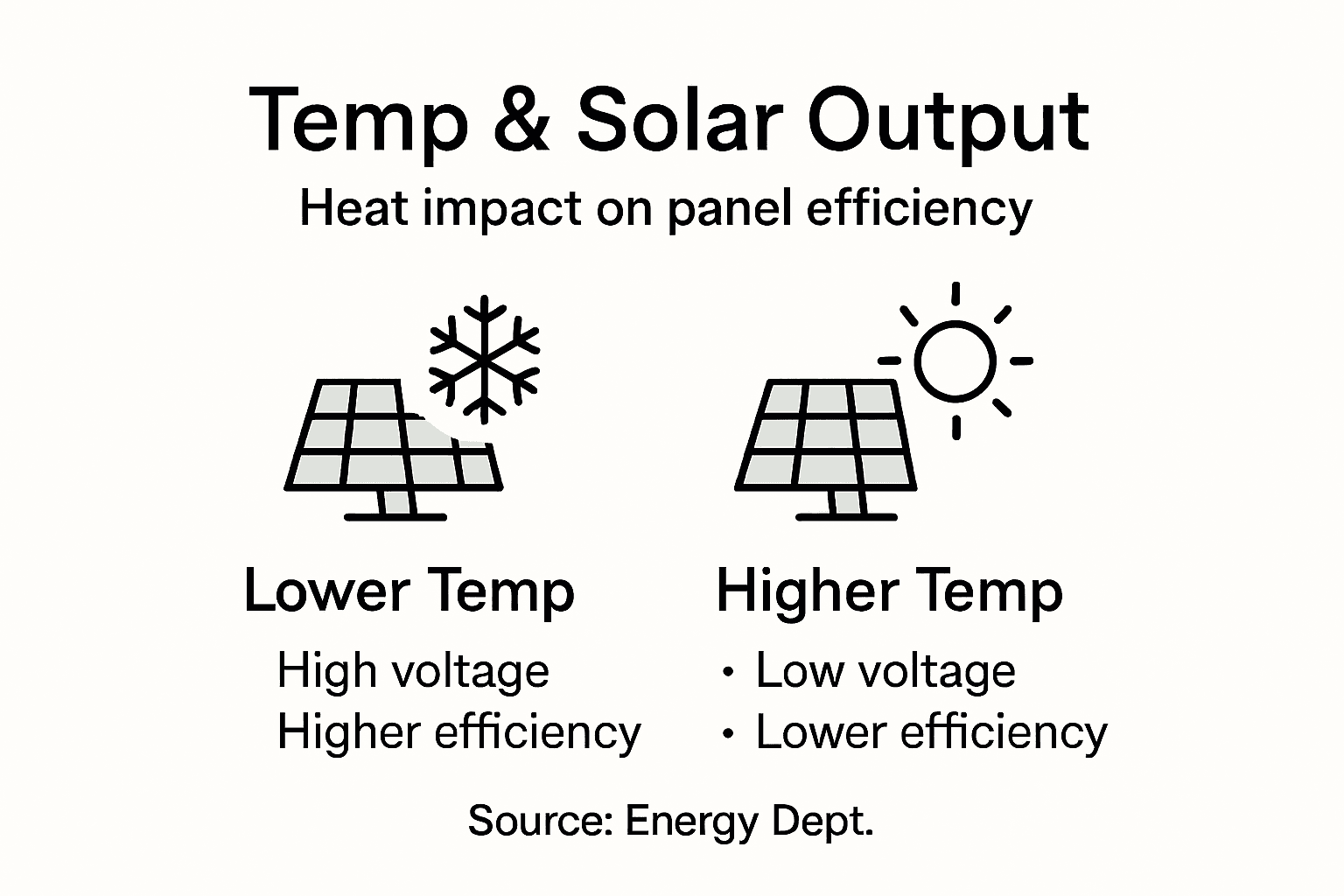
Temperature plays a surprisingly crucial role in solar panel performance. Higher temperatures actually reduce voltage and electrical output, meaning panels operate most efficiently during cooler conditions. Proper installation and thermal management become critical strategies for maintaining optimal solar energy conversion.
Pro tip: When evaluating solar panels, look beyond efficiency percentages and consider total system performance, installation environment, and long-term energy production potential.
Comparing Monocrystalline, Polycrystalline, and Thin-Film
Solar panel technologies come in three primary types, each with unique characteristics that impact performance, cost, and suitability for different installation environments. Monocrystalline, polycrystalline, and thin-film solar panels represent distinct approaches to converting sunlight into electrical energy, offering homeowners varied options for their renewable energy needs.
Monocrystalline solar panels are known for their superior efficiency and sleek appearance. Key features include:
- Highest efficiency ratings (typically 17-22%)
- Dark black or deep blue coloration
- Made from single-crystal silicon structures
- Most expensive panel type
- Best performance in limited space scenarios
- Longer lifespan (25-30 years)
Polycrystalline panels represent a more budget-friendly alternative, characterized by their distinctive blue speckled appearance. These panels are manufactured using multiple silicon crystal fragments, which results in slightly lower efficiency compared to monocrystalline options. Their manufacturing process is less complex and more cost-effective, making them an attractive option for homeowners seeking a balance between performance and affordability.
Thin-film solar panels offer the most flexibility in terms of installation and design. Unlike traditional silicon-based panels, these lightweight modules can be integrated into various surfaces and applications. They typically feature lower efficiency rates but provide unique advantages:
- Lightweight and flexible design
- Lower manufacturing costs
- Performance less affected by high temperatures
- Ideal for large commercial installations
- Can be integrated into building materials
- Shorter lifespan compared to crystalline panels
Selecting the right solar panel type depends on your specific energy needs, budget, available space, and long-term performance expectations.
Pro tip: Consider consulting a solar energy professional who can assess your specific property characteristics and recommend the most suitable panel technology for your unique situation.
The following table compares typical long-term returns and installation considerations for each major solar panel type:
| Panel Type | Estimated Energy Yield (per sq ft) | Installation Requirements | Long-Term Value |
|---|---|---|---|
| Monocrystalline | Highest yield, up to 22% | Precise setup, small spaces | Maximum efficiency, longest life |
| Polycrystalline | Moderate yield, up to 18% | Flexible, easier installation | Balanced cost and performance |
| Thin-Film | Lower yield, 10-13% | Large area, lightweight | Best for large-scale/commercial |
How Sunlight, Temperature, and Placement Impact Output
Solar panel performance is intrinsically linked to environmental conditions, with sunlight intensity, temperature, and panel placement serving as critical factors that dramatically influence energy production. Environmental condition analysis reveals that these interconnected variables can significantly alter a solar system’s overall efficiency and power generation capabilities.
Sunlight intensity represents the primary driver of solar panel output. Key factors that impact solar energy capture include:
- Direct solar radiation levels
- Cloud cover and atmospheric conditions
- Time of day and seasonal variations
- Geographic latitude and local climate
- Potential shading from nearby structures
- Angle of solar panel installation
Temperature plays a surprisingly complex role in solar panel performance. Contrary to popular belief, excessive heat actually reduces solar panel efficiency. Solar panels operate most efficiently in cooler temperatures, with performance declining as surface temperatures rise. This phenomenon occurs because higher temperatures increase electron movement within semiconductor materials, reducing the voltage potential and overall electrical output.
Panel placement emerges as a critical consideration for maximizing energy production. Optimal positioning involves carefully calculating panel orientation, tilt angle, and potential obstructions. Homeowners must consider factors such as roof angle, regional sun path, and potential shading from trees, buildings, or landscape features. Precise positioning can dramatically improve annual energy yields by ensuring maximum sunlight exposure throughout different seasons.

Here’s a summary of how key environmental factors impact solar panel output:
| Factor | Impact on Performance | Optimization Strategy |
|---|---|---|
| Sunlight Intensity | Directly increases yield | Maximize exposure, avoid shade |
| Temperature | High heat lowers efficiency | Use cooling methods, venting |
| Panel Orientation | Misalignment reduces output | Set tilt and angle for latitude |
| Seasonal Variation | Affects annual production | Adjust angle, use tracking |
Solar panel performance is a delicate balance between environmental conditions and strategic installation techniques.
Pro tip: Consult a local solar energy professional who can perform a comprehensive site assessment to determine the most effective panel placement for your specific geographic location and property characteristics.
Simple Strategies to Boost Your Solar Performance
Improving solar panel performance requires a strategic approach that combines technical knowledge and proactive maintenance. Advanced cooling techniques can significantly enhance energy production by addressing some of the most common efficiency challenges faced by homeowners and solar energy enthusiasts.
Panel maintenance and optimization strategies include several key approaches:
- Regular professional cleaning
- Minimizing potential shading
- Implementing advanced cooling methods
- Optimizing panel positioning
- Utilizing high-efficiency panel models
- Installing micro-inverter systems
- Conducting periodic performance assessments
Microclimate management plays a crucial role in solar panel performance. Temperature regulation becomes essential, as solar panels actually lose efficiency when surface temperatures rise too high. By implementing passive and active cooling techniques, homeowners can counteract heat-induced performance degradation. Passive methods like strategic heat sinks and advanced material selection can help maintain optimal operating temperatures, while active cooling techniques such as targeted air or water circulation provide additional performance benefits.
Technology and positioning represent two powerful levers for maximizing solar energy capture. Strategic panel placement involves carefully calculating orientation, tilt angle, and potential obstructions. Advanced solar tracking systems can dynamically align panels with the sun’s movement, potentially increasing energy yields by up to 25-35% compared to fixed installations. Homeowners should consider professional site assessments to identify the most effective positioning for their specific geographic location and property characteristics.
Consistent monitoring and proactive maintenance are the keys to sustained solar panel performance.
Pro tip: Schedule an annual professional inspection to identify and address potential efficiency barriers before they significantly impact your solar system’s performance.
Avoiding Common Mistakes That Reduce Efficiency
Maximizing solar panel performance requires understanding and preventing critical errors that can dramatically reduce energy production. Common photovoltaic system mistakes often stem from poor planning, inadequate professional guidance, and limited technical understanding.
Homeowners frequently encounter several key efficiency-reducing mistakes:
- Incorrect system sizing
- Selecting low-quality solar modules
- Ignoring optimal panel orientation
- Failing to account for potential shading
- Neglecting regular maintenance
- Improper installation techniques
- Overlooking safety and compliance standards
System sizing represents a critical consideration that many homeowners misunderstand. Undersizing a solar installation means insufficient energy production, while oversizing leads to unnecessary expense and reduced return on investment. Precise calculations must account for current energy consumption, future usage projections, roof space, and local solar radiation levels. Professional energy assessments help determine the most appropriate system configuration for individual property requirements.
Panel placement and orientation dramatically impact solar performance. Suboptimal positioning can reduce energy yields by 20-40%, making professional site analysis crucial. Factors like roof angle, geographic latitude, potential shading from trees or surrounding structures, and seasonal sun path variations must be carefully evaluated. Homeowners should prioritize unobstructed southern exposure in the Northern Hemisphere, with panels tilted at an angle matching their latitude for maximum annual energy production.
Technical expertise and professional guidance are essential for avoiding costly solar installation mistakes.
Pro tip: Always request a comprehensive site assessment from certified solar professionals who can provide detailed analysis of your specific property’s solar potential.
Maximize Your Solar Panel Efficiency with Expert Solutions from Sunflowers Energy
Understanding the complexities behind solar panel efficiency is the first step to unlocking significant energy savings. If you are dealing with challenges like improper panel placement, temperature management, or system sizing, Sunflowers Energy offers tailored residential and commercial solar solutions designed to overcome these obstacles. By focusing on advanced solar technology and strategic installation, you can boost your system’s performance and enjoy lasting benefits.
Don’t let suboptimal solar panel efficiency reduce your potential savings. Visit Sunflowers Energy to schedule your free onsite inspection and get a personalized quote today. Our team combines premium materials, expert roofing services, and sustainable solar solutions to protect your property while maximizing your investment in renewable energy. Learn more about how to enhance your home’s energy production and durability by exploring our comprehensive solar energy services and take the first step toward smarter energy management now.
Frequently Asked Questions
What does solar panel efficiency mean?
Solar panel efficiency refers to the percentage of sunlight that a solar panel converts into usable electrical power. Currently, most solar panels operate between 18% and 23% efficiency under standard test conditions.
How do environmental factors affect solar panel performance?
Environmental factors like sunlight intensity, temperature, and panel placement significantly impact solar panel output. Higher sunlight intensity increases yield, while high temperatures can reduce efficiency. Proper placement and orientation maximize energy production.
What are the different types of solar panels and their efficiencies?
The three main types of solar panels are monocrystalline, polycrystalline, and thin-film. Monocrystalline panels offer the highest efficiency (17-22%), followed by polycrystalline (up to 18%), and thin-film panels, which typically have lower efficiency (10-13%).
How can I improve my solar panel’s performance?
Improving solar panel performance can be achieved through regular maintenance, minimizing shading, optimizing panel positioning, and employing advanced cooling methods. Consulting a professional for a comprehensive site assessment is also recommended.
3 Responses