Why Solar Repair Service Matters for Your Home Energy Investment
Solar repair service helps keep your home solar system running efficiently by fixing issues like inverter failures, damaged panels, wiring problems, and monitoring system glitches. Professional solar repair typically costs between $400-$1,000 per repair, though some fixes may be covered by warranties or insurance.
Quick Answer: What You Need to Know About Solar Repair Service
- Most Common Repairs: Inverter failures, monitoring/software issues, damaged panels, wiring problems, and roof leaks
- When to Call a Pro: Sudden drops in energy output, error messages on your monitoring system, physical damage to panels, or inverter warning lights
- Average Costs: $400-$1,000 per repair, with $200-$300 just to get a technician on-site
- Who Pays: Depends on warranty coverage—installers cover workmanship issues, manufacturers cover equipment defects, and homeowners typically pay for labor
- Good News: Solar panels have an extremely low failure rate of just 0.05%, and most systems operate for a decade or more without needing repairs
Your solar panels are built to withstand decades of harsh weather, making them one of the most durable technologies in your home. With almost no moving parts, they rarely break down. However, like any long-term investment exposed to the elements, they aren’t completely maintenance-free.
Most homes go years without needing hands-on solar panel upkeep. When issues arise, they’re often minor, like a lost Wi-Fi connection for your monitoring system or panels needing a quick cleaning.
However, serious problems like a failed inverter, a cracked panel from a hailstorm, or chewed wiring can occur. Knowing how to get these issues fixed quickly (and who pays for it) can save you thousands and keep your energy bills low.
This guide walks you through everything you need to know about solar repair services—from identifying problems early to understanding repair costs and warranties.
Do Your Solar Panels Need Repair? Common Signs and Issues
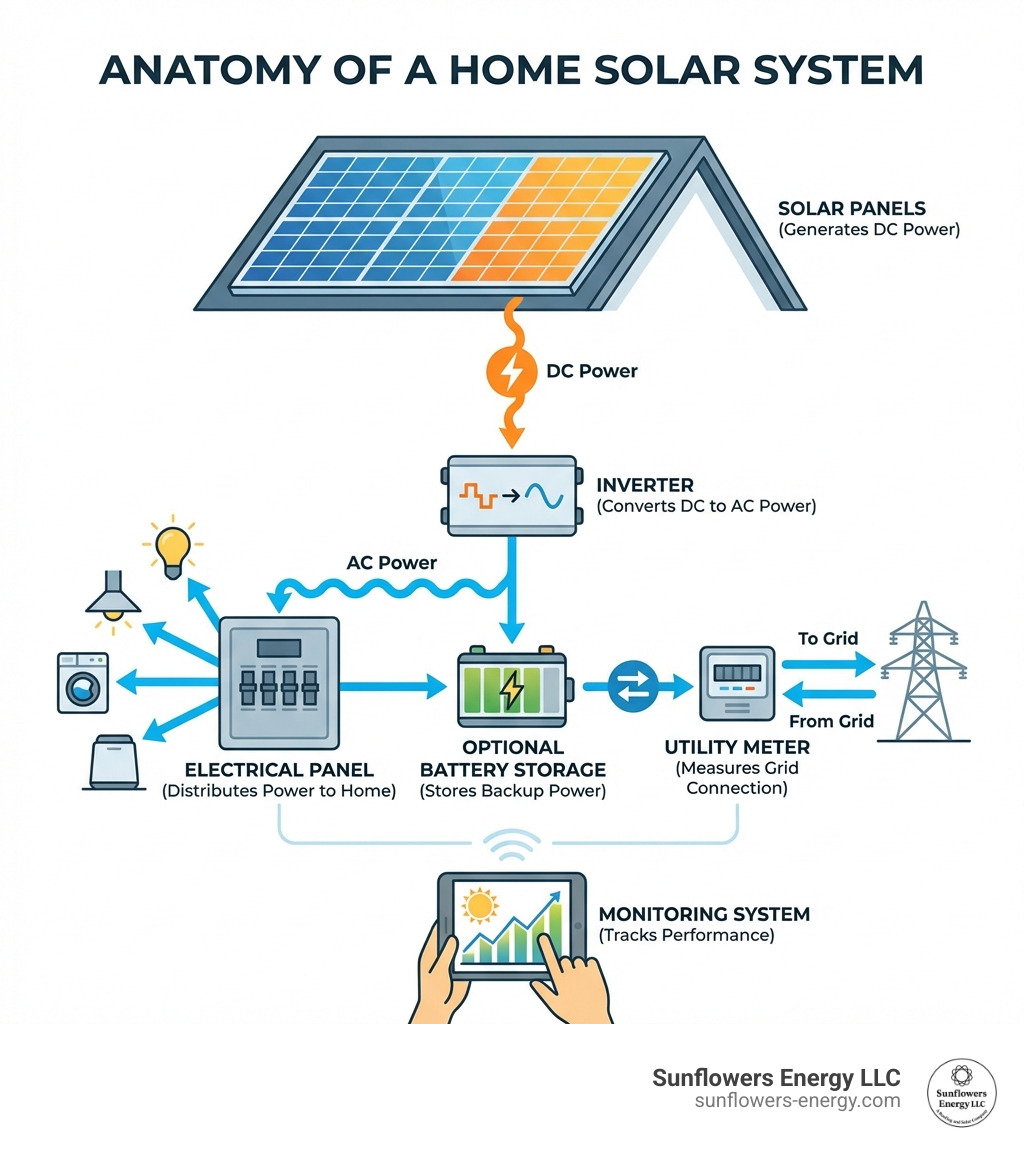
Even though solar panels are incredibly robust, they’re not entirely immune to problems. Your home’s solar system is a complex network of components, and while the panels themselves have an extremely low failure rate (around 0.05% according to data from the National Renewable Energy Laboratory), other parts like inverters, wiring, and monitoring systems can sometimes act up. Recognizing the early warning signs can save you a lot of headache and keep your energy savings flowing.
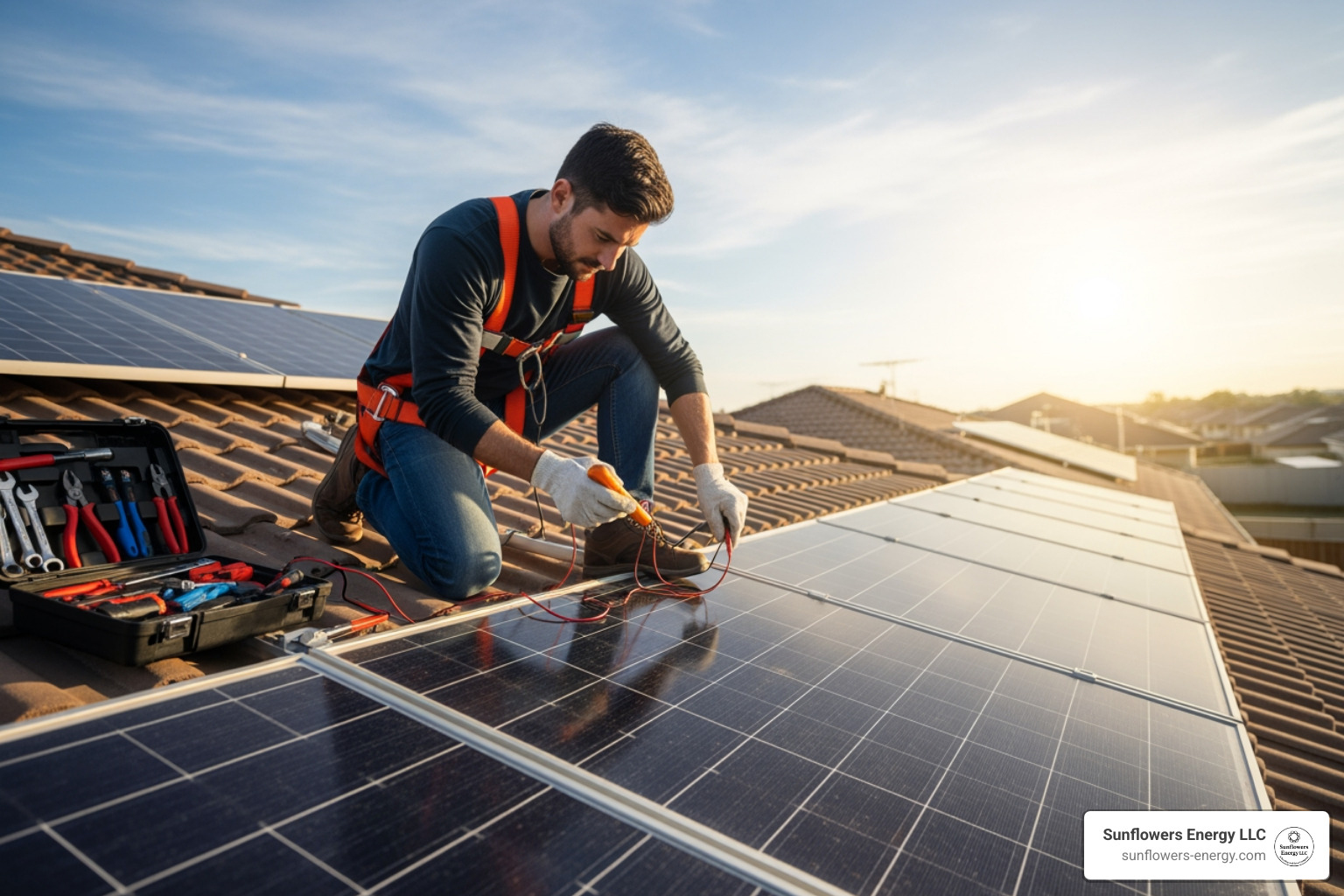
One of the first places to look for trouble is your solar monitoring system. Many modern solar installations come with apps or dashboards that allow you to track your system’s energy production in real-time. If you notice a sudden or gradual performance drop, or if your electricity bills start creeping up unexpectedly, it’s a strong indicator that something might be amiss. Error codes flashing on your inverter or within your monitoring app are also clear red flags. Of course, sometimes the signs are more obvious, like physical damage to the panels themselves.
Telltale Signs Your System Needs Attention
Before calling in a professional, there are a few simple checks you can perform. We always recommend caution, so if you’re not comfortable with heights or electrical components, it’s best to leave it to the pros.
- Visual Inspection: From the ground, look for visible cracks, chips, discoloration, or “snail trails” (uneven coloring indicating cell degradation). Also, check for delamination—a cloudy appearance where protective layers separate.
- Loose Wiring or Critter Nests: Check for dangling wires around your panels or inverter. Animals may nest under your array and chew through wiring.
- Debris Buildup and Shading: A thick layer of dirt, leaves, or bird droppings reduces efficiency. New tree growth or construction can also cast shadows. Homes in dusty or coastal states like Arizona, Florida, or Texas may need more frequent cleaning.
- Inverter Indicator Lights: The inverter converts DC power to AC for your home. Most have status lights. Green is good; red or orange indicates a fault. Note any error codes for the technician.
The 5 Most Common Solar System Repairs
While your solar panels are incredibly reliable, the entire system involves more than just the glass on your roof. According to installers, these are the most common issues that trigger a solar repair service call:
- Monitoring and Software Issues: Surprisingly common, this is often caused by a simple Wi-Fi password change that disconnects your monitoring system. While your panels still produce power, you can’t track it. Poorly configured software can also cause underperformance.
- Inverter Failures: The inverter works hard and generates heat, leading to eventual failure. A broken inverter halts all usable power production from your system. Though designed to last over a decade, they are often the first major component to need replacement.
- Roof Leaks: Poor installation can cause leaks around roof penetrations, a serious issue for your home’s structure. If the leak is due to the original installation, the installer’s workmanship warranty should cover the repair costs.
- Wiring Problems: Issues range from loose connections to animal damage. Faulty wiring can reduce output and create serious fire hazards (arc faults). We recommend critter guards to prevent animal damage.
- Damaged Panels: Though tough, panels can be cracked by severe hail, falling branches, or flying debris. A damaged panel must be replaced to maintain system efficiency and safety.
Environmental Factors and Other Causes
Solar panels in states like Oklahoma, Texas, Florida, Louisiana, Arizona, and Colorado face various environmental challenges.
- Weather Damage: Hail, high winds, and thunderstorms can damage panels or dislodge components. After a severe storm, a visual inspection is recommended.
- Animal Damage: Critters nesting under panels can chew wires, causing power loss and fire hazards. Critter guards are an effective preventative measure.
- System Degradation: Solar panels naturally lose a small amount of efficiency over time (degradation), which is covered by performance warranties. However, a sudden, significant drop in output signals a more serious problem requiring professional repair.
Delaying repairs leads to higher electricity bills, safety hazards, and potentially voided warranties. Proactive care of your long-term solar investment ensures it continues to pay dividends.
The Complete Guide to the Solar Repair Service Process
When you suspect your solar system needs attention, navigating the repair process can seem daunting. But understanding the steps will get your system running efficiently again. We aim to make this process smooth and transparent for homeowners in Arizona, Colorado, Florida, Louisiana, Oklahoma, and Texas.
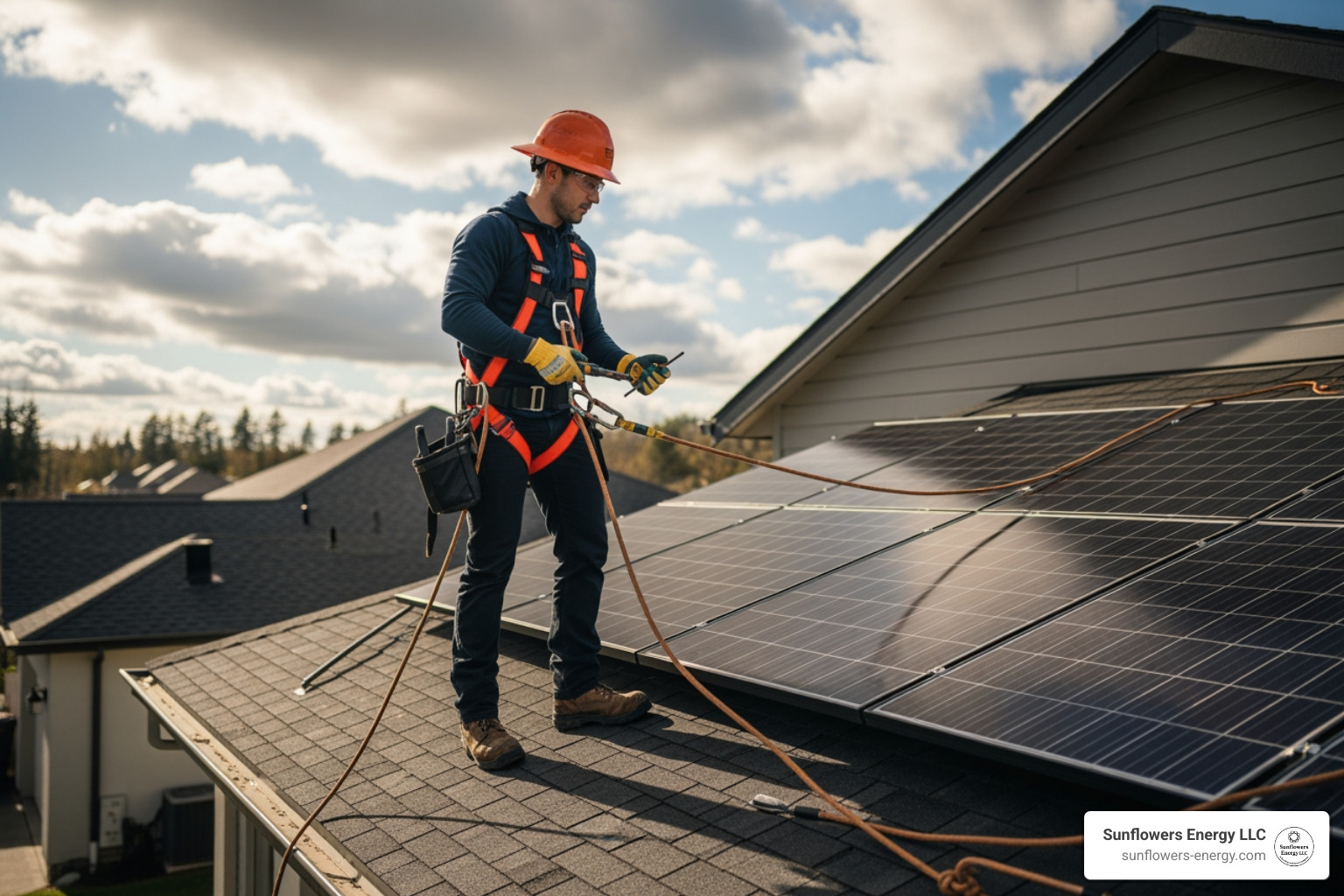
Always work with a reputable, licensed, and insured solar repair service. A certified electrician is crucial for any work involving your home’s electrical grid. Our team includes master electricians and certified solar technicians who understand the unique needs of residential solar systems.
Step 1: Diagnosis – DIY Checks vs. Calling a Pro
Before picking up the phone, there are a few things you can do to help diagnose the issue or even resolve minor problems.
- DIY Maintenance You Can Do:
- Visual Checks: From the ground, regularly inspect panels for damage, debris, or shading, especially after a storm.
- Panel Cleaning: In dusty or coastal areas (like Arizona and Florida), a gentle rinse with a garden hose can restore efficiency. Avoid harsh chemicals.
- Monitoring App Review: Watch your monitoring app for production drops or error messages. If the system is offline, try rebooting your Wi-Fi router first.
- When to Call a Professional:
- Significant Performance Drop: If your energy output drops significantly and consistently, and it’s not due to cloudy weather or heavy shading, it’s time for a professional assessment.
- Error Messages/Inverter Lights: Any persistent error codes on your inverter or within your monitoring system that you can’t resolve with a simple reset require expert attention.
- Physical Damage: If you see cracked panels, exposed wiring, or signs of animal damage, do not attempt to fix it yourself.
- Safety First: Always know the location of your AC and DC disconnect switches. In case of a malfunction or emergency, safely turning off your system should be your first priority. Beyond basic visual checks and cleaning, electrical work or working at heights on a roof should always be handled by trained professionals.
Step 2: Finding and Contacting a Professional
Once you’ve determined that professional help is needed, the next step is finding a reliable solar repair service provider.
- Look for Reputable Companies: Choose a repair company with a solid track record, positive reviews, and a strong local presence. Experience and knowledgeable staff are key.
- Initial Phone Consultation: During an initial call, explain the problem, provide any error codes you’ve noted, and schedule an on-site visit.
- On-Site Inspection and Diagnostic Report: A technician will visit to conduct a thorough inspection, possibly using advanced tools like thermal imaging. This assessment identifies the root cause of the problem. Some companies charge a diagnostic fee, which may cover minor on-the-spot fixes or lead to a clear proposal for larger repairs.
- Repair Proposal and Quote: Following the diagnosis, you should receive a clear proposal detailing the work, parts, and costs. We provide transparent pricing so you understand every aspect of the repair.
Step 3: The On-Site Solar Repair Service and Resolution
Once you’ve approved the repair proposal, the real work begins.
- Scheduling the Work: The repair date and time will be scheduled at your convenience.
- Component Replacement and Repair: Depending on the issue, this could involve replacing a faulty inverter, swapping out damaged panels, fixing wiring issues, or addressing roof penetrations. Our technicians use only high-quality, durable materials, just as we do for our new installations.
- System Testing: After repairs are completed, the system will be thoroughly tested to ensure everything is functioning correctly and producing power optimally.
- Final Approval: Once testing is complete and you’re satisfied with the work, the repair is officially resolved.
- Coordination with Roofers: If you need a new roof, it’s best to choose a company that handles both roofing and solar. We offer integrated services, ensuring a seamless process for panel removal, reroofing, and reinstallation. This protects your warranties and minimizes downtime.
Understanding Solar Repair Costs, Warranties, and Responsibilities
Homeowners often ask about solar repair costs and who is responsible. The answer depends on the problem, your warranty, and how you financed your system.
The average solar repair service costs between $400 and $1,000. This varies based on complexity and parts needed. An on-site visit alone can cost $200-$300, with labor rates for diagnostics and repairs often exceeding $150 per hour.
Breaking Down the Cost of a Solar Repair Service
Let’s unpack where your money might go when your solar system needs attention:
- Diagnostic Fees: This fee for an on-site assessment covers the technician’s time, travel, and specialized equipment to find the problem.
- Labor Costs: Often the largest part of the bill if parts aren’t under warranty. Rates reflect the technician’s skill, especially for complex electrical or roof work.
- Parts and Equipment: The cost of replacement components, from a few hundred dollars to several thousand for a new inverter or battery, will be on the bill.
- Shipping Costs: Specialized parts may need to be ordered, which adds shipping charges.
It’s essential for homeowners to allocate funds for regular upkeep to avoid more expensive repairs down the line. Preventative maintenance can detect problems before they escalate into serious challenges.
Who Pays for Repairs?
The responsibility for solar repair service costs can be shared among you, your installer, and the manufacturer. It really boils down to the cause of the problem:
- Installer Responsibility (Workmanship Warranty): If the issue stems from poor installation (e.g., roof leaks, bad wiring), your installer should cover the repair costs under their workmanship warranty. This highlights the importance of choosing a reputable installer.
- Manufacturer Responsibility (Equipment Warranty): If a component fails due to a manufacturing defect, the equipment warranty should cover the cost of the replacement part.
- Homeowner’s Insurance: Damage from external events like severe weather may be covered by your homeowner’s insurance. Check your policy to confirm your solar system is covered.
- Customer Responsibility: The homeowner typically pays for issues caused by lack of maintenance, accidental damage, or anything not covered by a warranty. Importantly, many warranties cover parts but not the labor for replacement, leaving that cost to the homeowner.
How Warranties Cover Repair Costs
Understanding your solar warranties is key to knowing who pays for what. You generally have several types of warranties:
- Panel Performance Warranty: Guarantees panels will produce a certain percentage of their rated output for 25+ years. The manufacturer replaces them if they fall below this threshold due to defects.
- Equipment Warranty (Inverter, Battery): Covers components like inverters (10-12 years) and batteries (10-20 years). This warranty typically covers the cost of the replacement part, but not labor.
- Installer Workmanship Warranty: Covers the quality of the installation for 10-25 years. Your installer is responsible for fixing issues like roof leaks or faulty wiring caused by their work.
- Labor Cost Coverage: This is often not included. While parts may be covered, the labor for diagnosis and replacement is usually an extra cost. Some premium warranties or service plans do include labor coverage.
When we install solar panels, we use superior materials and provide expert installation, backed by strong warranties that we stand behind, reflecting our commitment to your long-term energy future.
What if You Have a Solar Lease or PPA?
With a solar lease or Power Purchase Agreement (PPA), the responsibility for repairs and maintenance is not yours.
- System Ownership: A third-party company owns, installs, and maintains the system on your roof.
- Repair Responsibility: The system owner (the leasing or PPA company) is responsible for all maintenance and repairs at no cost to you.
- Maintenance Included: Agreements often include proactive monitoring, so the provider may fix issues before you notice them.
- Contacting Your Provider: If you have a problem, contact your lease or PPA provider directly.
This arrangement offers a hands-off approach for homeowners, as all the burden of system upkeep falls on the provider.
Frequently Asked Questions about Solar Panel Repair
We hear a lot of questions about solar panel repairs, and that’s great! It shows you’re engaged with your home’s energy future. Let’s tackle some of the most common inquiries we receive from homeowners in Arizona, Colorado, Florida, Louisiana, Oklahoma, and Texas.
How long do solar panels last before needing repairs?
Solar panels are designed for longevity, with warranties guaranteeing performance for 25 years or more. The National Renewable Energy Laboratory reports an extremely low panel failure rate of about 0.05%.
Most systems operate for a decade or more without major repairs. While panels are durable, other components have different lifespans. Inverters may need replacement after 10-15 years, and batteries typically last 10-20 years.
Can I repair my solar panels myself?
For anything beyond basic cleaning, we strongly advise against DIY repairs due to significant risks:
- Safety Risks: Working on a roof is dangerous, and solar systems carry a risk of severe electrical shock or fire. Do not attempt electrical work yourself.
- Voiding Warranties: Unauthorized repairs will void most manufacturer and installer warranties, leaving you to pay for parts that would have been covered.
- Complexity: Repairing inverters, wiring, or other components requires special training and tools. A simple-seeming issue could be a symptom of a larger problem.
Beyond simple cleaning, always contact a professional solar repair service. Our certified technicians have the training and safety protocols to do the job correctly.
What happens if my original solar installer went out of business?
It’s an unfortunate but common scenario for a solar installer to go out of business, leaving you with an “orphaned system.” Don’t panic; your system can still be serviced.
- Manufacturer Warranties Still Valid: Your equipment warranties for panels and inverters remain valid even if your installer is gone. The manufacturer will honor their product warranty, though you may need proof of purchase.
- Finding a New Service Provider: Many companies, including ours, specialize in servicing orphaned systems. We are equipped to diagnose, repair, and restore systems installed by others, leveraging our dual expertise in roofing and solar.
- Third-Party Repair Companies: Reputable third-party repair companies can provide diagnostics, repairs, and maintenance. Look for certified technicians, positive reviews, and clear pricing. They can also help with manufacturer warranty claims.
The key is to find a trusted partner for long-term support to ensure your investment continues to pay off.
Conclusion: Protecting Your Solar Investment for the Long Haul
Your solar system is a powerful asset for clean energy and savings. While durable, understanding solar repair service is key to maximizing your investment. This guide covered identifying problems, the repair process, and financial responsibilities.
Proactive monitoring and timely repairs are key. By staying vigilant and knowing when to call an expert, you ensure your system performs optimally.
At Sunflowers Energy, we believe in providing superior materials and expert installation, ensuring durable, energy-efficient homes. We offer comprehensive solutions, from initial solar installation to ongoing maintenance and expert solar repair service across Arizona, Colorado, Florida, Louisiana, Oklahoma, and Texas. We are your long-term partner, committed to supporting your energy independence.
Want to learn more about the value of solar for your home? Check out our guide: Is Solar Worth It? A Comprehensive Guide to Home Solar Panel Costs.
If you suspect your system needs attention, or if you’re considering a new solar installation or roofing project, we offer free, no-obligation onsite inspections. Let us help you protect your investment and ensure your system performs at its best.

One Response