
What is a sustainable roof? Cut energy use 20% in 2026
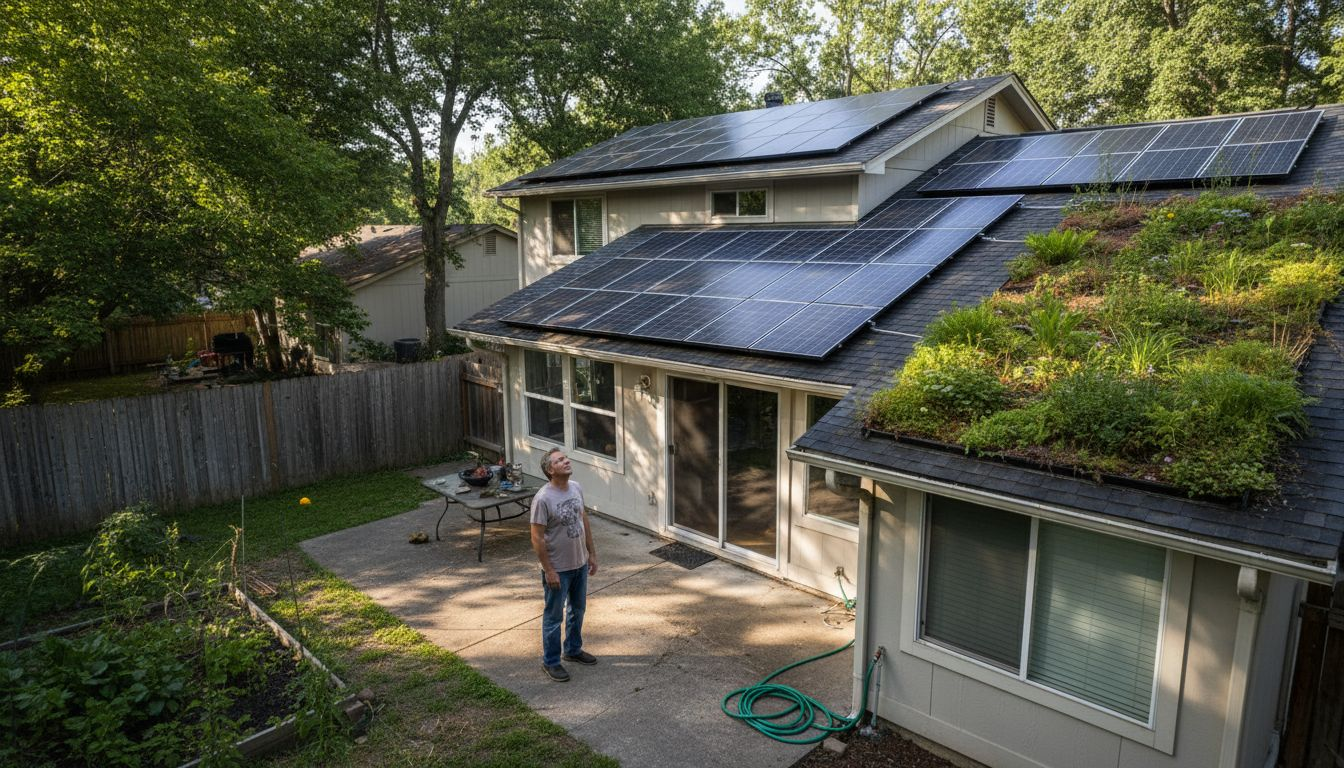
Many homeowners assume sustainable roofs are expensive and fragile, but research reveals a different story. Modern sustainable roofing systems last over 40 years while cutting cooling costs by up to 20%. This guide explains what makes a roof truly sustainable, the materials that deliver performance, and how you can reduce energy bills while protecting the environment. You’ll learn practical cost comparisons, maintenance strategies, and how to choose the right sustainable roofing solution for your property.
Table of Contents
- Introduction To Sustainable Roofing
- How Sustainable Roofs Improve Energy Efficiency
- Sustainable Roofing Materials And Their Environmental Impact
- Common Misconceptions About Sustainable Roofs
- Cost Benefits And Long-Term Savings Of Sustainable Roofing
- Discover Sustainable Roofing Solutions With Sunflowers Energy
- Frequently Asked Questions About Sustainable Roofs
Key takeaways
| Point | Details |
|---|---|
| Sustainable roofs combine eco-friendly materials, energy efficiency, and durability to reduce environmental impact. | They use recycled content, reflective coatings, and insulation to lower energy use. |
| Cool roofing technology reflects sunlight and can reduce roof temperatures by up to 40°F. | This cuts cooling energy consumption by 10-20% in warm climates. |
| Recycled and renewable materials lower embodied carbon by up to 40% compared to asphalt shingles. | This reduces the environmental footprint of manufacturing and transport. |
| Long-term costs favor sustainable roofs due to energy savings and extended lifespan. | Payback periods range from 5 to 15 years depending on climate and materials. |
| Proper maintenance extends roof life and manages costs effectively. | Regular inspections and minor repairs prevent major expenses. |
Introduction to sustainable roofing
A sustainable roof uses eco-friendly materials, energy-saving design, and durable construction to minimize environmental impact while maximizing performance. Unlike traditional roofs that focus solely on weatherproofing, sustainable systems balance ecological responsibility with cost effectiveness and long-term resilience. These roofs integrate three core attributes: material sustainability through recycled or renewable content, energy efficiency via reflective surfaces and insulation, and lifecycle durability that extends replacement intervals.
Traditional asphalt shingle roofs typically last 15 to 25 years and absorb heat, increasing cooling demands. Sustainable alternatives use materials like metal, recycled rubber, or vegetative layers that reflect sunlight and provide superior insulation. This shift reduces energy consumption, lowers utility bills, and cuts greenhouse gas emissions from heating and cooling systems.
For homeowners and property managers, sustainable roofing delivers tangible benefits:
- Lower monthly energy bills through reduced heating and cooling needs
- Enhanced indoor comfort with better temperature regulation
- Reduced environmental footprint by lowering carbon emissions
- Increased property value from energy-efficient upgrades
- Long-term cost savings from extended roof lifespan
Understanding these fundamentals helps you evaluate options and make informed decisions. The following sections explore how sustainable roofs achieve energy savings, the materials that enable performance, and the financial advantages you can expect.
How sustainable roofs improve energy efficiency
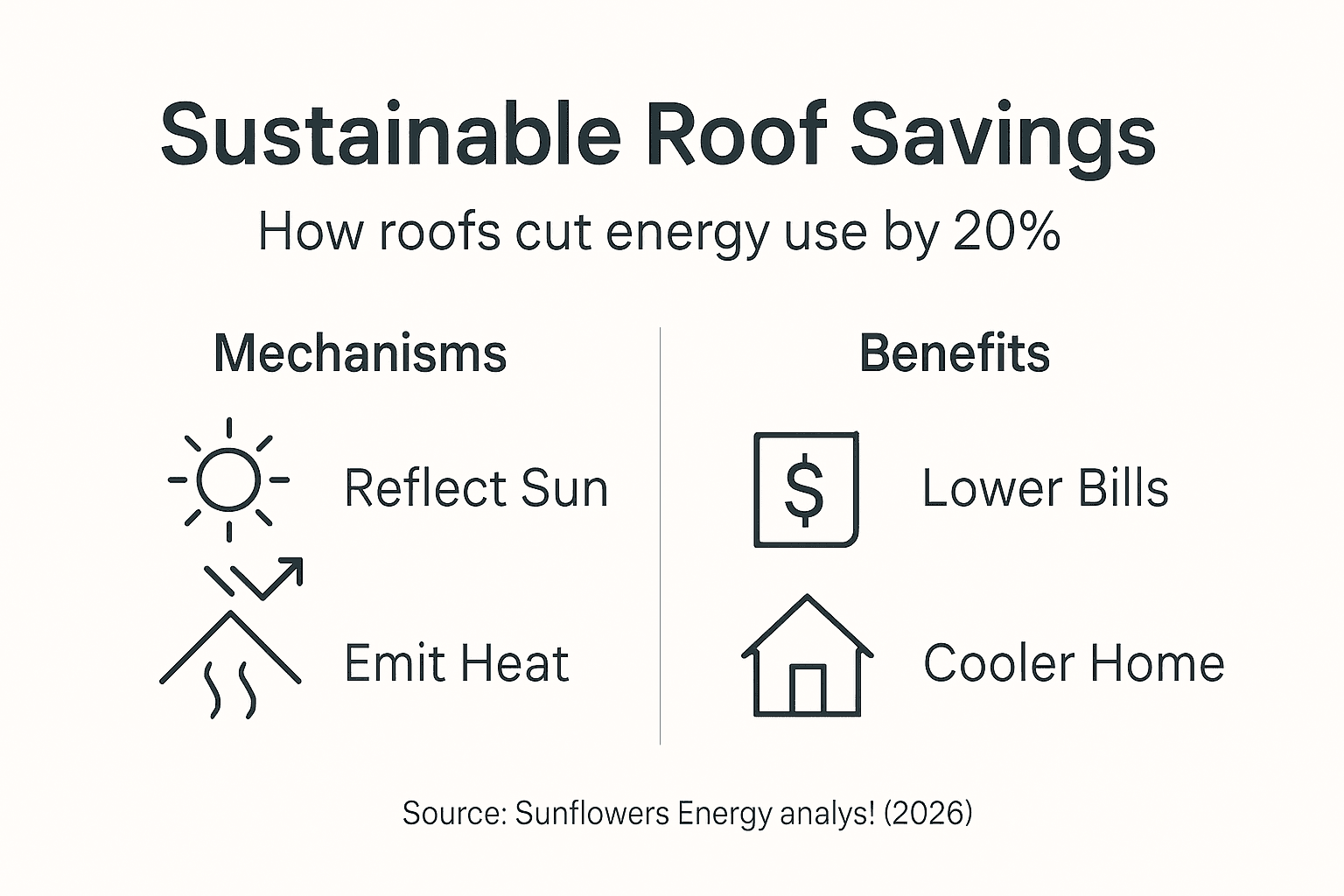
Sustainable roofs reduce energy consumption through three primary mechanisms: solar reflectance, thermal emittance, and enhanced insulation. These features work together to keep buildings cooler in summer and better insulated in winter, cutting HVAC energy use significantly.
Cool roofing materials reflect sunlight rather than absorbing it. Traditional dark asphalt shingles absorb up to 90% of solar radiation, raising roof surface temperatures to 150°F or higher on hot days. In contrast, cool roofing materials can reduce roof surface temperatures by up to 30-40°F and lower cooling energy use by 10-20%. This reduction directly translates to lower air conditioning costs and improved comfort.
Thermal emittance complements reflectance by releasing absorbed heat quickly. Materials with high emittance radiate heat back to the sky rather than transferring it into the building. Metal roofs with reflective coatings, light-colored tiles, and specially formulated shingles combine both properties for maximum energy savings.
Enhanced insulation beneath the roof surface creates a thermal barrier that stabilizes indoor temperatures. Sustainable roofing systems often include upgraded insulation layers or integrated air gaps that prevent heat transfer. This improvement reduces temperature swings, making HVAC systems more efficient and extending their lifespan.
Key energy efficiency benefits include:
- Reduced peak cooling demand during hot afternoons
- Lower electricity bills from decreased air conditioning use
- Improved indoor comfort with fewer temperature fluctuations
- Extended HVAC system life due to reduced workload
- Lower carbon emissions from reduced energy consumption
Energy Savings Example: A typical 2,000-square-foot home in a warm climate spends $1,200 annually on cooling. Installing a cool roof can save $120 to $240 per year on cooling costs alone.
For homeowners interested in maximizing efficiency, combining sustainable roofing with solar panels creates a powerful energy-saving system. The DOE cool roofs guide provides detailed specifications and climate-specific recommendations.
Sustainable roofing materials and their environmental impact
Material selection determines both environmental performance and long-term durability. The most effective sustainable roofing materials balance low embodied carbon, high recyclability, and extended lifespan to minimize total environmental impact.
Green roofs feature vegetation layers that provide natural insulation, absorb stormwater, and reduce urban heat island effects. These living systems lower roof temperatures, filter rainwater, and create habitat for birds and insects. However, they require structural support and regular maintenance including irrigation and plant care.
Recycled metal roofing uses aluminum or steel containing 25% to 95% recycled content. Metal roofs reflect sunlight effectively, last 40 to 70 years, and remain fully recyclable at end of life. They work well in all climates and require minimal maintenance beyond occasional cleaning.

Reclaimed wood and sustainably harvested wood shakes offer natural beauty with lower carbon footprints when sourced responsibly. Cedar and redwood naturally resist decay, though they require periodic treatment to maintain fire resistance and appearance.
Recycled or rapidly renewable roofing materials reduce embodied carbon by up to 40% compared to asphalt shingles. Embodied carbon accounts for greenhouse gas emissions from material extraction, manufacturing, transportation, and installation. Lower embodied carbon materials create less environmental impact before they even reach your property.
| Material | Recycled Content | Lifespan | Key Benefit |
|---|---|---|---|
| Metal roofing | 25-95% | 40-70 years | Highly reflective and recyclable |
| Recycled rubber | 80-100% | 30-50 years | Excellent durability and insulation |
| Green roofs | Variable | 40-60 years | Stormwater management and habitat |
| Wood shakes | 0-20% | 20-40 years | Natural aesthetics and carbon storage |
| Clay/concrete tiles | 10-30% | 50-100 years | Extremely long lifespan |
Climate and local priorities influence material selection. Hot, sunny regions benefit most from reflective metal or light-colored tiles. Wet climates require materials resistant to moisture and moss growth. Urban areas may prioritize green roofs for stormwater management.
Pro Tip: Check local building codes and HOA requirements before selecting materials. Some communities restrict certain roof types or colors, while others offer incentives for sustainable choices.
Material durability directly affects sustainability. A roof lasting 50 years creates less waste and uses fewer resources than one replaced every 20 years. Consider both upfront embodied carbon and long-term replacement cycles when evaluating options. The roofing materials embodied carbon research provides detailed lifecycle comparisons.
Common misconceptions about sustainable roofs
Several persistent myths prevent homeowners from choosing sustainable roofing options. Understanding the facts helps you make confident decisions based on evidence rather than outdated assumptions.
Myth: Sustainable roofs always cost more upfront. Reality shows that metal roofing and recycled rubber often have comparable installation costs to premium asphalt shingles. While green roofs require additional structural support, many sustainable materials match or undercut traditional premium options. Total cost over the roof’s lifespan typically favors sustainable choices due to energy savings and reduced replacement frequency.
Myth: Eco-friendly materials are fragile and require constant repairs. Modern sustainable roofing materials meet or exceed durability standards for traditional roofs. Metal roofs withstand extreme weather including high winds and hail. Recycled rubber resists cracking and splitting better than asphalt. Many sustainable materials last 40 to 70 years compared to 15 to 25 years for standard asphalt shingles.
Myth: Sustainable roofs need specialized, expensive maintenance. Most sustainable materials require less maintenance than traditional roofs. Metal roofing needs only occasional cleaning and gutter maintenance. Green roofs do require plant care, but this work is straightforward and can be handled by property managers or landscaping services. Regular inspections and minor repairs extend any roof’s lifespan, regardless of material type.
Myth: Sustainable options sacrifice curb appeal. Today’s sustainable roofing materials come in diverse colors, textures, and styles that match any architectural design. Metal roofs mimic traditional shingles, tiles, or standing seam patterns. Recycled rubber shingles replicate slate or wood shake appearances. Green roofs add unique visual interest while blending with natural surroundings.
Key facts to remember:
- Sustainable roofs often cost similar or less than premium traditional materials
- Durability typically exceeds conventional roofing by 20 to 50 years
- Maintenance requirements are comparable or lower for most sustainable materials
- Aesthetic options match any architectural style and design preference
- Long-term financial benefits include energy savings and extended replacement cycles
Addressing these misconceptions removes barriers to adoption. The next section provides detailed cost comparisons to support your decision-making process.
Cost benefits and long-term savings of sustainable roofing
Financial analysis reveals that sustainable roofs deliver superior value through lower energy bills, reduced maintenance costs, and extended lifespans. Understanding the numbers helps you evaluate true return on investment.
Upfront costs vary by material type and installation complexity. Metal roofing typically costs $7 to $12 per square foot installed, comparable to premium asphalt shingles at $5 to $10 per square foot. Recycled rubber runs $8 to $14 per square foot, while green roofs range from $10 to $25 per square foot due to structural and planting requirements.
Energy savings accumulate steadily. Cool roofs reduce cooling costs by 10% to 20% annually in warm climates. For a home spending $1,200 yearly on cooling, this saves $120 to $240 every year. Over a 40-year metal roof lifespan, total energy savings reach $4,800 to $9,600, often exceeding the premium paid for sustainable materials.
Maintenance costs drop significantly. Asphalt shingles require repairs or replacement every 15 to 25 years, creating recurring expenses. Sustainable materials like metal or recycled rubber need minimal maintenance and last 40 to 70 years, eliminating at least one replacement cycle. This avoids $10,000 to $20,000 in additional roofing costs over the same period.
Payback periods depend on climate, energy prices, and material choice. In hot climates with high cooling costs, cool roofs pay back initial premiums in 5 to 10 years. In moderate climates, payback extends to 10 to 15 years. Green roofs with higher upfront costs may take 15 to 20 years but provide additional benefits like stormwater management and increased property value.
| Roof Type | Upfront Cost per Sq Ft | Annual Energy Savings | Lifespan | Total 40-Year Cost |
|---|---|---|---|---|
| Asphalt shingles | $5-10 | $0 | 20 years | $20,000-40,000 |
| Metal roofing | $7-12 | $120-240 | 50 years | $14,000-23,000 |
| Recycled rubber | $8-14 | $80-160 | 40 years | $16,000-28,000 |
| Green roof | $10-25 | $150-300 | 50 years | $20,000-50,000 |
Total 40-year cost includes initial installation, one replacement for asphalt, and cumulative energy savings. These calculations demonstrate that sustainable materials often cost less over time despite higher upfront investment.
Pro Tip: Many utility companies and local governments offer rebates for cool roofs or green roofs. Check for incentives that can reduce upfront costs by 10% to 30%.
Long-term ROI extends beyond direct savings. Energy-efficient homes command higher resale values, with buyers willing to pay premiums for lower operating costs. Solar roofing systems combine renewable energy generation with sustainable roofing for even greater financial returns. Property managers benefit from reduced tenant turnover when buildings offer superior comfort and lower utility bills.
Discover sustainable roofing solutions with Sunflowers Energy
Ready to reduce energy costs and protect your property with sustainable roofing? Sunflowers Energy specializes in eco-friendly roofing solutions tailored to your climate, budget, and aesthetic preferences. Our experts help you select materials that maximize energy savings while enhancing your home’s durability and value.
We combine sustainable roofing with solar energy systems to deliver comprehensive solutions that cut energy bills and carbon emissions. Our team provides free onsite inspections to assess your current roof, identify opportunities for improvement, and recommend materials that fit your goals. From reflective metal roofing to integrated solar installations, we handle every aspect of your project with premium materials and reliable service.
Explore our sustainable roofing solutions to discover options for residential and commercial properties. Contact us today to schedule your free roof inspection and start saving with a sustainable roof designed for your needs.
Frequently asked questions about sustainable roofs
How long does it take for a sustainable roof to pay for itself?
Payback periods range from 5 to 15 years depending on your climate, energy costs, and material choice. Homes in hot climates with high cooling expenses see faster returns, often within 5 to 8 years. Cooler regions may take 12 to 15 years, but total lifetime savings still exceed upfront premiums.
What maintenance do sustainable roofs require?
Metal and recycled rubber roofs need only periodic cleaning and gutter maintenance, similar to traditional roofs. Green roofs require seasonal plant care including watering, weeding, and occasional replanting. Annual inspections for all roof types catch minor issues before they become expensive repairs.
Do sustainable roofs last longer than asphalt shingles?
Yes, most sustainable materials significantly outlast asphalt. Metal roofs last 40 to 70 years, recycled rubber lasts 30 to 50 years, and green roofs can extend 40 to 60 years with proper maintenance. Asphalt shingles typically last only 15 to 25 years, requiring replacement twice as often.
Can I install a sustainable roof on my existing home?
Most sustainable roofing materials work with existing structures. Metal, recycled rubber, and reflective shingles install over standard roof framing. Green roofs may require structural assessment and reinforcement to support additional weight. A professional inspection determines compatibility and any necessary modifications.
What environmental benefits do sustainable roofs provide beyond energy savings?
Sustainable roofs reduce stormwater runoff, lower urban heat island effects, and decrease landfill waste through recyclable materials. Green roofs create habitat for pollinators and birds while improving air quality. Using recycled content reduces demand for virgin materials and associated environmental impacts from extraction and manufacturing.
Recommended
- Why Choose Solar Roofing: Savings, Durability, Value – Sunflowers Energy LLC A Roofing and Solar Companys
- Benefits of Solar Roofing: Transforming Home Efficiency – Sunflowers Energy LLC A Roofing and Solar Companys
- 6 ventajas clave de techos solares en 2026 para hogares – Sunflowers Energy LLC A Roofing and Solar Companys
- 7-Step Solar Roofing Checklist for Urban Homeowners – Sunflowers Energy LLC A Roofing and Solar Companys

2 Responses