The Ultimate Roofing Materials Checklist for Sustainable Homes
TL;DR:
- Sustainable roofing materials like metal, tile, and green roofs offer long-term durability and energy savings.
- Proper assessment of climate, structure, certifications, and installer quality is essential for optimal performance.
- Ongoing maintenance and understanding end-of-life recyclability are crucial for maximizing the benefits of sustainable roofs.
Picking the right roofing material is one of the most consequential decisions you’ll make for your home or commercial property. It goes far beyond curb appeal. Sustainable roofing materials prioritize longevity of 50 or more years for metal and tile, high recycled content, energy efficiency through cool roof properties, and end-of-life recyclability. Get it right and you protect your investment for decades while cutting energy costs. Get it wrong and you’re looking at premature replacements, missed incentives, and higher utility bills. This guide walks you through a practical checklist, breaks down the top materials, and helps you compare your options so you can make a confident, informed decision.
Table of Contents
- Essential criteria for your roofing materials checklist
- Top sustainable roofing materials explained
- How cool roofs and green roofs boost energy efficiency
- Roofing materials at a glance: head-to-head comparison
- Our take: Beyond the checklist—what really matters
- Next steps: Partnering for a truly efficient roof
- Frequently asked questions
Key Takeaways
| Point | Details |
|---|---|
| Know your criteria | Assess roof slope, energy certifications, incentives, and installer expertise before you choose a material. |
| Compare materials head-to-head | Review side-by-side data like lifespan, SRI, and sustainability features to match the best option to your building. |
| Factor in energy efficiency | Cool and green roofs can dramatically reduce energy costs, but require special considerations and maintenance. |
| Long-term value over upfront cost | Focus on materials and systems that save money and help the environment over their lifespan—not just on day one. |
Essential criteria for your roofing materials checklist
With the importance of sustainable options established, here’s how to evaluate what’s best for your property. A structured checklist keeps you from making costly assumptions and ensures every critical factor gets the attention it deserves.
Here are the six essential steps every homeowner and property manager should work through before committing to a material:
- Assess your climate and roof slope. Hot, sunny climates benefit most from cool roof materials with high solar reflectance. Steep slopes handle water runoff differently than low-slope commercial roofs, and not every material performs equally across both.
- Verify CRRC and ENERGY STAR ratings. The Cool Roof Rating Council (CRRC) and ENERGY STAR labels confirm a product meets tested energy performance standards. These certifications are your first filter for any material claiming energy efficiency.
- Check recycled content and warranties. A product with 30% post-consumer recycled content and a 50-year warranty tells a very different story than one with neither. Warranties also signal manufacturer confidence in the product.
- Evaluate structural load capacity. Green roofs and clay tile are significantly heavier than metal or composite shingles. Your building’s structure must be rated to handle the added weight before you commit.
- Confirm available incentives. The Inflation Reduction Act Section 25C offers federal tax credits for qualifying energy-efficient upgrades. Utility rebates and local programs can stack on top of that. Always verify CRRC and ENERGY STAR ratings before applying for incentives.
- Select certified installers with local references. Even the best material underperforms with poor installation. Ask for references from jobs in your region and verify contractor certifications.
Edge cases matter here. In cold climates, highly reflective cool roofs can create a “heating penalty” during winter months by reflecting solar heat you actually want to capture. Green roofs require structural reinforcement and ongoing irrigation systems. Both cool and green roofs need more active maintenance than standard asphalt shingles.
“A checklist approach to sustainable roofing isn’t just about making a smart purchase today. It’s about protecting your investment for the next 30 to 50 years while maximizing energy savings along the way.”
Understanding energy-efficient roofing benefits before you shop puts you in a much stronger negotiating position with contractors. And knowing sustainable roofing’s role in long-term property value helps you justify the upfront investment to stakeholders or lenders.
Pro Tip: Always ask your installer for CRRC certification documentation and at least three local references from projects completed in the past two years.
Top sustainable roofing materials explained
Once you understand the criteria, explore how today’s leading sustainable materials measure up. Each option has real strengths and real limitations. Knowing both helps you match the material to your specific building and goals.
- Metal roofing: Metal roofs offer longevity of 50 or more years and often contain 25% to 95% recycled content depending on the alloy. They’re lightweight, fire-resistant, and highly recyclable at end of life. The downside is noise during heavy rain and a higher upfront cost than asphalt.
- Clay and concrete tile: These materials are incredibly durable and naturally resistant to fire, rot, and insects. Lifespan often exceeds 50 years. The major limitation is weight. Clay and concrete tile can weigh two to four times more than asphalt shingles, requiring structural reinforcement in many homes.
- Slate roofing: Natural slate is one of the most beautiful and long-lasting options available, with some installations lasting over 100 years. It’s a natural material with minimal processing. The trade-off is cost. Slate is among the most expensive roofing options and requires specialized installers.
- Cool roof coatings: Applied over existing roof surfaces, cool roof coatings use reflective pigments to bounce solar energy away from the building. They can reduce rooftop temperatures significantly and are a cost-effective retrofit option for commercial flat roofs.
- Green and living roofs: These systems layer soil and vegetation over waterproof membranes to provide natural insulation and stormwater management. They’re exceptional for urban heat island reduction but require irrigation, drainage systems, and structural support.
- Composite shingles: Made from a blend of recycled materials including rubber and plastic, composite shingles mimic the look of slate or wood shake. Recycled content varies widely by manufacturer, so always ask for documentation.
Learning about eco-friendly roofing tips can help you narrow your shortlist before you even speak with a contractor.
Pro Tip: Don’t overlook roof color. Lighter shades significantly improve solar reflectance on any material, boosting your SRI (Solar Reflectance Index) score without switching products.
How cool roofs and green roofs boost energy efficiency
Looking deeper into performance, here’s why cool and green roofs are rising stars for sustainability. Both systems go beyond basic weather protection to actively reduce your building’s energy load.
Cool roofs work by reflecting sunlight and emitting absorbed heat back into the atmosphere. To qualify under CRRC and ENERGY STAR standards, materials typically need an initial solar reflectance of 0.65 or higher. That means 65% or more of solar energy bounces off the surface rather than heating your building. The result is measurable. Buildings with cool roofs can see cooling energy reductions of 10% to 30% in hot climates.
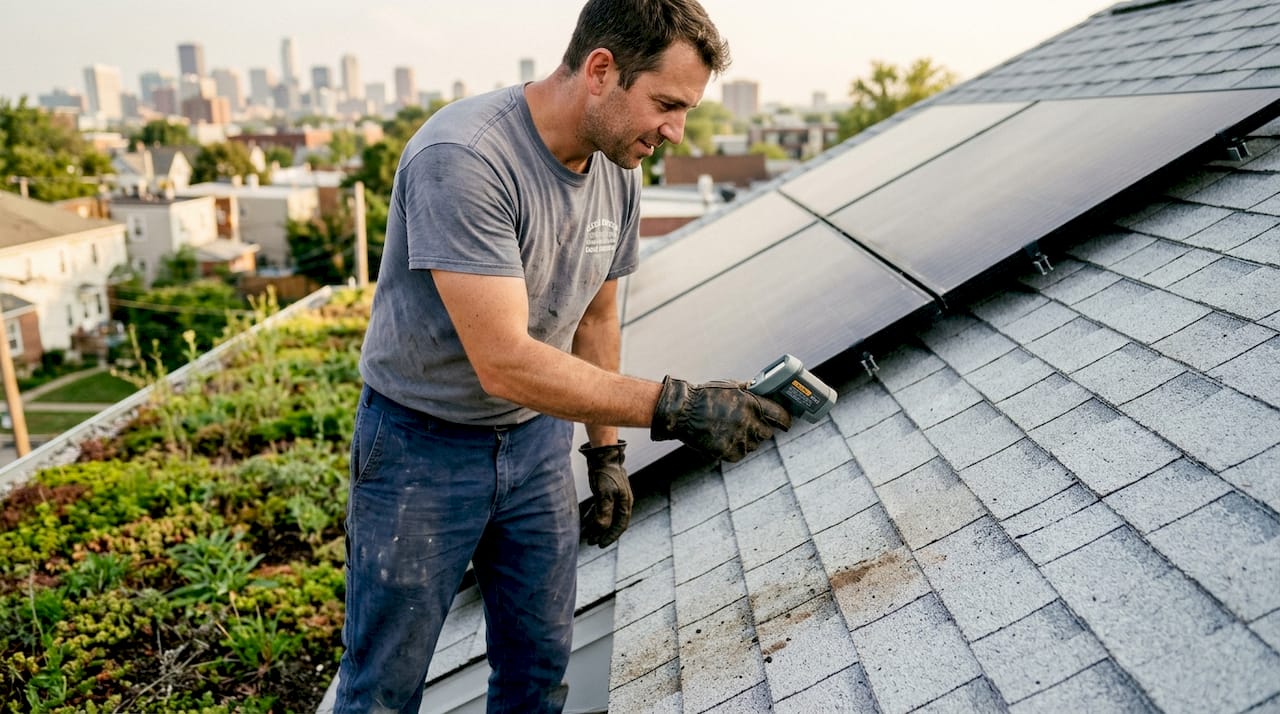
Green roofs take a different approach. Instead of reflecting heat, they absorb it through vegetation and soil layers, which also release moisture through evapotranspiration. This creates a natural cooling effect. Cool roof and green roof systems each have distinct structural and maintenance requirements that must be planned for from the start.
| Feature | Cool Roof | Green Roof |
|---|---|---|
| Primary energy benefit | Reflects solar heat | Insulates and cools via vegetation |
| Structural load added | Minimal | Significant (60 to 150 lbs per sq ft) |
| Maintenance needs | Periodic cleaning to maintain SRI | Regular irrigation and plant care |
| Best climate | Hot, sunny regions | Urban areas, moderate climates |
| Typical ROI timeline | 3 to 7 years | 10 to 15 years |
Here are a few practical considerations for each system:
- Cool roofs lose SRI performance over time as dirt and algae accumulate. Periodic cleaning restores reflectance.
- Green roofs require a reliable irrigation source and drainage layers to prevent waterlogging.
- Both systems may qualify for utility rebates or municipal incentives depending on your location.
“In cold climates, a highly reflective cool roof can work against you in winter by reflecting the solar warmth your heating system is trying to capture. Always factor in your full annual climate cycle.”
Understanding roofing’s impact on energy and solar performance is especially important if you’re planning to add solar panels. The roof condition and material affect panel efficiency directly. Reviewing how roofs reduce energy costs gives you a clearer picture of the combined savings potential. And if solar is in your future, check roof durability for solar panels before you finalize your material choice.
Roofing materials at a glance: head-to-head comparison
You’ve seen individual material profiles. Now compare them side by side to find your best fit. This table summarizes the key comparison factors including longevity, recycled content, SRI, structural load, and maintenance needs.
| Material | Lifespan | Recycled Content | SRI Rating | Structural Load | Maintenance |
|---|---|---|---|---|---|
| Metal | 50+ years | 25% to 95% | High (varies by color) | Low | Low |
| Clay/Concrete Tile | 50+ years | Low to moderate | Moderate | High | Low |
| Slate | 75 to 100+ years | None (natural) | Moderate | High | Low |
| Cool Roof Coating | 10 to 20 years | Varies | Very high (0.65+) | None added | Moderate |
| Green/Living Roof | 30 to 50 years | N/A | Low (covered) | Very high | High |
| Composite Shingles | 30 to 50 years | Varies by brand | Moderate | Low | Low |
Here’s a quick guide to matching materials to your situation:
- Hot, dry climates: Cool roof coatings or light-colored metal roofing deliver the best energy savings.
- Wet or humid climates: Metal and slate resist moisture and algae better than composite options.
- Urban commercial buildings: Green roofs offer stormwater management benefits that may qualify for municipal credits.
- Budget-conscious upgrades: Composite shingles with recycled content offer a lower entry cost with solid performance.
- Solar panel installations: Metal and composite shingles are easiest to work with during panel mounting.
Warranty terms matter as much as material specs. A 30-year warranty from a certified manufacturer protects your investment far better than an uncertified product with a 10-year guarantee. Exploring roof and solar savings strategies together can help you optimize both systems from day one.
Our take: Beyond the checklist—what really matters
After years of working on roofing upgrades across residential and commercial properties, we’ve noticed something consistent. Homeowners spend hours comparing material specs and almost no time vetting installer quality or planning for maintenance. That’s where most sustainable roofing projects fall short.
A premium metal roof installed poorly will underperform a mid-grade composite installed by an experienced, certified crew. Warranties are only as good as the company standing behind them. Always check that your installer is manufacturer-certified, not just licensed.
There’s also a temptation to assume that “sustainable” automatically means greener. It doesn’t always. If your region lacks metal or composite recycling infrastructure, the end-of-life recyclability benefit disappears on paper. Ask your contractor what happens to the old material when your roof is eventually replaced.
Finally, budget for maintenance from day one. A green roof without a proper irrigation budget becomes a liability. A cool roof that’s never cleaned loses its SRI advantage within a few years. Reviewing advanced eco-friendly roofing tips can help you build a realistic long-term maintenance plan.
Pro Tip: Set aside 1% to 2% of your roof’s installed cost annually for maintenance. It’s a small investment that protects a very large one.
Next steps: Partnering for a truly efficient roof
If you want help turning your checklist into action, here’s how you can get started with professionals who know both roofing and solar inside and out.
At Sunflowers Energy, we handle the full picture. From evaluating your current roof’s condition to recommending premium, energy-efficient materials and guiding you through available federal and local incentives, we make the process straightforward. Our team helps you review solar installation steps alongside your roofing upgrade so both systems work together from day one. Whether you’re focused on energy-efficient roofing solutions or a full property sustainability upgrade, we offer free onsite inspections and personalized quotes. Reach out to our expert roofing services team today and let’s build a roof that protects your home and powers your future.
Frequently asked questions
What is the most sustainable roofing material?
Metal roofs are typically the most sustainable option due to their high recycled content, lifespan of 50 or more years, and full recyclability at end of life.
How do I know if a roof is energy-efficient?
Look for CRRC and ENERGY STAR labels on the product, and confirm the material has a high solar reflectance and SRI value above 0.65 for cool roof performance.
Are green roofs practical for all buildings?
Green roofs require significant structural load capacity and proper drainage systems, so older or lighter-framed buildings often need costly reinforcement before they qualify.
Do sustainable roofs require more maintenance?
Maintenance needs vary by material. Green roofs need regular irrigation and plant care, while metal and slate require very little beyond periodic inspections.
Recommended
- Evaluate roofing materials for solar: durability guide – Sunflowers Energy LLC A Roofing and Solar Companys
- Eco-friendly roofing tips for sustainable homes in 2026 – Sunflowers Energy LLC A Roofing and Solar Companys
- Sustainable roofing benefits: cut costs, boost value – Sunflowers Energy LLC A Roofing and Solar Companys
- 7-Step Solar Roofing Checklist for Urban Homeowners – Sunflowers Energy LLC A Roofing and Solar Companys
- Casa Verde: Cum obții finanțare pentru panouri solare acasă

2 Responses