
Facing unpredictable storms and rising utility bills, Midwest homeowners are searching for practical ways to protect their homes and cut monthly costs. Choosing residential solar power offers more than just lower energy expenses. It supports a resilient household, improves energy efficiency, and reduces dependence on traditional grid electricity. This guide explains how residential solar power works, clarifies system options, and highlights critical factors to consider for lasting savings and smart roof upgrades.
Table of Contents
- Residential Solar Power Defined and Demystified
- Types of Residential Solar Solutions Available
- How Home Solar Panels Work and Key Features
- Financial Benefits and Return on Investment
- Environmental Impact and Energy Independence
- Costs, Incentives, and Common Pitfalls to Avoid
Key Takeaways
| Point | Details |
|---|---|
| Residential Solar Power Technology | Converts sunlight into electricity using photovoltaic systems, offering homeowners energy independence and cost savings. |
| Types of Solar Systems | Options include grid-tied, off-grid, hybrid, and building-integrated photovoltaics, catering to various energy needs and locations. |
| Financial Benefits | Solar investments can significantly reduce electricity bills and increase property value, with payback periods typically between 7-12 years. |
| Environmental Impact | Adoption of residential solar helps reduce carbon emissions and dependence on fossil fuels, contributing to a sustainable energy future. |
Residential Solar Power Defined and Demystified
Residential solar power transforms sunlight into electricity directly at your home, providing a sustainable alternative to traditional grid electricity. This technology harnesses photovoltaic systems to convert solar radiation into usable electrical energy, empowering homeowners to generate their own clean power.
At its core, residential solar power involves installing photovoltaic panels on rooftops or ground-mounted arrays that capture sunlight and transform it into electrical current. Comprehensive solar technology reviews indicate these systems typically consist of several critical components:
- Solar panels made of photovoltaic cells
- Inverter system to convert direct current to alternating current
- Mounting hardware for secure installation
- Electrical connection equipment
- Optional battery storage systems
The technical complexity of residential solar extends beyond simple panel installation. Modern systems integrate advanced monitoring technologies that track energy production, consumption, and potential grid feedback. Annual technology baseline data reveals ongoing improvements in panel efficiency, with contemporary residential solar systems achieving conversion rates between 15-22%, representing significant technological advancement.
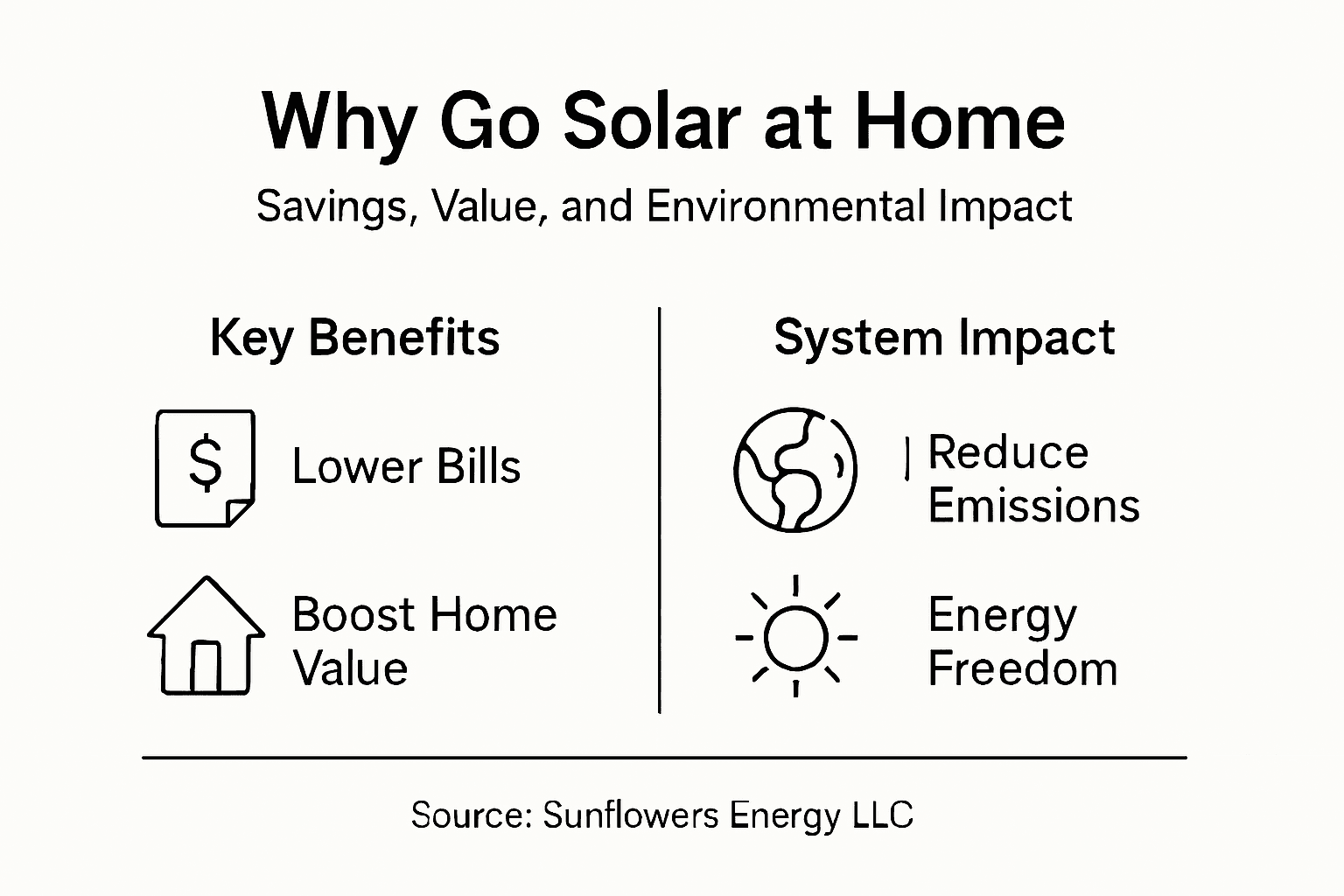
Homeowners considering solar power should understand that these systems offer more than environmental benefits. They represent a strategic investment in energy independence, potentially reducing electricity costs and providing protection against future utility rate increases. By generating electricity on-site, residential solar transforms homes into miniature power plants, contributing to a more decentralized and resilient energy infrastructure.
Pro tip: Before investing in solar, conduct a comprehensive site assessment to determine your roof’s solar potential and optimal panel placement.
Types of Residential Solar Solutions Available
Residential solar technology offers multiple configuration options to meet diverse homeowner needs, ranging from grid-tied systems to more complex hybrid and off-grid solutions. Comprehensive solar technology reviews reveal the expanding landscape of solar power alternatives designed to maximize energy efficiency and sustainability.
The primary residential solar solutions include:
- Grid-Tied Systems: Connected directly to the utility grid
- Off-Grid Systems: Completely independent from utility infrastructure
- Hybrid Systems: Combine solar generation with battery storage
- Ground-Mounted Arrays: Alternative to rooftop panel installations
- Building-Integrated Photovoltaics (BIPV): Solar panels integrated into building materials
Grid-tied systems represent the most common residential solar approach, allowing homeowners to generate electricity and potentially sell excess power back to the utility company. These systems feature minimal equipment requirements and eliminate the need for extensive battery storage. Homeowners can leverage net metering programs, which credit their accounts for surplus electricity generated.
Hybrid and off-grid solutions offer greater energy independence, particularly for rural properties or regions with unreliable electrical infrastructure. These advanced systems incorporate battery storage technologies that enable electricity generation and consumption during periods without direct sunlight. Battery capacity and system design determine the extent of energy autonomy, with some configurations providing complete household power independence.
Here is a summary comparing common residential solar system types and their main advantages:
| System Type | Grid Connection | Energy Independence | Ideal For |
|---|---|---|---|
| Grid-Tied | Connected to utility | Low | Urban/suburban homes |
| Off-Grid | No utility backup | High | Remote locations |
| Hybrid | Utility and batteries | Medium to high | Areas with frequent outages |
| Building-Integrated (BIPV) | Integrated into design | Varies by setup | New builds, aesthetic priorities |
Pro tip: Consult a professional solar assessment to determine the most appropriate solar solution for your specific property and energy consumption patterns.
How Home Solar Panels Work and Key Features
Solar panel technology transforms sunlight into electricity through an intricate process of energy conversion. Homeowners guide to solar systems reveals the sophisticated mechanism behind these innovative energy solutions, which begin with photovoltaic cells capturing solar radiation.
The key components of home solar panel systems include:
- Photovoltaic cells: Silicon-based elements that generate electrical current
- Inverters: Convert direct current (DC) to alternating current (AC)
- Mounting hardware: Secure panels at optimal angles
- Monitoring systems: Track energy production and efficiency
- Battery storage: Optional energy preservation technology
The photovoltaic effect drives solar panel functionality, where semiconductor materials in solar cells generate electrical charges when exposed to sunlight. These cells are strategically arranged into panels and connected to create comprehensive solar arrays that capture and transform solar energy. Solar electricity generation details demonstrate how these systems convert sunlight into usable electricity for residential applications.

Modern solar panel systems incorporate advanced technologies that maximize energy production and efficiency. Smart inverters and monitoring platforms enable homeowners to track real-time energy generation, consumption, and potential cost savings. The integration of battery storage further enhances energy independence, allowing households to store excess electricity generated during peak sunlight hours for use during periods of low solar radiation.
Pro tip: Consult a professional solar installer to assess your home’s specific solar potential and recommended panel configuration.
Financial Benefits and Return on Investment
Residential solar investments represent a strategic financial opportunity for homeowners seeking long-term energy cost reductions. Residential solar electricity benefits demonstrate that solar panel installations offer multiple economic advantages beyond simple energy generation.
The primary financial benefits of residential solar include:
- Significant reduction in monthly electricity bills
- Increased property value
- Federal and state tax credit opportunities
- Protection against rising utility rates
- Potential income through net metering programs
Homeowners can expect substantial economic returns through multiple channels. The average solar system can reduce electricity expenses by 70-100% depending on system size, local sunlight exposure, and energy consumption patterns. Many regions offer additional financial incentives, including performance-based rebates, property tax exemptions, and accelerated depreciation benefits for solar investments.
The initial investment in solar technology typically recovers its cost within 7-12 years, with most high-quality solar panel systems generating consistent returns for 25-30 years. Modern solar installations not only provide immediate financial benefits but also serve as a hedge against escalating energy prices, offering predictable and stable long-term energy expenses. Advanced monitoring technologies enable homeowners to track and optimize their energy production and consumption, further enhancing the financial value of their solar investment.
Pro tip: Calculate your specific solar return on investment by consulting a professional who can analyze your home’s unique energy profile and local solar incentives.
Environmental Impact and Energy Independence
Residential solar power represents a transformative approach to addressing climate change and enhancing energy security. Residential solar’s environmental contributions demonstrate significant potential for reducing greenhouse gas emissions and promoting sustainable energy practices.
The key environmental benefits of residential solar include:
- Dramatic reduction in carbon dioxide emissions
- Decreased dependence on fossil fuel-based electricity
- Minimal water consumption compared to traditional power generation
- Reduced strain on regional electrical grids
- Mitigation of climate change impacts
Energy independence research reveals that residential solar adoption provides critical advantages for households, especially in low to moderate-income communities. By generating electricity on-site, homeowners can stabilize their energy costs, reduce vulnerability to utility price fluctuations, and contribute to a more resilient energy ecosystem.
Beyond individual household benefits, widespread solar adoption creates systemic environmental improvements. Each residential solar installation represents a tangible step toward decarbonizing the electrical grid, with average systems offsetting approximately 3-4 tons of carbon emissions annually. The cumulative impact of these individual choices can significantly accelerate the transition to a cleaner, more sustainable energy infrastructure.
Pro tip: Track your personal environmental impact by monitoring your solar system’s carbon offset through manufacturer-provided tracking applications.
Costs, Incentives, and Common Pitfalls to Avoid
Residential solar investments require careful financial planning and strategic decision-making. Residential solar adoption barriers highlight the complex landscape of costs, incentives, and potential challenges homeowners must navigate.
Key financial considerations include:
- Initial system installation costs
- Available federal and state tax credits
- Potential financing options
- Long-term return on investment
- Maintenance and performance warranties
Solar financing risks reveal critical aspects homeowners must understand before committing to a solar project. Typical pitfalls include misleading loan terms, hidden fee structures, and unrealistic performance projections. Comprehensive research and professional consultations can help mitigate these potential financial risks.
Smart solar investments demand thorough due diligence. Homeowners should carefully evaluate system design, equipment quality, installer credentials, and financing terms. Federal tax credits currently offer up to 30% of installation costs as a direct reduction, while many states provide additional incentives like property tax exemptions and performance-based rebates. Understanding these complex incentive structures can significantly reduce overall project expenses and accelerate financial returns.
Compare key cost factors and incentives for solar investments below:
| Cost Factor | Typical Range | Impact on ROI |
|---|---|---|
| Installation Cost | $15,000 to $30,000 | Higher upfront, lowers bills |
| Federal Tax Credit | Up to 30% of cost | Accelerates payback |
| State/Local Incentives | Varies by region | Can significantly reduce net cost |
| Payback Period | 7 to 12 years | Shorter with more incentives |
| Maintenance Costs | $150 to $350 per year | Minor, preserves system value |
Pro tip: Request detailed, written cost breakdowns from multiple solar installers to compare true expenses and potential long-term savings.
Empower Your Home with Reliable Residential Solar Solutions
Choosing residential solar power is a smart way to fight rising electricity costs and reduce your carbon footprint. If you are ready to take control of your energy bills and boost your home value with clean, sustainable power, you need trusted expertise and premium technology. This article highlights the importance of strategic solar investments and energy independence, which perfectly aligns with the comprehensive services offered by Sunflowers Energy.
Explore tailored solar panel installations and expert roofing services designed to protect and enhance your property at 1win Brazil – Sunflowers Energy LLC A Roofing and Solar Companys. Our commitment to advanced technology and durable materials ensures your investment delivers long-term savings and environmental impact. Don’t wait to secure your energy future and elevate your home’s efficiency. Request your free onsite inspection and personalized quote today through Sunflowers Energy and discover how easy and rewarding switching to solar can be.
For more information about our sustainable energy and roofing solutions, visit our plinko – Sunflowers Energy LLC A Roofing and Solar Companys page and take the first step toward smarter, greener living.
Frequently Asked Questions
What are the primary financial benefits of choosing residential solar power?
Residential solar power can lead to significant reductions in monthly electricity bills, increased property value, and access to federal and state tax credits, ultimately providing a strong return on investment over time.
How does a residential solar system work?
Residential solar systems use photovoltaic panels to capture sunlight and convert it into electricity. This energy can be used immediately in the home, stored in batteries, or sent back to the grid if excess power is generated.
What types of residential solar systems are available to homeowners?
Homeowners can choose from several types of residential solar solutions, including grid-tied systems, off-grid systems, hybrid systems, ground-mounted arrays, and building-integrated photovoltaics (BIPV), each offering different levels of energy independence and complexity.
How can homeowners maximize their solar investment?
Homeowners can maximize their solar investment by conducting a comprehensive site assessment to determine solar potential, consulting professionals for optimal panel placement, and taking advantage of available financial incentives like tax credits and rebates.
Recommended
- Why Choose Solar Roofing: Savings, Durability, Value – Sunflowers Energy LLC A Roofing and Solar Companys
- Benefits of Solar Roofing: Transforming Home Efficiency – Sunflowers Energy LLC A Roofing and Solar Companys
- Is Solar Worth It? A Comprehensive Guide to Home Solar Panel Costs – Sunflowers Energy LLC A Roofing and Solar Companys
- Solar Energy Efficiency Guide for Maximized Home Savings – Sunflowers Energy LLC A Roofing and Solar Companys

One Response