Reducing high electricity bills and improving home resilience are top concerns for many American homeowners. Solar roofing offers a powerful way to combine energy efficiency with long-lasting protection, turning everyday roofs into reliable sources of clean electricity. Advancements in photovoltaic technology have made solar systems even more effective, with efficiency ratings now regularly exceeding 20 percent. This article breaks down what solar roofing really is, clears up common myths about its performance, and highlights why it is an appealing upgrade for anyone looking to boost property sustainability.
Table of Contents
- Solar Roofing Defined And Common Myths
- Popular Types And Key Features In 2026
- How Solar Roofing Powers Homes Efficiently
- Financial Benefits And Incentive Changes
- Sustainability, Storm Protection, And Durability
- Comparing Solar Roofing To Traditional Options
Key Takeaways
| Point | Details |
|---|---|
| Innovative Energy Solution | Solar roofing integrates renewable energy generation with traditional roofing, offering efficient energy solutions for homes. |
| Debunking Myths | Common misconceptions, such as solar only working in sunny conditions, have been disproven; modern systems perform well in various weather. |
| Sustainability and Durability | Solar roofing provides environmental benefits, reduces carbon emissions, and has improved durability, ensuring long-term performance. |
| Financial Incentives | Investing in solar roofing can yield significant financial returns, aided by available tax credits and reduced electricity expenses over time. |
Solar Roofing Defined and Common Myths
Solar roofing represents an innovative solution that transforms traditional roof surfaces into energy-generating powerhouses for residential properties. Unlike conventional roofing materials, solar roofing integrates photovoltaic technology directly into roof design, creating a dual-purpose system that protects your home while generating electricity.
Many homeowners harbor misconceptions about solar roofing that prevent them from exploring this powerful technology. Debunking solar energy myths reveals critical insights about modern solar capabilities:
- Solar panels function effectively in various weather conditions, including cloudy and cold environments
- Advanced panel technologies generate electricity even during partial sunlight
- Modern solar systems can produce power year-round, not just during peak sunny days
Contrary to outdated beliefs, solar roofing has become increasingly efficient and cost-effective. Technological advancements have dramatically improved panel performance, with contemporary systems converting more sunlight into usable electricity than ever before. Efficiency ratings now regularly exceed 20%, making solar a genuinely viable energy solution for many American households.
Solar roofing also dispels myths about installation complexity and aesthetic limitations. Modern systems integrate seamlessly with existing roof designs, offering sleek, low-profile panels that complement rather than detract from home architecture. Homeowners can choose from multiple design options that blend functionality with visual appeal.
Solar technology has evolved from experimental technology to a mainstream energy solution, making it a smart investment for environmentally conscious homeowners.
Performance factors that make solar roofing compelling include:
- Reduced electricity costs
- Increased home value
- Lower carbon footprint
- Energy independence
- Potential tax incentives
The misconception that solar only works in sunny regions has been thoroughly debunked. Solar works effectively across different geographic zones, proving its adaptability and reliability. Even regions with moderate sunlight can generate significant electricity through strategic panel placement and advanced solar technologies.
Pro tip: Before installing solar roofing, conduct a professional site assessment to determine optimal panel placement and potential energy generation for your specific property.
Popular Types and Key Features in 2026
Solar roofing technology continues to evolve rapidly, offering homeowners increasingly sophisticated options for integrating renewable energy into their residential architecture. Advanced solar roofing systems now provide multiple design approaches that balance aesthetic appeal with energy efficiency.
The most prominent solar roofing types in 2026 include:
- Solar tiles: Seamlessly integrated photovoltaic tiles that mimic traditional roofing materials
- On-roof panels: Traditional mounted solar panels installed atop existing roof structures
- In-roof solar panels: Panels that replace standard roofing materials for a more streamlined appearance
- Green solar roofs: Combining vegetation with photovoltaic technology for enhanced thermal performance
Each solar roofing type offers unique advantages for different homeowner preferences and architectural styles. Solar roofing integration techniques have significantly improved, allowing for more flexible and visually appealing installations that complement various home designs.
Here’s a concise comparison of the most popular solar roofing types in 2026:
| Type | Visual Integration | Main Benefit | Suitability |
|---|---|---|---|
| Solar Tiles | Seamlessly blends in | High aesthetics and energy | Modern/futuristic homes |
| On-Roof Panels | Slightly raised profile | Easy retrofit installation | Existing roof upgrades |
| In-Roof Panels | Streamlined appearance | Maintains roof integrity | New construction |
| Green Solar Roof | Vegetated with panels | Thermal regulation, energy | Eco-conscious owners |
Performance considerations for modern solar roofing include:
- Energy conversion efficiency
- Initial installation costs
- Long-term maintenance requirements
- Aesthetic integration
- Local climate adaptability
Modern solar roofing represents a perfect blend of functional technology and architectural design, transforming roofs from passive coverings to active energy generators.
Green solar roofs have emerged as a particularly innovative solution, offering multiple benefits beyond traditional photovoltaic systems. These hybrid designs combine solar panel technology with living vegetation, creating roofing systems that provide improved thermal regulation, enhanced energy production, and additional environmental benefits.
Metal roofs with specialized photovoltaic coatings have also gained significant traction, offering superior thermal performance and increased energy generation potential. These advanced systems utilize reflective pigments and specialized mounting technologies to maximize solar energy capture.
Pro tip: Consult with a professional solar design expert to determine the most suitable solar roofing type for your specific home architecture and local climate conditions.
How Solar Roofing Powers Homes Efficiently
Solar roofing transforms residential energy production by converting sunlight directly into usable electricity through advanced photovoltaic technologies. Rooftop photovoltaic generation systems leverage available roof space to generate clean, localized electricity that dramatically reduces dependence on traditional power grids.
The core mechanism of solar roofing involves several critical components:
- Photovoltaic cells: Specialized semiconductor materials that convert sunlight into electrical current
- Inverter systems: Transform direct current (DC) electricity into alternating current (AC) for home use
- Battery storage: Capture excess energy for use during low sunlight periods
- Smart monitoring: Track energy production and consumption in real-time
Energy conversion processes occur through sophisticated interactions between solar panels and home electrical systems. Photovoltaic roof integration enables homes to generate electricity while simultaneously providing structural protection, creating a dual-purpose energy solution.
Modern solar roofing transforms rooftops from passive structural elements into active energy generation platforms, revolutionizing residential power consumption.
Homeowners benefit from multiple energy efficiency advantages:
- Reduced electricity bills
- Decreased carbon footprint
- Enhanced energy independence
- Potential utility company credits
- Increased property value
The technical process involves photovoltaic cells capturing solar radiation and converting it into electrical current through semiconductor materials. Sophisticated inverter systems then transform this direct current into alternating current compatible with home electrical systems, ensuring seamless power integration.
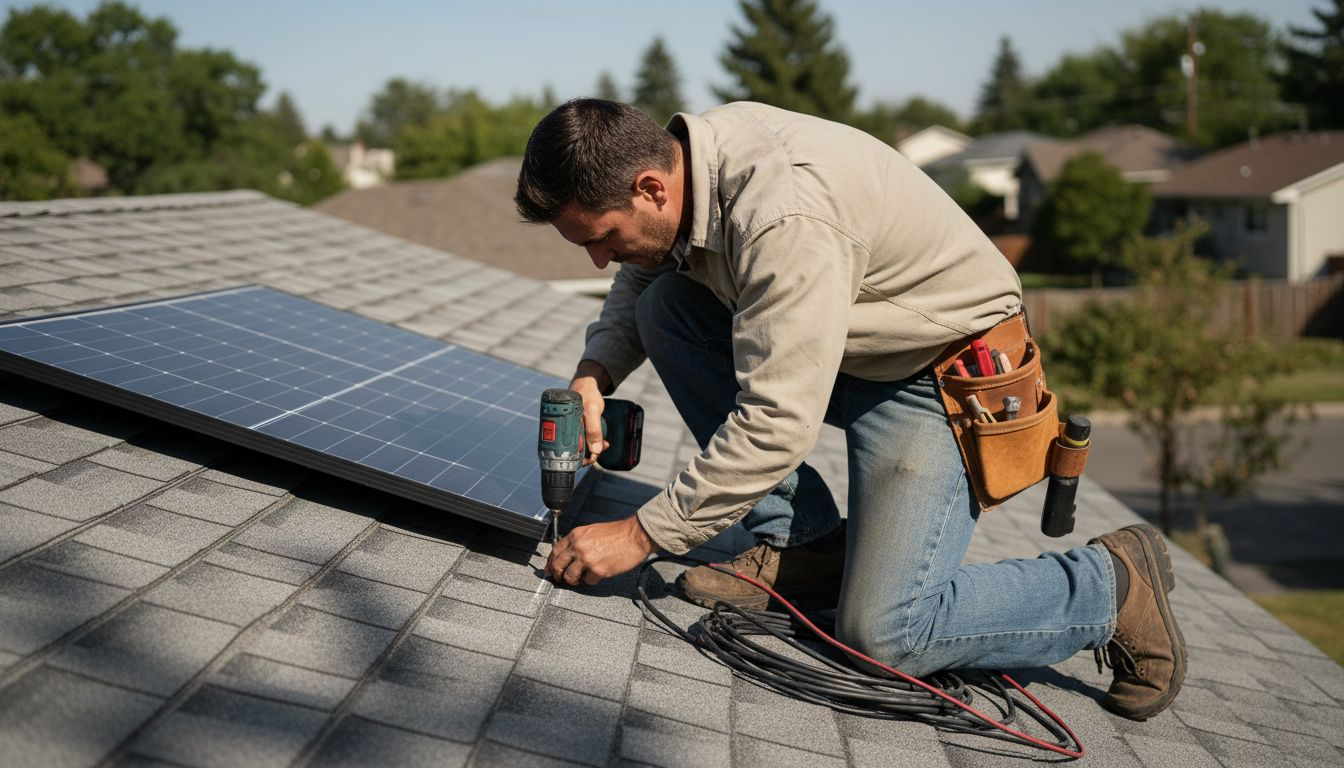
Advanced solar roofing systems now incorporate intelligent technologies that optimize energy production. Microinverters and power optimizers enable individual panel performance monitoring, maximizing overall system efficiency and identifying potential performance issues quickly.
Pro tip: Consult with a professional solar installer to assess your specific roof’s solar potential and design a customized energy generation strategy.
Financial Benefits and Incentive Changes
Solar roofing investments have become increasingly attractive due to evolving financial incentives and substantial long-term economic advantages. Residential solar PV adoption continues to be driven by strategic government policies and increasingly compelling financial benefits for homeowners.
Key financial advantages of solar roofing include:
- Immediate reduction in monthly electricity expenses
- Federal and state tax credit opportunities
- Potential property value increase
- Net metering credit programs
- Reduced carbon taxation potential
- Long-term energy cost stability
Incentive structures have transformed dramatically in recent years, creating more accessible pathways for residential solar investments. Federal tax credits now cover up to 30% of total installation costs, significantly reducing initial financial barriers for homeowners considering solar roofing solutions.
Solar investments represent a strategic financial decision that combines environmental responsibility with intelligent economic planning.
State-level incentive programs provide additional financial support through:
- Performance-based incentives
- Property tax exemptions
- Solar renewable energy certificate (SREC) markets
- Low-interest green energy loans
- Utility company rebate programs
The economic calculus of solar roofing has shifted from a purely environmental investment to a robust financial strategy. Most residential solar installations now demonstrate return on investment within 7-10 years, with potential savings exceeding $20,000 over the system’s lifetime.
Advanced financing models like solar leasing and power purchase agreements have further democratized solar access. These innovative approaches allow homeowners to adopt solar technology with minimal upfront costs, spreading investment across more manageable monthly payments.
Pro tip: Consult a local tax professional to fully understand and maximize available solar investment tax credits and incentives specific to your region.
Sustainability, Storm Protection, and Durability
Solar roofing represents a comprehensive solution that extends far beyond energy generation, offering remarkable durability and environmental benefits. Roof material performance plays a critical role in ensuring long-term system reliability and sustainable energy production.
Key sustainability advantages of modern solar roofing include:
- Significant reduction in carbon emissions
- Minimal environmental impact during manufacturing
- Recyclable component materials
- Reduced reliance on fossil fuel energy sources
- Enhanced building energy efficiency
Storm resilience has become a paramount consideration in solar roofing design. Solar PV system durability now incorporates advanced engineering techniques that enable systems to withstand extreme weather conditions, from high winds to severe temperature fluctuations.
Modern solar roofing transforms environmental challenges into opportunities for sustainable, resilient home energy solutions.
Advanced durability features of contemporary solar roofing systems include:
- Reinforced mounting systems
- Impact-resistant photovoltaic materials
- Enhanced structural integrity design
- Corrosion-resistant coatings
- Thermal expansion accommodations
Metal roofing with specialized photovoltaic coatings has emerged as a particularly robust solution. These innovative designs not only improve power output but also provide enhanced protection against environmental stressors, effectively extending the lifespan of both roofing and solar generation systems.
Green roofing technologies further amplify sustainability benefits by providing additional thermal regulation. The integration of vegetation with solar panels creates a synergistic system that improves energy efficiency, reduces urban heat island effects, and enhances overall building performance.
Pro tip: Request detailed warranty information and professional assessment of your specific regional climate conditions when selecting a solar roofing system.
Comparing Solar Roofing to Traditional Options
The landscape of residential roofing has undergone significant transformation, with solar roofing emerging as a compelling alternative to traditional roofing solutions. Solar roof versus traditional roof comparisons reveal substantial differences in long-term value, functionality, and environmental impact.
Key differences between solar and traditional roofing include:
- Energy generation capabilities
- Long-term financial returns
- Environmental sustainability
- Maintenance requirements
- Home value enhancement
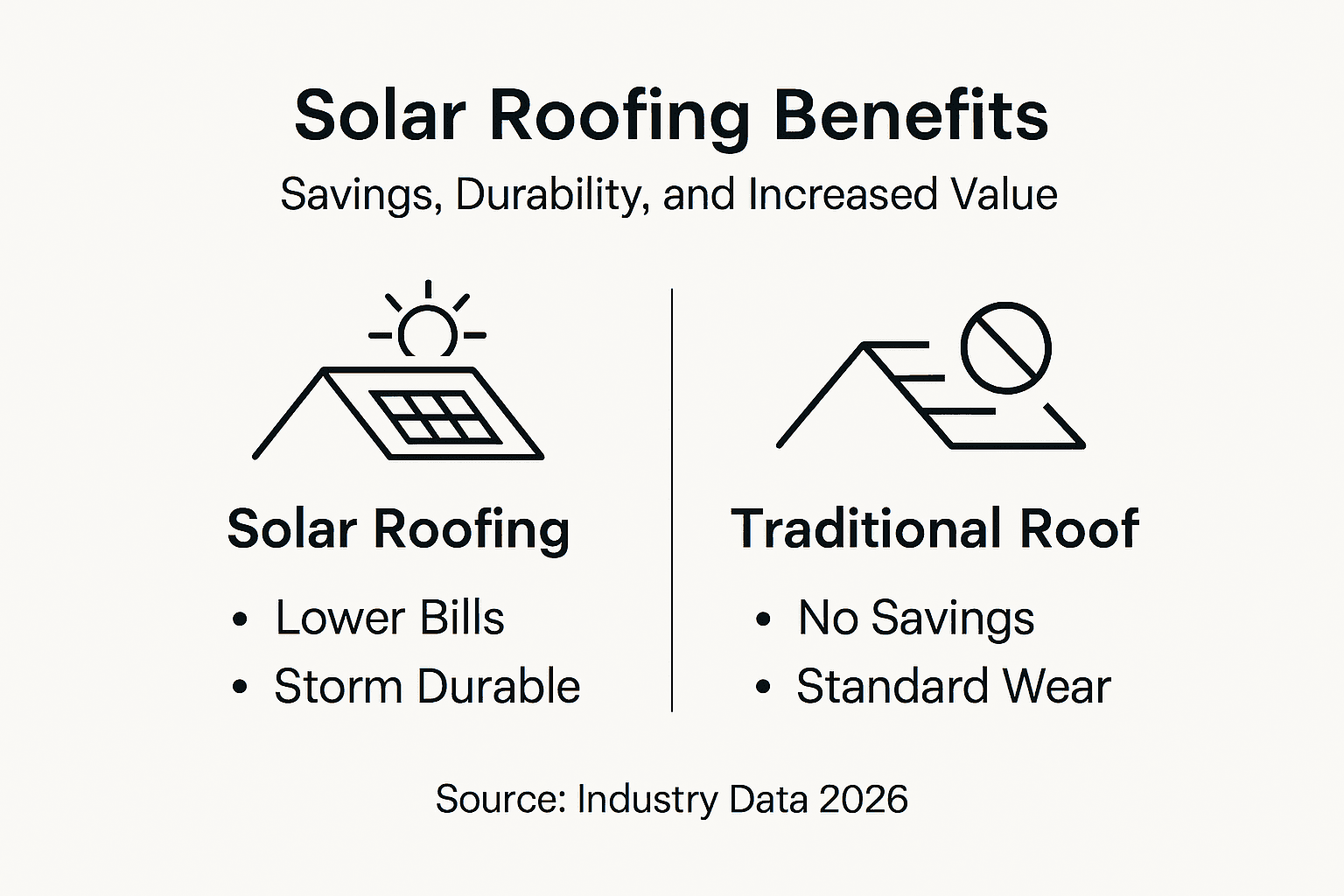
Cost considerations demonstrate that while solar roofing requires higher initial investment, the long-term financial benefits dramatically outweigh traditional roofing expenses. Traditional asphalt shingle roofs typically last 15-25 years and generate zero additional value, whereas solar roofing systems can provide electricity savings and potential income through energy credits.
Modern roofing is no longer just about protection—it’s about transforming your home into an energy-generating asset.
Traditional roofing materials offer different performance characteristics:
- Asphalt shingles: Low initial cost, limited lifespan
- Metal roofing: Higher durability, moderate cost
- Clay tiles: Aesthetic value, higher installation expenses
- Wood shakes: Natural appearance, high maintenance
Solar roofing introduces multiple advantages that traditional options cannot match. The ability to generate electricity, reduce carbon footprint, and provide potential tax incentives makes solar roofing a multifunctional investment that extends far beyond simple shelter protection.
See how solar and traditional roofing options differ for homeowners:
| Feature | Solar Roofing | Traditional Roofing | Long-Term Value |
|---|---|---|---|
| Energy Generation | Produces electricity | No energy output | Significant with solar |
| Environmental Impact | Low carbon footprint | Higher environmental cost | Sustainability varies |
| Initial Investment | Higher upfront cost | Lower upfront cost | Solar pays off faster |
| Maintenance Needs | Low to moderate | Moderate to high | Long-term savings |
Advanced solar roofing technologies now integrate seamlessly with various architectural styles, eliminating previous aesthetic concerns. Modern designs offer sleek, low-profile panels that complement rather than detract from home aesthetics, addressing one of the primary historical objections to solar roofing adoption.
Pro tip: Request a comprehensive cost-benefit analysis comparing traditional and solar roofing options specific to your home’s unique characteristics and local energy market.
Experience the True Power of Solar Roofing Savings and Durability
Choosing solar roofing means addressing high energy costs and concerns over long-term roof protection. This article highlights key benefits like reduced electricity bills, improved home value, and sturdy, sustainable roofing solutions that stand up to storms and weather changes. At Sunflowers Energy, we understand your goals for energy independence and durable home upgrades using advanced solar technologies and premium roofing materials.
Discover how our expert team offers tailored services including residential solar panel installations and reliable asphalt shingle roofing repairs designed to maximize your savings and home protection. Learn more about our innovative solutions by exploring our 1win Brazil category, and see why homeowners trust Sunflowers Energy for quality and performance.
Ready to transform your home with cutting-edge solar roofing that delivers lasting value and savings Use our free onsite inspections to get a personalized quote today at Sunflowers Energy. Don’t wait to invest in your property’s future benefits by choosing expert solar and roofing services you can rely on.
Frequently Asked Questions
What are the financial benefits of solar roofing?
Solar roofing investments reduce electricity bills, increase property value, and may qualify for federal and state tax credits, leading to significant long-term savings.
How does solar roofing contribute to durability and storm protection?
Modern solar roofing systems are designed with advanced engineering techniques that enhance their ability to withstand extreme weather, ensuring reliability and longevity.
How do solar roofing options compare to traditional roofing materials?
Solar roofing generates electricity and can provide a return on investment over time, unlike traditional roofing materials, which typically have no energy output and limited long-term value.
What types of solar roofing are available?
Popular solar roofing types include solar tiles, on-roof panels, in-roof panels, and green solar roofs, each offering unique advantages in terms of aesthetics and energy efficiency.
Recommended
- Roofing – Sunflowers Energy LLC A Roofing and Solar Companys
- Sunflowers Energy LLC A Roofing and Solar Companys
- service – Sunflowers Energy LLC A Roofing and Solar Companys
- Solar – Sunflowers Energy LLC A Roofing and Solar Companys
- What are the Advantages of Using Solar Street Lights? | LED Supply & Fit
- Solar Panels and EPC Ratings – Key Effects Explained
6 Responses