Eco-friendly roofing tips for sustainable homes in 2026
Choosing the right roofing material for your home in 2026 means balancing sustainability with cost effectiveness. Homeowners today face the challenge of finding eco-friendly options that deliver long-term value without breaking the budget. The good news is that modern roofing technology offers materials that reduce environmental impact while cutting energy costs. This guide walks you through practical criteria for evaluating green roofing, compares top materials and technologies, and helps you make an informed decision that protects both your home and the planet.
Table of Contents
- How To Evaluate Eco-Friendly Roofing Materials In 2026
- Top Eco-Friendly Roofing Options: Materials And Benefits
- Comparing Cool Roofs, Green Roofs, And Solar Roofs: Which Is Best?
- Making The Right Eco-Friendly Roofing Choice For Your Home
- Explore Eco-Friendly Roofing And Solar Solutions With Sunflowers Energy
- Frequently Asked Questions
Key takeaways
| Point | Details |
|---|---|
| Lifecycle cost matters most | Total ownership cost over decades outweighs initial installation price for sustainable roofing decisions. |
| Eco-friendly materials cut waste | Recycled content and recyclability reduce landfill impact while lowering maintenance needs. |
| Cool roofs deliver energy savings | Reflective surfaces reduce cooling costs by up to 16.6% with minimal upfront investment. |
| Synthetic shakes offer durability | Impact-resistant materials provide insurance discounts and withstand extreme weather better than traditional options. |
| Professional installation maximizes benefits | Expert installation ensures eco-friendly roofing performs optimally throughout its lifespan. |
How to evaluate eco-friendly roofing materials in 2026
Selecting sustainable roofing starts with understanding what makes a material truly eco-friendly. Sustainable roofing focuses on durability, recycled content, and long lifecycle performance, not just trendy green labels. The most important factor is how long your roof will last before requiring replacement, since frequent replacements generate waste and consume resources.
Materials with high recycled content reduce demand for virgin resources and lower manufacturing emissions. Look for products that can be recycled at end of life rather than ending up in landfills. Fire resistance is another critical consideration that affects both safety and insurance premiums, especially in wildfire-prone regions.
Lifecycle cost matters more than upfront installation pricing for sustainable roofing. A cheaper material that needs replacement in 15 years costs more over time than a durable option lasting 50 years. Calculate total ownership by adding installation, maintenance, energy savings, and replacement costs. This approach reveals the true value of eco-friendly materials.
When evaluating options, consider these essential criteria:
- Durability and expected lifespan in your climate
- Percentage of recycled content and end-of-life recyclability
- Impact on heating and cooling costs through reflectivity or insulation
- Fire rating and potential insurance premium reductions
- Installation requirements and contractor expertise needed
Installation quality directly affects how well your eco-friendly roof performs. Even the best materials fail to deliver promised benefits if installed incorrectly. Professional installers familiar with sustainable roofing benefits ensure proper ventilation, flashing, and sealing that maximize energy efficiency and longevity. Before committing to a material, research estimating roofing costs 2026 to budget accurately for both materials and skilled labor.
Top eco-friendly roofing options: materials and benefits
Several innovative materials dominate the eco-friendly roofing market in 2026, each offering unique sustainability advantages. Enviroshake tiles stand out for their exceptional environmental credentials. Enviroshake tiles are manufactured from 95% post-industrial recycled materials and are 100% recyclable at the end of their lifespan. These composite tiles mimic traditional shake appearance while lasting significantly longer than wood with minimal maintenance.
Synthetic shake options provide another compelling choice for environmentally conscious homeowners. Synthetic shake tiles, like EcoStar Aspen Blend Shake, offer superior protection against extreme weather and are made with recycled materials. These products resist cracking, warping, and fading that plague natural wood shakes. Their impact resistance qualifies them for Class 4 hail ratings, potentially lowering your insurance premiums.
Recycled rubber roofing represents an innovative approach to waste reduction. Recycled rubber tiles significantly reduce environmental impact compared to traditional materials by repurposing tire waste that would otherwise fill landfills. These tiles are incredibly durable, resistant to temperature extremes, and require virtually no maintenance over their 50-year lifespan.
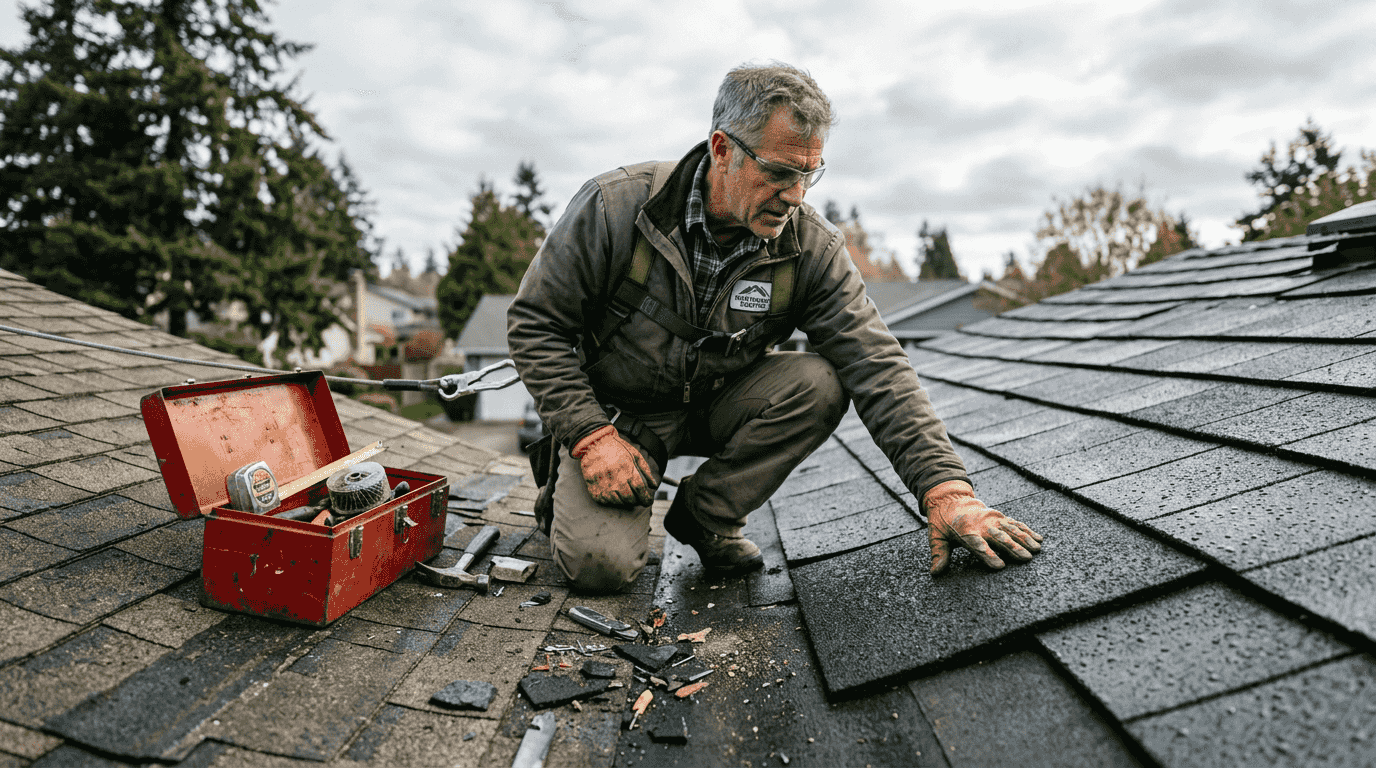
Maintenance savings amplify the cost effectiveness of synthetic materials. Traditional wood shakes need regular treatment to prevent rot, mold, and insect damage. Synthetic alternatives eliminate these ongoing expenses while maintaining aesthetic appeal. The long-term savings on repairs and treatments often offset higher initial costs within the first decade.
Color choice matters more than many homeowners realize. Lighter shades reflect solar radiation, reducing heat absorption and lowering cooling costs during summer months. This simple consideration can cut air conditioning expenses by 10 to 20 percent in hot climates. For comprehensive guidance on material selection, explore sustainable roofing explained to understand how different options impact your home’s energy profile.
Key material benefits to consider:
- High recycled content reduces environmental footprint
- Long lifespans minimize replacement frequency and waste
- Low maintenance requirements save time and money
- Impact resistance may qualify for insurance discounts
- Lighter colors enhance energy efficiency through reflectivity
Comparing cool roofs, green roofs, and solar roofs: which is best?
Three major roofing technologies compete for attention among eco-conscious homeowners, each with distinct advantages and tradeoffs. Understanding their performance helps you match technology to your priorities and budget.
Cool roofs use highly reflective materials to bounce sunlight away from your home. Cool roofs reduce air conditioning energy use by up to 16.6% and are the most cost-effective option. They lower roof surface temperatures by 50 to 60 degrees Fahrenheit compared to standard materials, reducing heat transfer into living spaces. This technology delivers immediate energy savings with minimal upfront investment beyond choosing reflective roofing materials.
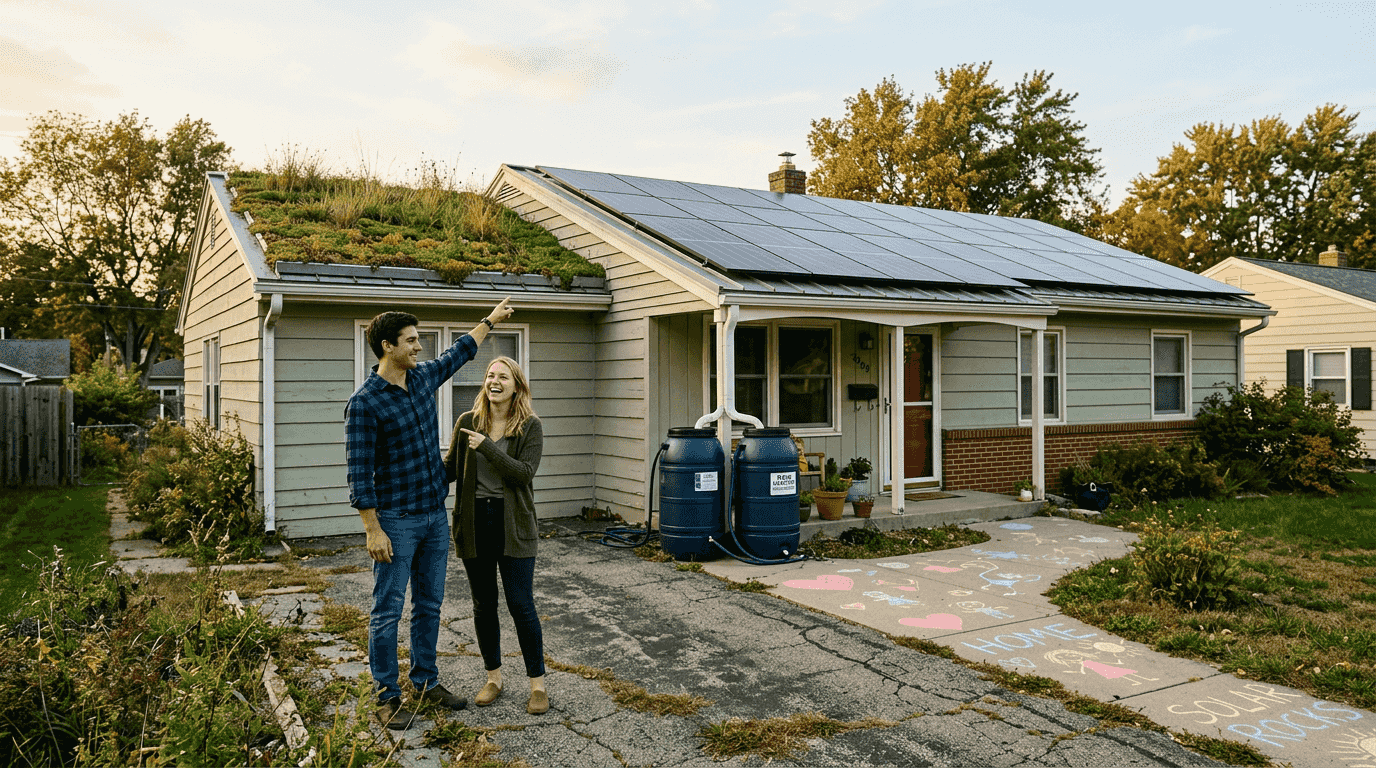
Green roofs feature vegetation layers that provide insulation and absorb rainwater. While visually striking and excellent for urban heat mitigation, they cost three to five times more than cool roofs. Structural reinforcement is often necessary to support soil and plant weight. Maintenance requirements include irrigation, weeding, and periodic replanting. These factors make green roofs better suited for commercial buildings or homeowners with specific aesthetic goals and larger budgets.
Solar roofs generate electricity while providing weather protection. Initial costs are substantially higher than other options, but energy generation offsets utility bills over time. Solar panels provide moderate cooling benefits by shading the roof surface, though less effectively than cool roof coatings. Tax incentives and utility rebates can significantly reduce net costs, making solar roofs attractive for homeowners focused on energy independence.
Cool roofs offer the best balance of cost, energy savings, and urban heat reduction for most residential applications in 2026.
Performance varies by climate and building characteristics. Cool roofs excel in hot, sunny regions where cooling loads dominate energy use. Solar roofs make sense where electricity rates are high and sun exposure is consistent. Green roofs suit urban areas with stormwater management challenges.
| Roof Type | Upfront Cost | Energy Savings | Maintenance | Best For |
|---|---|---|---|---|
| Cool Roof | Low | 10-16% cooling | Minimal | Hot climates, budget-conscious |
| Green Roof | Very High | Moderate | High | Urban areas, aesthetics |
| Solar Roof | High | 40-70% electricity | Low to Moderate | High utility rates, independence |
One often overlooked factor is degradation over time. Cool roof degradation varies with heat-vulnerable areas and requires maintenance initiatives. Reflectivity decreases as surfaces accumulate dirt and weather, reducing energy-saving performance. Periodic cleaning or recoating restores effectiveness, adding modest maintenance costs.
Pro Tip: Combine technologies for maximum benefit. Install solar panels over a cool roof surface to capture both electricity generation and passive cooling advantages, optimizing your home’s energy performance.
For deeper insights into how roofing choices impact your utility bills, review roofing energy efficiency to understand the relationship between materials and home energy systems.
Making the right eco-friendly roofing choice for your home
Applying evaluation criteria to your specific situation requires methodical consideration of multiple factors. Follow this decision framework to identify the best eco-friendly roofing solution for your needs.
-
Assess your local climate conditions and weather patterns. Homes in hurricane zones need impact-resistant materials, while wildfire regions require high fire ratings. Temperature extremes influence whether cooling or insulation takes priority.
-
Calculate total lifecycle costs including installation, maintenance, energy savings, and expected replacement timeline. Compare options over 30 to 50 years rather than focusing solely on initial price. Factor in potential utility bill reductions and insurance premium changes.
-
Research insurance implications of different materials. Synthetic shake tiles can lead to insurance discounts due to hail resistance. Contact your insurer to quantify potential savings before finalizing material selection.
-
Determine your budget constraints and financing options. While eco-friendly materials often cost more upfront, energy savings and durability justify the investment. Some utility companies offer rebates for cool roofs or solar installations that reduce net costs.
-
Identify qualified contractors experienced with your chosen material. Specialized installation techniques are essential for synthetic shakes, cool roof coatings, and solar systems. Verify licensing, insurance, and manufacturer certifications before signing contracts.
-
Consider future plans for your home. If you expect to sell within five years, focus on materials with broad appeal and proven resale value. Long-term homeowners can prioritize maximum lifecycle savings over initial costs.
Pro Tip: Request detailed warranties covering both materials and installation workmanship. Quality eco-friendly roofing products typically include 30 to 50 year warranties, but installation defects can void coverage if not performed by certified contractors.
Timing your project strategically can reduce costs and improve results. Spring and fall offer ideal weather conditions for installation, though contractor availability may be limited. Off-season scheduling sometimes yields better pricing and more attentive service.
For accurate budget planning, consult resources on roofing cost estimation that account for regional labor rates and material availability. Professional estimates should include tear-off, disposal, materials, labor, and any structural repairs discovered during inspection.
Don’t overlook the importance of proper ventilation and insulation upgrades. Even the most advanced eco-friendly roofing underperforms without adequate attic ventilation and insulation. These complementary improvements maximize energy efficiency and extend roof lifespan by preventing moisture damage and temperature extremes.
Explore comprehensive roofing services to understand the full scope of professional installation and how expert contractors ensure your eco-friendly investment delivers promised benefits for decades.
Explore eco-friendly roofing and solar solutions with Sunflowers Energy
Transforming your home with sustainable roofing requires expertise and quality materials working together. Sunflowers Energy specializes in eco-friendly roofing solutions tailored to your specific needs, climate, and budget. Our team helps you navigate material options, calculate lifecycle costs, and select the best approach for maximizing energy savings.
Professional installation ensures your eco-friendly roof performs as designed throughout its lifespan. We handle every detail from permits to final inspection, guaranteeing workmanship that protects your investment. Combining roofing upgrades with solar installations amplifies your home’s sustainability and energy independence. Our expert roofing services cover everything from material selection to post-installation support.
Ready to reduce your environmental impact while cutting energy costs? Start with a free roof inspection to assess your current roof’s condition and explore eco-friendly upgrade options. Our team provides detailed recommendations and transparent pricing to help you make confident decisions. Learn more about integrating solar technology with our solar energy efficiency guide for comprehensive home energy optimization.
Frequently asked questions
What are the most cost-effective eco-friendly roofing materials?
Synthetic shake tiles and cool roof coatings offer the best balance of cost and environmental benefits. These materials cost 20 to 40 percent more than standard asphalt shingles initially but last two to three times longer with minimal maintenance. Cool roofs deliver immediate energy savings with the lowest upfront investment, while synthetic shakes provide insurance discounts that offset higher material costs. Calculate lifecycle expenses rather than comparing installation prices alone.
How much can cool roofs reduce my energy bills?
Cool roofs typically reduce air conditioning costs by 10 to 16 percent in hot climates. Actual savings depend on your home’s insulation, climate zone, and cooling system efficiency. Homes with poor attic insulation see larger benefits from reflective roofing. The technology works best in regions with long cooling seasons and high sun exposure. Peak-load reductions also lower strain on your HVAC system, potentially extending equipment lifespan.
Do eco-friendly roofing materials qualify for insurance discounts?
Impact-resistant synthetic materials often qualify for insurance premium reductions of 10 to 30 percent. Class 4 hail-rated products demonstrate superior durability in severe weather, reducing claim frequency. Fire-resistant materials also lower premiums in wildfire-prone areas. Contact your insurance provider before selecting materials to confirm specific discount eligibility and required certifications. Document installation with certified contractors to maintain coverage.
How long do recycled rubber and synthetic shake roofs last?
Recycled rubber roofing typically lasts 50 years or more with virtually no maintenance required. Synthetic shake products carry 30 to 50 year warranties depending on manufacturer and installation quality. Both options significantly outlast traditional asphalt shingles, which need replacement every 15 to 20 years. Extended lifespans reduce replacement frequency, lowering long-term costs and environmental impact. For detailed cost comparisons, review accurate roofing cost estimates that account for material longevity.
Should I combine solar panels with eco-friendly roofing?
Combining solar panels with cool roof technology maximizes both energy generation and passive cooling benefits. Install reflective roofing first to reduce cooling loads, then add solar panels to offset electricity consumption. This integrated approach delivers the highest total energy savings. Timing both projects together reduces labor costs and ensures proper mounting without compromising roof integrity. Many homeowners achieve 60 to 80 percent energy cost reductions through combined strategies.
What maintenance do eco-friendly roofs require?
Synthetic and recycled rubber roofs need minimal maintenance beyond annual inspections and occasional cleaning. Cool roof coatings may require reapplication every 10 to 15 years to maintain reflectivity as surfaces weather. Remove debris from gutters and roof valleys to prevent water pooling. Check flashing and seals annually to catch small issues before they become expensive repairs. Professional inspections every three to five years ensure your eco-friendly roof continues delivering optimal performance throughout its lifespan.
Recommended
- What is a sustainable roof? Cut energy use 20% in 2026 – Sunflowers Energy LLC A Roofing and Solar Companys
- Sustainable roofing benefits: cut costs, boost value – Sunflowers Energy LLC A Roofing and Solar Companys
- How roofing boosts energy savings and solar efficiency – Sunflowers Energy LLC A Roofing and Solar Companys
- What is a roofing system? A 2026 guide for homeowners – Sunflowers Energy LLC A Roofing and Solar Companys