Role of roofing in energy efficiency: reduce costs
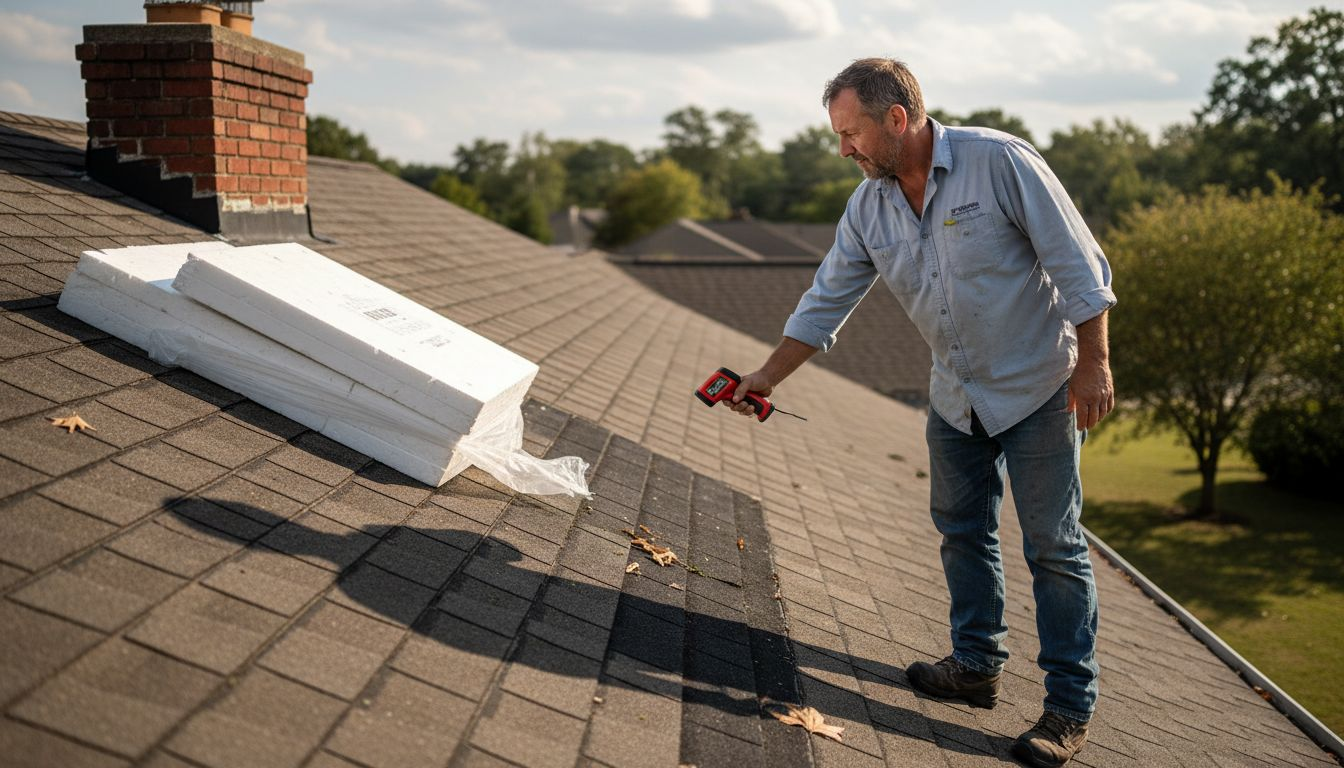
Your roof does more than keep rain out. It significantly impacts your home’s energy consumption, directly affecting your utility bills and indoor comfort. Most homeowners overlook how roofing materials, color, and design influence heating and cooling costs. Understanding these connections helps you make smarter choices that reduce energy expenses while creating ideal conditions for solar panel integration.
Table of Contents
- Understanding The Thermal Impact Of Roofing Materials
- How Roof Color And Reflectivity Influence Energy Use
- Integrating Solar Panels With Energy-Efficient Roofing
- Common Misconceptions About Roofing And Energy Efficiency
- Comparative Analysis Of Roofing Types For Energy Savings
- Practical Guidelines For Selecting Energy-Efficient Roofing Solutions
- Enhance Your Property’s Energy Efficiency With Expert Roofing And Solar Solutions
Key takeaways
| Point | Details |
|---|---|
| Thermal properties matter | Roofing materials and insulation reduce heat transfer by 10-25%, directly lowering heating and cooling costs. |
| Color impacts efficiency | Light-colored roofs reflect 65% of solar radiation while dark roofs absorb heat, significantly affecting cooling expenses. |
| Solar synergy boosts savings | Energy-efficient roofing improves solar panel performance by 10-15% and extends system lifespan. |
| Misconceptions cost money | Common myths about roofing and energy efficiency lead to poor material choices and missed savings opportunities. |
| Climate drives decisions | Your local climate zone determines optimal roofing materials, colors, and ventilation strategies for maximum efficiency. |
Understanding the thermal impact of roofing materials
Roofing materials act as your home’s first defense against temperature extremes. The thermal properties of these materials determine how much heat enters or escapes your building, directly influencing your HVAC system’s workload. Proper insulation beneath roofing reduces heat transfer, improving energy efficiency by decreasing heating and cooling needs by approximately 10-25%.
Cool roofing materials reflect more sunlight and absorb less heat than standard options. These specialized materials can lower roof surface temperatures by up to 40°F compared to traditional dark shingles. This temperature reduction translates directly into lower cooling costs during warm months. The difference becomes especially noticeable in regions with extended summer seasons or intense solar exposure.
Ventilation works alongside material selection to regulate attic temperatures. Proper roof ventilation can reduce attic temperatures by 30°F, preventing heat buildup that radiates into living spaces below. Without adequate airflow, even the most reflective roofing materials struggle to maintain efficiency. Combining ventilation with appropriate insulation creates a thermal barrier that keeps conditioned air inside where it belongs.
Different materials offer varying thermal resistance values, measured as R-value. Metal roofing with reflective coatings provides excellent heat deflection in warm climates. Clay tiles offer natural thermal mass that moderates temperature swings. Asphalt shingles, while affordable, typically absorb more heat unless specially formulated with reflective granules. Your choice should align with your climate zone and existing insulation levels.
Pro Tip: Check your attic temperature on a hot afternoon. If it exceeds 130°F, your roofing system needs ventilation improvements or more reflective materials to prevent energy waste.
The combined effects of insulation quality, ventilation design, and material selection determine your roof’s overall energy efficiency performance. Each component reinforces the others, creating a system that either conserves or wastes energy with every temperature fluctuation.
How roof color and reflectivity influence energy use
Roof color dramatically affects how much solar radiation your building absorbs. Light-colored roofs reflect approximately 65% of solar radiation, bouncing heat away before it penetrates your structure. Dark roofs reflect only about 20%, absorbing the remaining 80% as heat energy. This absorbed heat raises indoor temperatures and forces air conditioning systems to work harder.
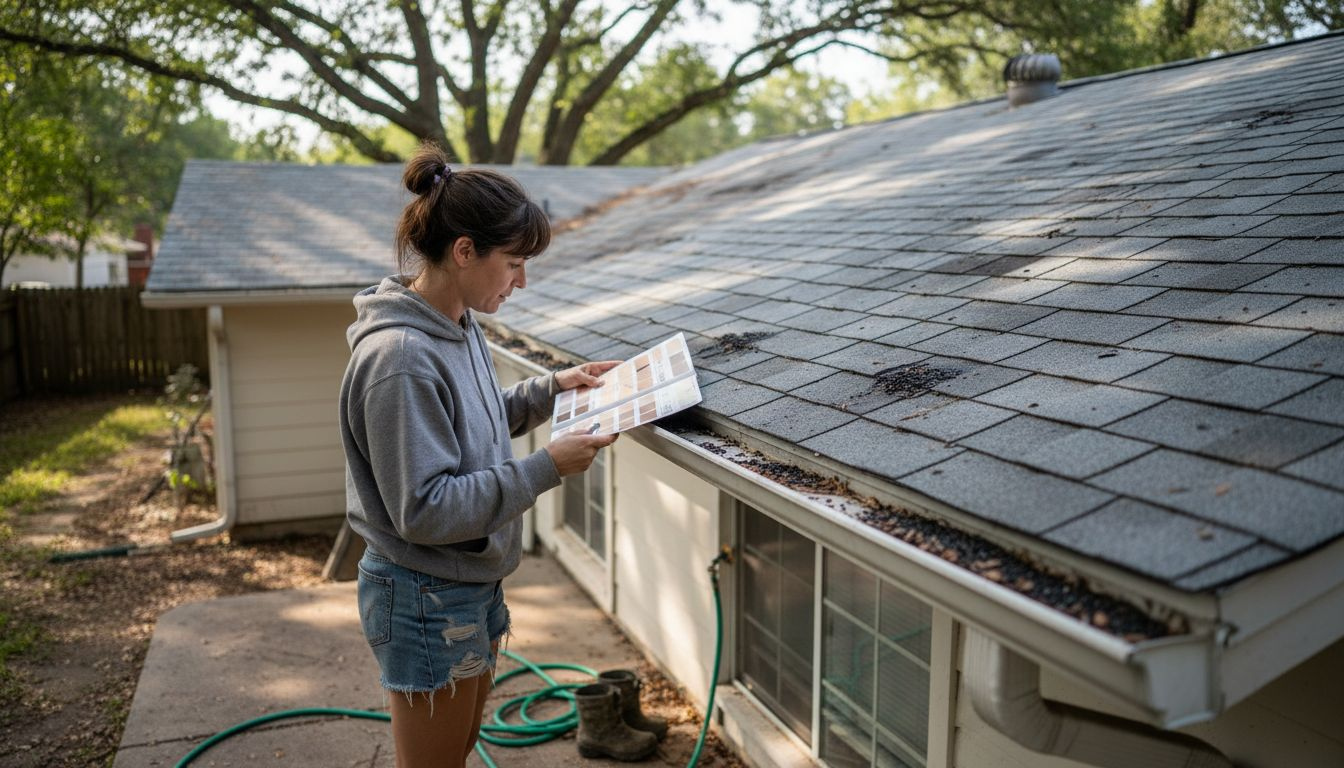
The cooling benefits of reflective roofing prove most significant in warm climates where air conditioning dominates energy bills. A white or light gray roof in Texas or Florida can reduce cooling costs by 20-40% compared to a dark brown or black roof. The temperature difference on the roof surface itself can exceed 50°F on a sunny summer day.
In colder climates, the calculation becomes more nuanced. Some homeowners assume dark roofs help with winter heating by absorbing solar warmth. However, the heating benefit rarely offsets the increased cooling costs during warmer months. Most US regions experience enough warm weather that reflective roofing still delivers net energy savings annually.
Roof color choice affects cooling costs more significantly than heating expenses in most American homes. Modern HVAC systems handle heating more efficiently than cooling, making summer heat gain the primary concern. Even in northern states, reducing solar heat gain through reflective roofing typically provides better year-round energy performance than maximizing winter solar absorption.
- Light colors work best in hot climates with long cooling seasons
- Medium tones balance aesthetics with energy performance in mixed climates
- Reflective coatings boost efficiency regardless of base color
- Cool roof technology delivers reflectivity without sacrificing design preferences
Pro Tip: Energy Star certified cool roofing products meet specific reflectivity standards while offering diverse color options. You don’t need a stark white roof to achieve significant energy savings through sustainable roofing choices.
Proper reflectivity selection contributes substantially to overall energy efficiency. When combined with adequate insulation and ventilation, roof color becomes a powerful tool for controlling indoor temperatures and reducing utility expenses throughout the year.
Integrating solar panels with energy-efficient roofing
Solar panels transform sunlight into electricity, potentially reducing energy costs by 30-50% depending on system size and local utility rates. However, solar panel efficiency depends heavily on the roofing system beneath them. Hot roof surfaces reduce panel output because photovoltaic cells lose efficiency as temperatures rise. Cool roofs maintain lower surface temperatures, boosting solar panel efficiency by 10-15% compared to panels mounted on heat-absorbing roofs.
Energy-efficient roofing prevents solar panel overheating, extending equipment lifespan and maintaining optimal performance. Panels operating at cooler temperatures experience less thermal stress, reducing degradation rates and warranty claims. This synergy between roofing and solar systems maximizes your investment returns over the 25-30 year lifespan of typical solar installations.
Successful integration requires careful planning during roof design or upgrades:
- Select roofing materials compatible with solar mounting systems and capable of supporting additional weight
- Ensure roof structure can handle combined loads of roofing materials and solar equipment
- Install proper ventilation to maintain air circulation beneath panels and prevent heat buildup
- Choose reflective roofing colors that reduce ambient temperatures around solar arrays
- Coordinate roofing and solar installations to avoid redundant labor and maximize efficiency
- Verify warranty terms cover both roofing and solar components without conflicts
- Plan electrical conduit routes during roofing work to simplify solar installation
The sequence matters when upgrading existing homes. Installing new energy-efficient roofing before adding solar panels prevents the need to remove and reinstall expensive solar equipment when the roof reaches end of life. This approach saves thousands in labor costs and ensures your solar energy system operates on a durable foundation.
Pro Tip: Schedule roofing upgrades and solar installation together when possible. Coordinated projects reduce total costs through shared labor, equipment mobilization, and permit processing.
Understanding solar roofing benefits helps you make informed decisions about timing and material selection. The right combination of energy-efficient roofing and solar panels creates a powerful system that slashes utility bills while increasing property value. Following a comprehensive solar roofing checklist ensures nothing gets overlooked during planning and installation.
Common misconceptions about roofing and energy efficiency
Many homeowners believe dark roofs perform better in cold climates by absorbing solar heat during winter. This assumption ignores that insulation quality matters far more than solar heat absorption for winter comfort. A well-insulated roof with reflective materials outperforms a poorly insulated dark roof in any climate. The minimal winter heating benefit rarely justifies increased summer cooling costs.
Roof color impact varies significantly by climate zone and building design. A dark roof in Minnesota might seem logical for winter warmth, but modern homes lose most heat through inadequate insulation, not lack of solar absorption. The same dark roof forces air conditioners to work overtime during summer months, negating any winter advantages.
Another widespread myth suggests solar panels alone solve energy efficiency challenges. While solar panels generate electricity, they don’t address thermal regulation issues. A home with solar panels but poor roofing still wastes energy through excessive heat gain or loss. The roof’s thermal properties affect how much energy you need, while solar panels affect how you generate that energy. Both elements require optimization.
Some believe all reflective roofing looks institutional or unattractive. Modern cool roofing technology offers diverse colors and styles that maintain high reflectivity. Manufacturers produce attractive shingles, tiles, and metal roofing in earth tones that reflect significantly more heat than traditional dark materials while preserving aesthetic appeal.
- Roof color alone doesn’t determine energy performance without proper insulation
- Solar panels work best when combined with thermally efficient roofing systems
- Cool roofing technology provides energy benefits across all climate zones
- Aesthetic preferences don’t require sacrificing energy efficiency anymore
- Initial cost differences between standard and energy-efficient roofing pay back through utility savings
Choosing roofing based purely on aesthetics or upfront cost often sacrifices long-term savings. Energy-efficient options typically cost 10-20% more initially but deliver 30-50% better thermal performance. The payback period through reduced utility bills usually runs 5-8 years, after which the savings continue for the roof’s remaining lifespan. Understanding why solar roofing makes financial sense helps homeowners look beyond initial sticker shock to lifetime value.
Comparative analysis of roofing types for energy savings
Different roofing materials deliver varying energy performance based on their thermal properties, reflectivity, and durability. Understanding these differences helps you select options that align with your climate zone, budget, and energy goals.
| Roofing Type | Surface Temp Reduction | Energy Savings Potential | Best Climate Zones | Solar Compatibility |
|---|---|---|---|---|
| Cool Asphalt Shingles | 30-40°F vs standard | 15-25% cooling costs | All US zones | Good with proper ventilation |
| Metal with Reflective Coating | 40-50°F vs dark metal | 20-35% cooling costs | Hot and mixed climates | Excellent, mounting ease |
| Clay/Concrete Tiles | 20-30°F thermal mass benefit | 10-20% overall energy | Hot dry climates | Good, requires structural assessment |
| Standard Dark Shingles | Baseline (highest temps) | Baseline performance | None recommended | Fair, reduces panel efficiency |
| White/Light TPO/PVC | 50-60°F vs dark roofs | 25-40% cooling costs | Hot humid climates | Excellent for commercial |
Cool roofs significantly reduce surface temperatures and cooling costs compared to traditional asphalt shingles. A standard dark shingle roof might reach 170°F on a summer afternoon, while a cool roof stays near 120°F under identical conditions. This 50°F difference translates directly into reduced heat transfer into your building.
Asphalt shingles remain America’s most popular roofing choice due to affordability and versatility. However, standard dark shingles absorb maximum heat, increasing energy consumption and reducing solar panel performance by creating hotter mounting surfaces. Cool asphalt shingles with reflective granules offer a middle ground, providing familiar aesthetics with improved energy performance at modest cost premiums.
Ventilation combined with reflective materials amplifies energy efficiency beyond what either strategy achieves alone. A reflective metal roof with proper ridge and soffit venting maintains 20-30°F cooler attic temperatures than the same material without ventilation. This cooling effect extends equipment life while reducing energy waste.
- Metal roofing excels in durability and solar mounting simplicity
- Cool shingles balance cost, performance, and aesthetic flexibility
- Tile roofing provides thermal mass benefits in appropriate climates
- White commercial roofing delivers maximum reflectivity for flat or low-slope applications
This comparative data helps you choose solar roofing materials that optimize both thermal performance and solar panel efficiency. Your specific priorities around cost, longevity, aesthetics, and energy savings determine which option delivers the best value for your property.
Practical guidelines for selecting energy-efficient roofing solutions
Selecting optimal roofing requires matching material properties to your specific circumstances. Following these guidelines ensures your investment delivers maximum energy savings and performance.
- Assess your local climate zone using Department of Energy regional maps to identify whether cooling or heating dominates your energy costs
- Prioritize roofing materials with high solar reflectance and thermal emittance ratings, especially in warm climates where cooling costs exceed heating expenses
- Plan for solar integration during initial roof design or replacement to avoid expensive retrofits and ensure structural compatibility
- Ensure adequate ventilation through properly sized ridge vents, soffit vents, and attic fans to maintain optimal temperatures and prevent moisture problems
- Balance upfront costs against long-term energy savings by calculating payback periods based on your utility rates and climate conditions
- Verify manufacturer warranties cover both material durability and energy performance claims to protect your investment
- Consult with experienced contractors who understand regional climate challenges and building code requirements
Your climate zone determines which roofing characteristics matter most. Hot regions benefit most from high reflectivity and thermal emittance. Cold climates prioritize insulation thickness and air sealing. Mixed climates require balanced solutions that perform adequately across temperature extremes.
Roofing with high reflectivity ratings reduces cooling costs but provides limited heating benefits. Look for Solar Reflectance Index (SRI) values above 78 for optimal cooling performance in warm climates. In northern regions where heating dominates, focus on R-value improvements through enhanced insulation rather than relying on solar heat absorption.
Pro Tip: Request Energy Star certification documentation for any roofing materials claiming energy efficiency benefits. Third-party verification ensures products meet performance standards rather than relying solely on manufacturer claims.
Planning for solar integration early prevents costly mistakes. Verify your roof structure can support additional solar equipment weight, typically 3-5 pounds per square foot. Ensure roofing materials accommodate mounting hardware without compromising waterproofing or warranties. Selecting compatible roofing and solar systems upfront avoids expensive modifications later.
Proper ventilation maintains energy performance and extends material lifespan. Calculate required vent area using the 1:150 rule (1 square foot of vent per 150 square feet of attic space). Split ventilation between intake (soffit) and exhaust (ridge) vents for optimal airflow. Inadequate ventilation negates energy-efficient materials by trapping heat and moisture.
Balancing cost, durability, and energy savings requires analyzing total ownership expenses over your roof’s expected lifespan. A premium cool metal roof might cost $15,000 versus $8,000 for standard shingles, but deliver $200-300 annual energy savings while lasting 50 years instead of 20. The long-term return justifies the higher initial investment for homeowners planning extended occupancy.
Enhance your property’s energy efficiency with expert roofing and solar solutions
Professional roofing upgrades dramatically reduce energy bills while creating optimal conditions for solar power generation. Combining energy-efficient roofing materials with properly designed solar systems delivers maximum savings and sustainability benefits.
Integrating solar panels with thermally optimized roofing boosts electricity generation while cutting heating and cooling costs. This dual approach addresses energy consumption from both generation and conservation angles. The synergy between these systems amplifies savings beyond what either achieves independently.
Sunflowers Energy offers tailored roofing services designed to maximize your property’s energy performance. Our team evaluates your specific climate conditions, structural requirements, and energy goals to recommend optimal materials and designs. We specialize in coordinating roofing upgrades with solar installations for comprehensive energy solutions that reduce utility expenses while increasing property value. Whether you need residential or commercial solutions, our experts design customized solar systems that complement your energy-efficient roofing for maximum performance and savings.
Frequently asked questions
How does roofing influence my energy bills?
Roofing affects energy costs through thermal regulation and solar heat management. Materials with high reflectivity and proper insulation reduce heat transfer, lowering heating and cooling demands. Poor roofing can increase energy consumption by 30-40% compared to optimized systems.
Can roof color really impact heating or cooling costs?
Roof color significantly affects cooling expenses by determining solar heat absorption. Light-colored roofs reflect 65% of solar radiation while dark roofs absorb 80%, creating temperature differences of 50°F or more. This translates into 20-40% cooling cost variations in warm climates.
What roofing materials work best with solar panels?
Metal roofing and cool asphalt shingles perform best with solar installations. These materials maintain lower surface temperatures, improving panel efficiency by 10-15% while simplifying mounting hardware installation. Reflective materials also extend solar equipment lifespan by reducing thermal stress.
Is ventilation important for energy-efficient roofing?
Proper ventilation proves critical for maintaining energy performance and preventing moisture damage. Adequate airflow reduces attic temperatures by 30°F, preventing heat buildup that radiates into living spaces. Without ventilation, even the most reflective roofing materials lose significant efficiency.
How do I choose the right roof for my climate?
Select roofing based on whether cooling or heating dominates your energy costs. Hot climates benefit most from high reflectivity and thermal emittance. Cold regions prioritize insulation thickness and air sealing. Mixed climates require balanced solutions with adequate performance across temperature extremes.
Recommended
- Benefits of Solar Roofing: Transforming Home Efficiency – Sunflowers Energy LLC A Roofing and Solar Companys
- What is a sustainable roof? Cut energy use 20% in 2026 – Sunflowers Energy LLC A Roofing and Solar Companys
- Why Choose Solar Roofing: Savings, Durability, Value – Sunflowers Energy LLC A Roofing and Solar Companys
- Solar Energy Efficiency Guide for Maximized Home Savings – Sunflowers Energy LLC A Roofing and Solar Companys
- Energy Efficiency in Roofing: Lower Bills in Houston