Sustainable roofing examples for energy savings 2026
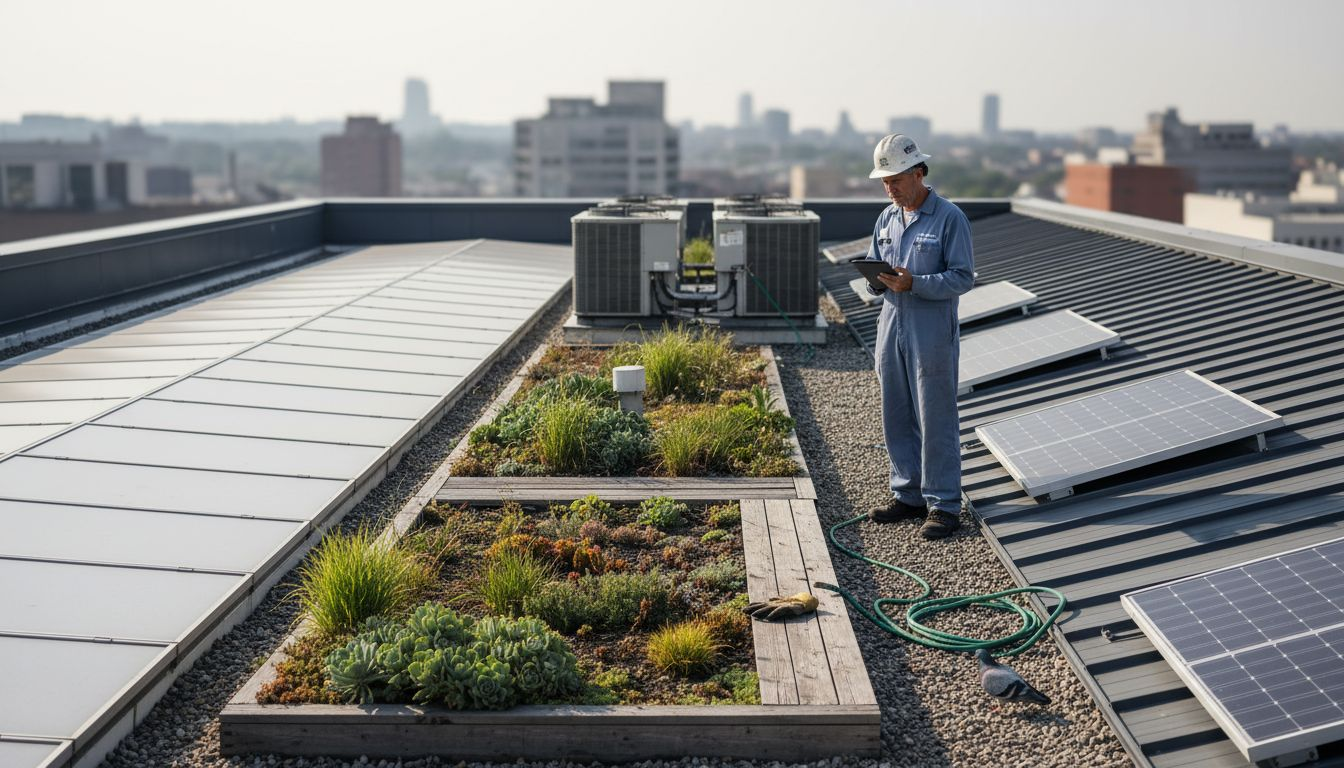
Choosing the right sustainable roofing can feel overwhelming with so many options claiming environmental and energy benefits. Making an informed decision requires understanding key evaluation criteria and how different roofing types perform in real-world applications. This guide walks you through proven sustainable roofing examples, their measurable benefits, and best use scenarios to help you select the option that aligns with your climate, budget, and sustainability goals.
Table of Contents
- How To Choose Sustainable Roofing: Key Criteria
- Cool Roofs: Reflective And Energy Saving
- Green Roof Systems: Living Roofing For Urban Sustainability
- Solar-Integrated Roofing Solutions
- Metal Roofing: Durable And Recyclable
- Comparative Overview: Selecting The Right Sustainable Roof
- Financial Incentives And Considerations For Sustainable Roofing
- Making The Right Choice: Situational Recommendations
- Explore Sustainable Roofing Solutions With Sunflowers Energy
- Examples Of Sustainable Roofing FAQ
Key takeaways
| Point | Details |
|---|---|
| Evaluation criteria matter | Durability, energy efficiency, and lifecycle costs determine true sustainability value. |
| Cool roofs cut cooling loads | Reflective surfaces reduce temperatures by up to 40°F, lowering cooling energy use. |
| Green roofs manage urban challenges | Living roofs deliver 7-15% energy savings while reducing urban heat and stormwater runoff. |
| Solar integration maximizes savings | Combined roofing and solar systems boost energy savings 20-40% over conventional options. |
| Metal roofing leads in longevity | With 40-70 year lifespans and high recyclability, metal roofs offer exceptional durability. |
How to choose sustainable roofing: key criteria
Before diving into specific roofing types, you need a framework for evaluating sustainable options. Six core criteria separate truly sustainable roofing from greenwashed alternatives.
Durability and lifespan directly impact long-term value. A roof lasting 50 years creates less waste and requires fewer replacements than one needing replacement every 15 years. Material longevity matters as much as initial sustainability claims.
Energy efficiency through solar reflectivity reduces operational costs. Light-colored or specially coated materials reflect more sunlight, keeping buildings cooler and cutting air conditioning demand. Understanding the role of roofing in energy efficiency helps you quantify potential savings.
Environmental impacts include embodied carbon from manufacturing and transportation. Materials with lower carbon footprints and high recycled content score better on this measure. End-of-life recyclability also factors into overall environmental performance.
Key evaluation factors include:
- Initial installation cost versus long-term operational savings
- Compatibility with your local climate and weather patterns
- Building type and structural requirements
- Available maintenance resources and expertise
- Regional building codes and warranty terms
Financial incentives can dramatically improve affordability. Federal tax credits, state rebates, and utility programs often offset 20-30% of installation costs for qualifying sustainable roofing systems.
Pro Tip: Create a weighted scorecard with these criteria to compare roofing options objectively. Assign point values based on your priorities like energy savings, budget constraints, or maintenance capacity.
Local climate strongly influences which sustainable roof options cut energy use most effectively. Hot climates benefit more from reflective surfaces, while cold regions need insulation-focused solutions.
Cool roofs: reflective and energy saving
Cool roofs use highly reflective materials to minimize heat absorption, making them ideal for hot and sunny climates. These surfaces reduce temperatures by 30-40°F compared to conventional dark roofing.
The technology works through two mechanisms. High solar reflectance bounces sunlight away before it converts to heat. High thermal emittance releases absorbed heat quickly rather than transferring it into your building.
Common cool roof materials include:
- White thermoplastic polyolefin (TPO) or polyvinyl chloride (PVC) membranes
- Light-colored metal roofing with reflective coatings
- Specialized reflective shingles for residential applications
- Elastomeric coatings applied over existing roofs
Cooling energy reductions typically range from 10-30% in warm climates. Buildings in Arizona, Texas, and Southern California see the most dramatic savings. The modest upfront cost premium over standard materials pays back through lower utility bills.
Cool roofs work best when combined with proper attic insulation and ventilation. The reflective surface reduces heat gain, while insulation prevents remaining heat from entering living spaces.
Pro Tip: Light-colored roofing may increase heating costs slightly in cold climates during winter months. Run a full-year energy analysis before choosing cool roofing in northern regions.
Maintenance requirements remain minimal. Periodic cleaning maintains optimal reflectivity, especially in areas with heavy pollen or air pollution. Most cool roof coatings last 10-20 years before requiring reapplication.
For maximum energy efficiency with cool roofs, select products with Solar Reflectance Index (SRI) values above 78 for steep-slope roofs or above 82 for low-slope applications. These thresholds qualify for many energy efficiency rebate programs.
Green roof systems: living roofing for urban sustainability
Green roofs transform rooftops into planted ecosystems, offering unique benefits for urban properties. These systems provide 7-15% energy savings depending on climate, design depth, and plant selection.
The vegetation layer acts as natural insulation, keeping buildings cooler in summer and warmer in winter. Evapotranspiration from plants creates additional cooling effects without mechanical systems.
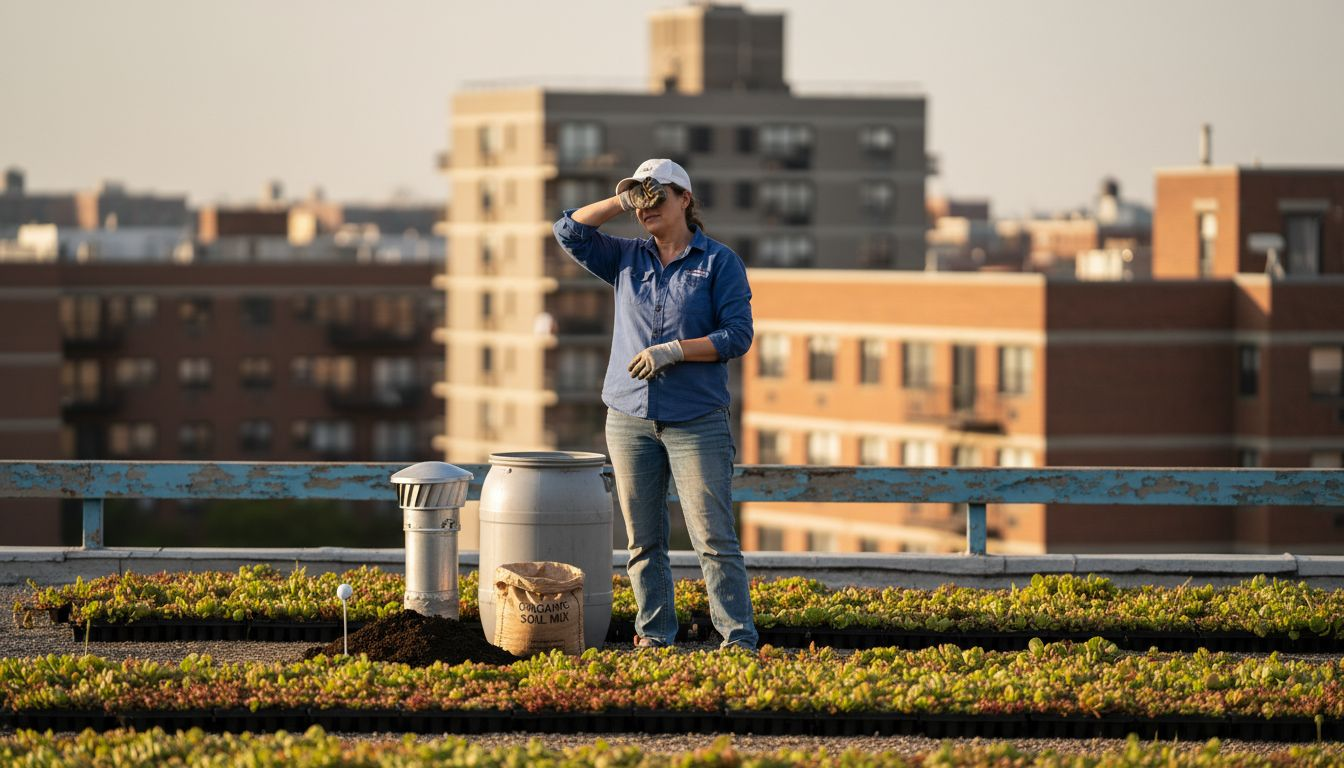
Urban heat island reduction represents a major green roof advantage. Cities with extensive green roof coverage see ambient temperature decreases of 2-5°F. This community-wide benefit extends beyond individual property savings.
Stormwater management capabilities set green roofs apart from other sustainable options. The growing medium absorbs 50-90% of rainfall, reducing runoff that overwhelms municipal systems. This feature proves especially valuable in dense urban areas with aging infrastructure.
Green roof types include:
- Extensive systems with shallow growing medium (2-6 inches) and hardy plants
- Intensive systems with deeper soil (6+ inches) supporting diverse vegetation
- Semi-intensive hybrid designs balancing accessibility and plant variety
Suitability depends on building structure and location. Green roofs work best on flat or low-slope roofs with adequate structural capacity. Urban residential buildings, commercial properties, and institutional facilities make ideal candidates.
Maintenance requirements exceed conventional roofing but remain manageable. Extensive systems need 2-4 inspections yearly for weeding, irrigation checks, and drainage maintenance. Intensive systems require more frequent attention similar to ground-level landscaping.
Initial costs run higher than most alternatives, typically $10-25 per square foot installed. However, green roofs last 40-55 years when properly maintained, outlasting conventional roofing by 15-25 years. Understanding green roofs energy savings potential helps justify the investment.
Solar-integrated roofing solutions
Solar-integrated roofs combine energy generation with weather protection, delivering 20-40% higher energy savings than conventional roofing alone. These systems transform your roof from a passive building component into an active energy producer.
Integration approaches vary by technology and building requirements. Traditional solar panels mount on top of conventional roofing materials using racking systems. Solar shingles integrate directly into the roof surface, serving dual purposes as both roofing material and energy generator.
Electricity generation offsets or eliminates utility bills depending on system size and energy consumption. Excess power often feeds back into the grid through net metering programs, creating additional financial returns.
Key advantages include:
- Dual functionality reducing total project costs compared to separate roof and solar installations
- Enhanced property value averaging 4-6% above comparable homes
- Protection from future utility rate increases through self-generated power
- Reduced carbon footprint by displacing fossil fuel electricity
Compatibility spans residential and commercial applications. Most building types with adequate sun exposure and structural capacity can accommodate solar-integrated roofing. South-facing roof sections in the northern hemisphere maximize energy production.
Upfront costs range higher than non-solar alternatives, typically $15-30 per square foot for complete systems. Federal tax credits covering 30% of installation costs significantly improve economics. State and utility rebates provide additional savings in many markets.
System lifespan reaches 25-30 years for solar components, with roofing materials often lasting longer. This longevity combined with energy savings creates favorable return on investment timelines of 7-12 years in most US markets.
Exploring comprehensive solar roofing benefits reveals how these systems deliver value beyond simple energy bill reduction through improved resilience and grid independence.
Metal roofing: durable and recyclable
Metal roofing delivers exceptional longevity and recyclability, making it a sustainable choice for diverse climates. These systems last 40-70 years, outlasting asphalt shingles by 2-3 times.
The material’s inherent durability resists fire, rot, insect damage, and extreme weather. Metal roofs withstand hurricane-force winds, heavy snow loads, and hail better than most alternatives. This resilience reduces replacement frequency and associated environmental impacts.
Recyclability sets metal apart from petroleum-based roofing products. Steel and aluminum roofing contain 25-95% recycled content depending on the product. At end of life, metal roofing recycles completely without quality degradation.
Metal roofing accounts for approximately 12% of residential roof types in the US due to its durability and recyclability benefits. This market share continues growing as homeowners prioritize lifecycle value over initial costs.
Energy efficiency varies by finish and color. Reflective metal roofing with specialized coatings performs similarly to dedicated cool roof products, reducing cooling loads by 10-25%. Darker finishes offer less reflectivity but still outperform conventional asphalt shingles.
Cost considerations include:
- Higher upfront investment of $7-14 per square foot installed
- Minimal maintenance requirements saving long-term costs
- Excellent resale value and buyer appeal
- Potential insurance discounts in storm-prone regions
Installation requires specialized expertise but proceeds quickly once materials arrive. Standing seam metal roofing accommodates solar panel mounting without penetrating the weather barrier, an advantage for future solar additions.
Noise during rain events concerns some homeowners. Proper insulation and underlayment largely eliminate this issue. Modern metal roofing sounds no louder than other materials when correctly installed.
Weight advantages allow metal roofing installation over existing roofs in some cases, reducing tear-off waste. Lightweight aluminum options work well for buildings with limited structural capacity.
Exploring why to choose durable metal roofing reveals additional performance benefits in various climate zones and building applications.
Comparative overview: selecting the right sustainable roof
Comparing sustainable roofing options side by side clarifies which type best matches your specific needs. The following table summarizes key performance factors across major sustainable roofing categories.
| Roofing Type | Lifespan | Cost Range | Energy Efficiency | Best Use Cases |
|---|---|---|---|---|
| Metal | 40-70 years | $7-14/sq ft | 10-25% cooling savings | All climates, long-term value focus |
| Cool Roof | 10-20 years | $4-8/sq ft | 10-30% cooling savings | Hot, sunny climates |
| Green Roof | 40-55 years | $10-25/sq ft | 7-15% total savings | Urban areas, flat roofs, stormwater management |
| Solar-Integrated | 25-30 years | $15-30/sq ft | 20-40% total savings | Maximum energy generation, incentive qualification |
| Recycled Asphalt | 15-25 years | $3-6/sq ft | 5-10% with reflective coating | Budget-conscious, shorter-term needs |
Metal roofing excels when longevity and recyclability top your priority list. The higher initial investment pays off through decades of maintenance-free performance and complete end-of-life recyclability.
Cool roofs deliver maximum value in hot climates where cooling dominates energy bills. Southern states see the fastest payback periods, often under 5 years.
Green roofs make sense for urban properties prioritizing multiple benefits beyond energy savings. Stormwater management, habitat creation, and urban heat reduction justify the higher costs in dense city environments.
Solar-integrated systems generate the highest energy savings and financial returns when you have adequate budget and sun exposure. Federal and state incentives significantly improve project economics.
Recycled asphalt shingles offer an entry point for sustainable roofing on tight budgets. While not matching other options’ performance, they beat conventional asphalt through recycled content and optional reflective coatings.
Decision factors to weigh:
- Available upfront capital versus long-term value priorities
- Local climate and dominant heating or cooling loads
- Building structure and any load capacity limitations
- Desired maintenance involvement over the roof’s lifetime
- Importance of additional benefits like stormwater management
Reviewing a detailed solar energy efficiency guide helps quantify potential savings from solar-integrated options. Similarly, understanding comprehensive sustainable roof comparisons provides context for energy performance claims.
Financial incentives and considerations for sustainable roofing
Federal and state programs dramatically improve sustainable roofing affordability through tax credits and rebates. Understanding available incentives often makes the difference between choosing sustainable options or conventional alternatives.
The federal residential clean energy credit covers up to 30% of solar-integrated roofing costs through 2032. This substantial benefit applies to complete system costs including installation labor.
State-level programs vary widely by location. California, New York, Massachusetts, and New Jersey offer particularly generous incentives. Many states provide additional tax credits or rebates stacking with federal benefits.
Utility company rebates reward energy efficiency improvements in many markets. Cool roof installations, green roof systems, and solar integration all qualify for various programs depending on local utility policies.
Key financial considerations include:
- Solar-integrated roofs typically qualify for the most substantial federal credits
- Green roofs may qualify for stormwater management credits in some municipalities
- Cool roofs often receive utility rebates tied to peak demand reduction
- Energy-efficient metal roofing sometimes qualifies for broader efficiency incentives
Payback periods vary by roofing type and local conditions. Solar-integrated systems in sunny states with high electricity rates achieve payback in 7-10 years. Cool roofs in hot climates pay back faster, often within 3-5 years.
Property value increases provide additional financial returns. Studies show sustainable roofing improvements boost home values by 3-8% depending on local market preferences and roofing type.
Financing options expand access to sustainable roofing. Property Assessed Clean Energy (PACE) programs allow repayment through property tax bills. Many solar installers offer zero-down financing with monthly payments lower than projected energy savings.
Consulting resources about solar roofing incentives ensures you capture all available financial benefits when planning your roofing project.
Making the right choice: situational recommendations
Matching roofing type to your specific situation ensures optimal performance and satisfaction. These recommendations synthesize earlier insights into practical decision guidelines.
-
Choose cool roofs when living in hot climates like Arizona, Nevada, or Southern California where cooling dominates energy use. The low cost and high cooling savings deliver fast payback.
-
Select green roofs for urban properties where stormwater management, urban heat reduction, and habitat creation matter alongside energy savings. Flat or low-slope commercial buildings make ideal candidates.
-
Pick metal roofing when prioritizing long-term durability and minimal maintenance across any climate. The 40-70 year lifespan and complete recyclability justify higher upfront costs for value-focused buyers.
-
Opt for solar-integrated systems when maximizing energy production and leveraging substantial federal tax credits. Properties with good sun exposure and higher electricity rates see the best returns.
-
Consider recycled asphalt shingles on tight budgets while still wanting some sustainability benefits. These offer better environmental performance than conventional shingles at modest cost premiums.
Pro Tip: Request energy modeling from qualified contractors before deciding. Computer simulations using your building specifications and local weather data predict actual energy savings more accurately than generalized estimates.
Climate zone strongly influences optimal choice. Hot-humid climates benefit most from cool roofs and proper ventilation. Cold climates need insulation-focused solutions rather than reflectivity. Mixed climates require balanced approaches considering both heating and cooling loads.
Building age and condition matter too. Newer structures with adequate load capacity accommodate any sustainable roofing type. Older buildings may need structural upgrades before installing heavier options like green roofs or some metal systems.
Future plans affect roofing decisions. If you plan to add solar panels within a few years, choose roofing compatible with solar mounting or install integrated systems immediately to avoid redundant projects.
Resources for choosing solar roofing provide additional guidance for properties pursuing maximum energy independence. Comprehensive information about sustainable roofing choices helps you evaluate options systematically.
Explore sustainable roofing solutions with Sunflowers Energy
Sunflowers Energy delivers expert sustainable roofing and solar integration services tailored to your energy savings goals. Our team helps you navigate roofing options, incentive programs, and installation requirements for optimal home efficiency.
Explore our comprehensive roofing services to find sustainable solutions matching your budget and performance requirements. Our solar energy efficiency guide details how integrated systems maximize savings. Review our solar installation steps to understand the process from consultation through final commissioning. Professional installation ensures your sustainable roofing investment delivers promised durability, efficiency, and incentive compliance for decades.
Examples of sustainable roofing FAQ
What types of roofing are considered sustainable?
Sustainable roofing includes cool roofs with reflective surfaces, green roofs with vegetation layers, solar-integrated systems generating electricity, metal roofing with high recyclability, and recycled content asphalt shingles. Each type offers different combinations of energy efficiency, durability, and environmental benefits suited to specific climates and building requirements.
How much can sustainable roofing reduce my energy bills?
Energy bill reductions vary by roofing type and climate. Cool roofs cut cooling costs 10-30% in hot regions. Green roofs provide 7-15% total energy savings. Solar-integrated roofing delivers 20-40% savings by generating electricity, while reflective metal roofing reduces cooling loads 10-25%.
Are green roofs expensive to maintain?
Green roof maintenance costs range from moderate to substantial depending on system type. Extensive systems need 2-4 inspections yearly costing $0.75-$1.50 per square foot annually. Intensive systems require more frequent maintenance similar to ground-level landscaping, costing $2-$4 per square foot yearly.
Can I combine solar panels with sustainable roofing?
You can absolutely combine solar panels with most sustainable roofing types. Metal roofing works particularly well with solar through standing seam mounting systems. Cool roofs and solar panels complement each other by reducing both cooling loads and electricity costs simultaneously for maximum energy savings.
What incentives are available for sustainable roofing in the US?
Federal tax credits cover up to 30% of solar-integrated roofing costs through 2032. Many states offer additional tax credits or rebates for various sustainable roofing types. Utility companies provide rebates for cool roofs and energy-efficient systems in numerous markets. Available incentives vary significantly by location and roofing type.
Recommended
- What is a sustainable roof? Cut energy use 20% in 2026 – Sunflowers Energy LLC A Roofing and Solar Companys
- Role of roofing in energy efficiency: reduce costs – Sunflowers Energy LLC A Roofing and Solar Companys
- Why Choose Solar Roofing: Savings, Durability, Value – Sunflowers Energy LLC A Roofing and Solar Companys
- Benefits of Solar Roofing: Transforming Home Efficiency – Sunflowers Energy LLC A Roofing and Solar Companys