
How roofing boosts energy savings and solar efficiency
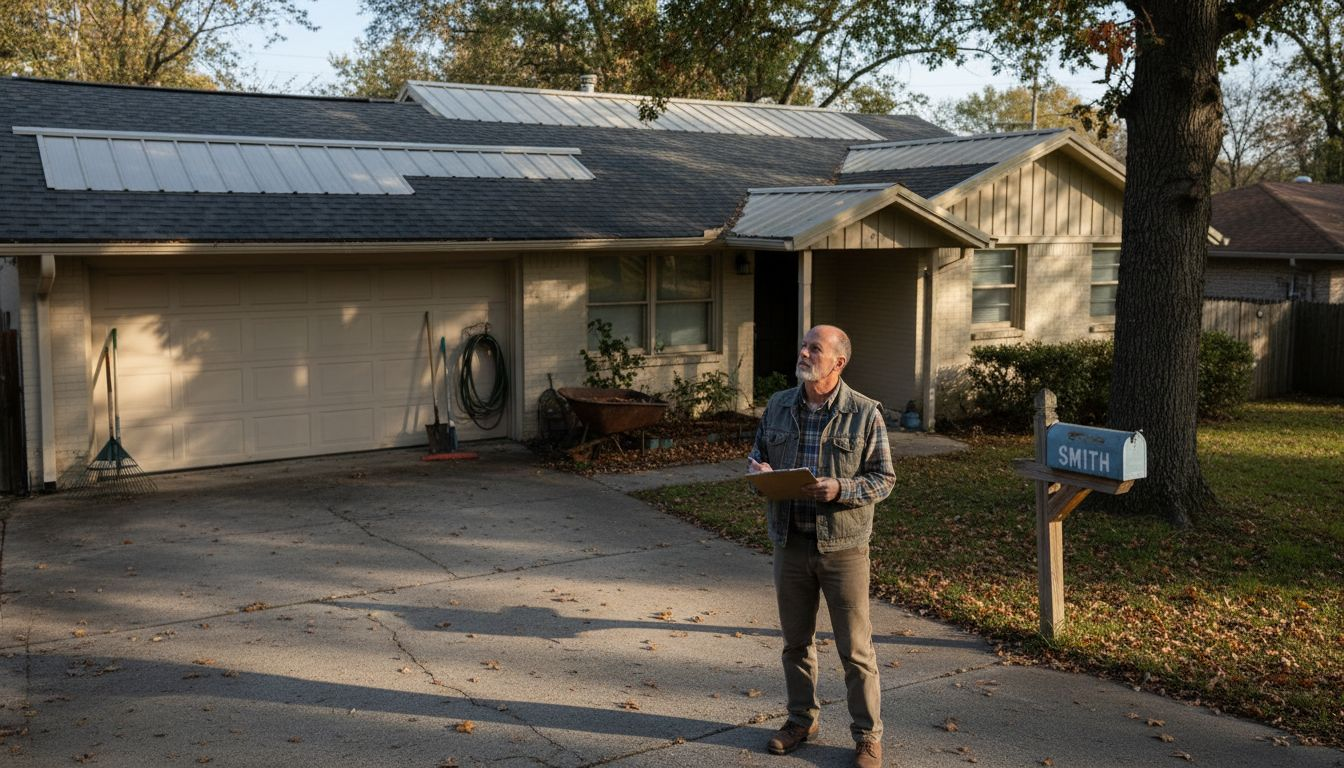
Choosing the right roof can slash your energy bills by up to 20%. Your roof does more than protect you from rain; it controls how much heat enters or escapes your building, directly affecting heating and cooling costs. Smart roofing choices also make solar panel installations faster and more efficient. This guide reveals how material, color, and design decisions transform your roof into a powerful tool for energy savings and sustainability.
Table of Contents
- Key Takeaways
- Introduction To Roofing And Energy Efficiency
- How Roofing Materials Affect Thermal Insulation And Energy Use
- Roof Color, Reflectance, And Their Impact On Energy Savings
- Integrating Solar Panels With Roofing: Design And Energy Efficiency
- Common Misconceptions About Roofing And Energy Savings
- Comparing Roofing Materials And Their Energy Efficiency Benefits
- Practical Steps To Optimize Roofing For Energy Savings
- Conclusion: Roofing As A Strategic Investment For Long-Term Energy Savings
- Explore Our Roofing And Solar Solutions For Energy Savings
- FAQ
Key takeaways
| Point | Details |
|---|---|
| Material matters | Metal, tile, and asphalt roofs offer distinct insulation values and thermal mass, directly impacting HVAC energy use. |
| Color drives cooling costs | Light-colored roofs reflect heat and reduce air conditioning demand, while dark roofs absorb warmth beneficial in cold climates. |
| Solar-ready design saves time | Roofs designed for solar panels cut installation time by 30% and maintenance costs by 15%. |
| Myths mislead decisions | Common misconceptions about dark roofs and insulation costs prevent homeowners from optimizing energy savings. |
| Strategic upgrades pay off | Practical roofing improvements deliver measurable energy reductions and long-term economic returns. |
Introduction to roofing and energy efficiency
Roofing sits at the center of your building’s thermal regulation. Every material and design choice affects how much energy your HVAC system consumes. Buildings lose significant heat through poorly insulated roofs in winter and gain excessive heat in summer, driving up utility bills year-round. When you understand roofing’s role, you unlock opportunities to reduce energy waste and carbon footprint.
Three core factors determine roofing energy performance:
- Thermal insulation: How effectively the roof resists heat flow between inside and outside.
- Solar reflectance: The percentage of sunlight the roof surface reflects rather than absorbs.
- Solar compatibility: How well the roof supports solar panel installation and operation.
Homeowners and business owners often overlook roofing when planning energy upgrades. Yet roofing decisions influence heating, cooling, and renewable energy generation simultaneously. A well-chosen roof reduces reliance on fossil fuels, lowers monthly expenses, and increases property value. Integrating these factors from the start maximizes both immediate comfort and long-term savings.
Sustainability goals become achievable when roofing aligns with energy efficiency strategies. Buildings account for nearly 40% of global energy consumption, and roofs represent one of the largest surface areas exposed to weather extremes. Optimizing this critical component creates measurable environmental benefits while improving indoor climate control. Smart roofing turns your building envelope into an active participant in energy conservation.
How roofing materials affect thermal insulation and energy use
Different roofing materials offer vastly different insulation properties and thermal mass characteristics. Metal roofs conduct heat rapidly, making them responsive to temperature changes but requiring robust underlayment insulation. Asphalt shingles provide moderate insulation and remain the most affordable option for residential projects. Tile roofs feature high thermal mass, absorbing heat slowly during the day and releasing it gradually at night, which benefits climates with large temperature swings.
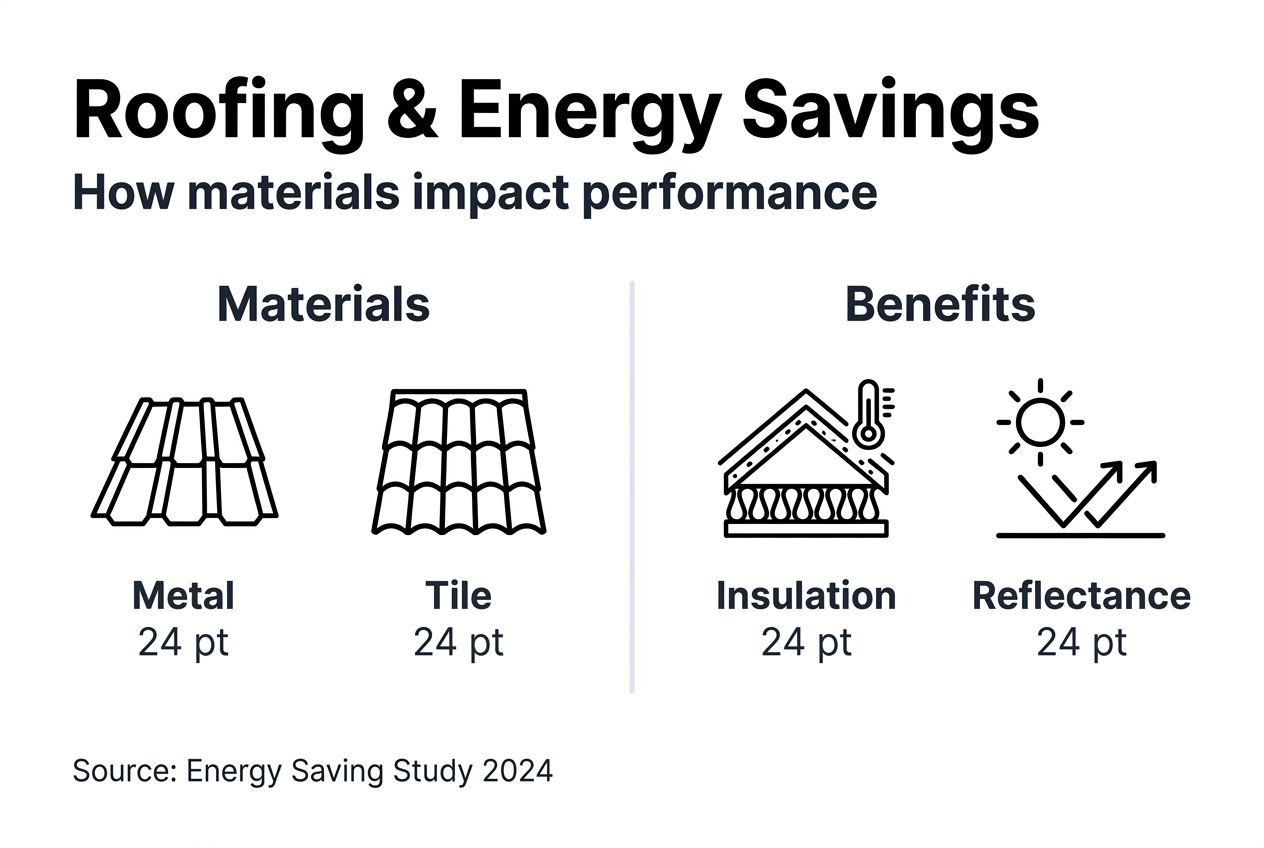
Material selection directly impacts how hard your HVAC system works. Proper roof insulation can cut HVAC energy needs by up to 25%, translating to substantial annual savings. Metal roofs paired with reflective coatings excel in hot climates by bouncing solar radiation away. Tile roofs suit Mediterranean and desert regions where thermal mass stabilizes indoor temperatures. Asphalt shingles work well in temperate zones with moderate heating and cooling demands.
Pro Tip: Match roofing material to your local climate for maximum energy savings. Hot climates benefit from reflective metals, while cold regions gain from high thermal mass tiles that retain daytime heat.
Understanding insulation values helps you compare options accurately. R-value measures thermal resistance; higher numbers indicate better insulation. Most roofing materials have low inherent R-values, making the insulation layer beneath them critical. Combining the right surface material with adequate underlayment insulation creates a complete thermal barrier. This dual approach prevents energy loss in winter and heat gain in summer.
| Material | R-Value per Inch | Thermal Mass | Best Climate |
|---|---|---|---|
| Metal | 0.0 (requires insulation) | Low | Hot, reflective coatings |
| Asphalt Shingle | 0.44 | Medium | Temperate |
| Clay/Concrete Tile | 0.4 | High | Hot, large temp swings |
| Wood Shake | 0.97 | Medium | Cool, dry |
The interplay between material and insulation determines overall roof performance. Even premium materials fail without proper insulation layers. Conversely, excellent insulation under poorly chosen materials wastes potential. Evaluate both components together when planning upgrades. This holistic view ensures your role of roofing in energy efficiency reduce costs investment delivers maximum returns.
Roof color, reflectance, and their impact on energy savings
Solar reflectance measures how much sunlight a roof surface bounces back into the atmosphere instead of absorbing as heat. Light-colored roofs reflect 60% to 90% of solar radiation, keeping buildings cooler. Dark roofs absorb 70% to 90%, raising surface temperatures and increasing cooling loads. This difference translates directly into air conditioning costs, especially in hot climates where cooling dominates energy bills.
Cool roofing materials combine light colors with specialized reflective coatings. These surfaces stay significantly cooler than traditional dark roofs under identical sunlight. Lower roof temperatures reduce heat transfer into the building, easing the burden on air conditioning systems. Studies show cool roofs can lower peak cooling demand by 10% to 15% in commercial buildings. Residential homes see similar benefits, with noticeable reductions in second-floor temperatures and attic heat buildup.
Urban areas gain broader benefits from widespread cool roof adoption. Cool roofs reduce urban ambient temperatures by up to 3°C, mitigating heat island effects that plague dense cities. This cooling effect improves outdoor air quality and reduces heat-related health risks. Cities with cool roof incentive programs report measurable decreases in summer energy consumption across entire neighborhoods.
Cool roofs represent a simple, cost-effective strategy to combat rising urban temperatures and energy costs. Their cumulative impact on city-wide cooling demand makes them essential for sustainable urban planning.
Reflectance works differently in cold climates. Dark roofs absorb winter sunlight, providing passive solar heating that reduces furnace use. Homeowners in northern regions often prefer darker colors to capture this free heat. The key is balancing annual heating and cooling needs based on your specific climate zone. A roof that saves money in Phoenix may increase costs in Minneapolis.
Color selection should align with your dominant energy expense:
- Hot climates: Light colors minimize cooling costs and improve comfort.
- Cold climates: Dark colors reduce heating bills through solar gain.
- Mixed climates: Medium tones or climate-specific coatings balance seasonal needs.
Reflective coatings can be applied to existing roofs, offering an affordable upgrade path. These coatings restore aged roofs while boosting energy performance without full replacement. Many products maintain effectiveness for 10 to 15 years, providing sustained savings. When planning your next roof project, prioritize reflectance ratings alongside material durability and cost.
Integrating solar panels with roofing: design and energy efficiency
Solar-ready roofing designs streamline panel installation and enhance long-term system performance. These roofs incorporate reinforced structural support, optimized pitch angles, and attachment points that accommodate solar hardware. Solar panel installation speed improves by 30% with solar-ready roofing designs, lowering maintenance costs by 15%. Faster installation reduces labor expenses and minimizes disruption to your home or business operations.
Roof temperature interactions significantly affect solar panel efficiency. Solar panels on dark roofs raise roof temperature by 5 to 10°C but improve system efficiency by about 5%. This paradox occurs because panels perform better when the roof beneath them stays warmer, reducing temperature-induced efficiency losses in the photovoltaic cells. However, excessive heat still degrades performance, making ventilation and reflective underlayment important design considerations.
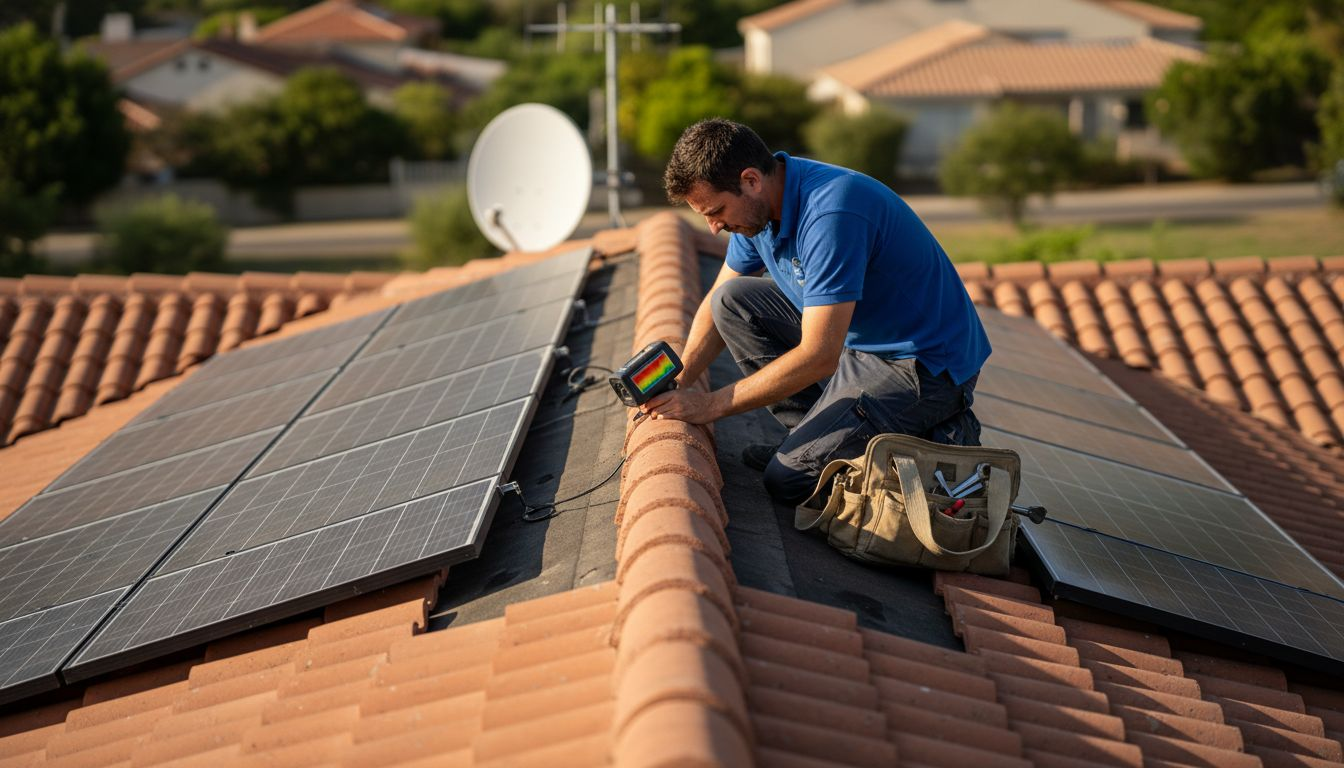
Proper roofing choices maximize solar energy returns. Metal roofs offer the longest lifespan, often outlasting solar panel warranties and eliminating the need for panel removal during roof replacement. Asphalt shingles work well but may require replacement before panels reach end of life. Tile roofs provide excellent durability but demand careful installation to avoid cracking during panel mounting. Each material presents trade-offs between upfront cost, longevity, and installation complexity.
Pro Tip: Choose roofing materials that match or exceed your solar panel lifespan to avoid costly removal and reinstallation during roof replacement.
Design considerations that optimize solar and roofing synergy include:
- Orientation: South-facing slopes in the Northern Hemisphere capture maximum sunlight.
- Pitch angle: 30 to 40 degrees suits most latitudes for year-round energy production.
- Structural capacity: Ensure rafters support combined weight of roofing and solar systems.
- Accessibility: Plan maintenance pathways that protect both roof and panel integrity.
Combining energy-efficient roofing with solar panels creates a multiplied effect. Reflective roofs reduce cooling loads while panels generate clean electricity, cutting utility bills from both directions. This dual strategy accelerates payback periods and maximizes your investment in sustainable building improvements. Explore solar energy efficiency guide home savings for detailed planning resources.
Emerging solar panel technologies also influence roofing decisions. Building-integrated photovoltaics (BIPV) replace traditional roofing materials entirely, serving as both weather barrier and energy generator. These systems simplify installation and improve aesthetics but cost more upfront. For those exploring options, reviewing 6 soorten zonnepanelen uitgelegd provides helpful context on panel varieties and performance characteristics.
Common misconceptions about roofing and energy savings
Myths about roofing energy performance lead to costly mistakes. Clearing up these misunderstandings helps you make informed decisions that truly reduce energy waste.
-
Myth: Dark roofs always increase energy costs. Reality varies by climate. Dark roofs reduce heating bills in cold regions through passive solar gain. The net effect depends on whether you spend more on heating or cooling annually. Analyze your utility bills before assuming dark roofs waste energy.
-
Myth: Roof insulation upgrades cost too much to justify. Insulation improvements often deliver the fastest payback of any energy upgrade. Federal tax credits and utility rebates frequently cover 20% to 30% of costs. Over a roof’s 20-year lifespan, insulation savings far exceed initial investment.
-
Myth: Roofing only affects aesthetics, not energy use. Your roof represents one of the largest heat exchange surfaces on your building. Material, color, and insulation choices directly determine HVAC energy consumption. Treating roofing as purely cosmetic ignores its massive impact on operating costs.
-
Myth: All reflective roofs look stark white. Modern cool roofing comes in numerous colors, including grays, tans, and earth tones. Advances in pigment technology allow dark-appearing surfaces to reflect infrared radiation effectively. You can achieve energy savings without sacrificing curb appeal.
-
Myth: Solar panels damage roofs and void warranties. Professional installation protects roof integrity through proper flashing and sealant techniques. Many roofing manufacturers now offer solar-compatible warranties that remain valid when panels are installed correctly. Working with certified installers ensures both systems perform optimally.
Understanding these realities empowers better roofing decisions. Climate-specific analysis, cost-benefit calculations including incentives, and recognition of roofing’s functional importance all contribute to smarter investments. Question assumptions and verify claims with local energy data before committing to any roofing project.
Comparing roofing materials and their energy efficiency benefits
Choosing among major roofing types requires balancing energy performance, costs, durability, and environmental impact. Each material presents distinct advantages and limitations that affect long-term value.
Metal roofs excel in hot climates when paired with reflective coatings. They reflect up to 70% of solar radiation, drastically reducing cooling loads. Metal lasts 40 to 70 years, outlasting most other materials and eliminating replacement costs. However, metal conducts heat rapidly, demanding robust insulation to prevent winter heat loss. Initial costs run 20% to 50% higher than asphalt but pay back through longevity and energy savings.
Asphalt shingles offer the most affordable entry point for residential roofing. Moderate insulation properties and wide color availability make them versatile for various climates. Lifespan ranges from 15 to 30 years depending on quality. While asphalt provides decent energy performance with proper underlayment, it lacks the extreme reflectivity of metal or the thermal mass of tile. Asphalt remains popular due to low upfront cost and easy installation.
Tile roofs (clay or concrete) provide exceptional thermal mass, stabilizing indoor temperatures in climates with large day-night temperature swings. Tile absorbs heat slowly during the day and releases it gradually at night, reducing HVAC cycling. These roofs last 50 to 100 years, making them a once-in-a-lifetime investment. Tile costs more initially and requires stronger roof framing due to weight. Energy savings accumulate over decades, justifying the premium price.
Reflectivity coatings boost any material’s energy performance. Elastomeric coatings applied to existing roofs can increase solar reflectance by 30% to 50%, extending roof life while cutting energy costs. Coatings cost a fraction of replacement and provide 10 to 15 years of enhanced performance. This upgrade suits homeowners seeking immediate savings without full roof replacement.
| Material | Reflectivity | Lifespan (years) | Cost (per sq ft) | Best For |
|---|---|---|---|---|
| Metal | High (with coating) | 40 to 70 | $7 to $12 | Hot climates, solar integration |
| Asphalt Shingle | Medium | 15 to 30 | $3 to $5 | Budget-conscious, temperate zones |
| Clay/Concrete Tile | Medium to High | 50 to 100 | $10 to $18 | Hot climates, long-term investment |
| Wood Shake | Low to Medium | 20 to 40 | $6 to $9 | Cool, dry climates |
Environmental impact varies significantly. Metal roofs contain recycled content and are fully recyclable at end of life. Asphalt shingles contribute to landfill waste, though recycling programs are expanding. Tile roofs use natural materials with minimal processing. Consider lifecycle environmental costs alongside energy performance when evaluating options. Sustainable roofing reduces both operational energy and embodied carbon.
Pro Tip: Select roofing based on your local climate and calculate long-term ROI including energy savings, maintenance costs, and lifespan to identify the best value.
Durability and maintenance needs also influence total cost. Metal requires minimal upkeep aside from occasional coating renewal. Asphalt shingles need periodic inspection and replacement of damaged sections. Tile demands careful maintenance to prevent cracking but lasts generations when properly cared for. Factor maintenance time and expense into your decision to avoid surprises. For comprehensive sustainable options, review what is sustainable roof cut energy use 20 percent 2026.
Practical steps to optimize roofing for energy savings
Transforming roofing knowledge into action requires systematic planning. Follow these steps to maximize energy efficiency and solar compatibility.
-
Assess current roof condition and insulation. Schedule a professional inspection to evaluate structural integrity, insulation levels, and potential air leaks. Identify areas where heat escapes in winter or enters in summer. Thermal imaging cameras reveal hidden insulation gaps. Document findings with photos and measurements to guide upgrade decisions.
-
Evaluate climate-specific heating and cooling needs. Review utility bills to determine whether heating or cooling dominates your annual energy expenses. This analysis reveals whether you need reflective roofing to reduce cooling or absorptive materials to capture winter heat. Local climate data helps predict future energy patterns as weather extremes intensify.
-
Choose materials balancing insulation and reflectance. Match roofing type to your climate and budget using comparison data from the previous section. Prioritize materials that address your primary energy challenge while fitting your financial constraints. Consider lifecycle costs including installation, maintenance, and replacement to identify true value.
-
Plan for solar-ready roofing if installing panels. Coordinate roofing and solar projects to avoid double work. Install reinforced framing and weatherproof attachment points during roofing to streamline future solar installation. If panels are immediate, choose roofing that matches or exceeds panel lifespan to prevent premature replacement. Explore solar roofing checklist urban homeowners 7 steps for detailed integration guidance.
-
Consult professionals for tailored recommendations. Work with certified roofing contractors and solar installers who understand energy-efficient design. Request multiple quotes comparing materials, warranties, and projected energy savings. Verify credentials and review past projects to ensure quality workmanship. Professional expertise prevents costly mistakes and maximizes your investment returns.
Pro Tip: Don’t delay roofing upgrades. Small improvements like adding insulation or applying reflective coatings yield immediate energy savings that compound over years.
Implementing these steps positions you to capture maximum energy savings and solar benefits. Each decision builds on the previous one, creating a comprehensive strategy that transforms your roof from passive shelter into an active energy asset. Resources like role of roofing in energy efficiency reduce costs and solar energy efficiency guide home savings provide deeper technical insights. For broader energy strategies, consider outdoor shading guide 2026 cut energy costs yorkshire to complement roofing improvements.
Actionable steps deliver measurable results. Homeowners who systematically upgrade roofing report energy reductions of 15% to 25% within the first year. Businesses benefit even more due to larger roof areas and higher energy consumption. Starting with assessment and moving methodically through material selection and professional installation ensures your roofing project achieves its full energy-saving potential.
Conclusion: Roofing as a strategic investment for long-term energy savings
Roofing decisions ripple through your energy bills and environmental footprint for decades. The right material, color, and design choices cut heating and cooling costs while enabling efficient solar energy generation. Homeowners and business owners who treat roofing as a strategic energy asset rather than a commodity expense capture substantial long-term returns. Your roof protects your building and actively contributes to sustainability goals when optimized for energy performance. Taking informed action based on climate analysis, material comparisons, and professional guidance transforms roofing from a necessary expense into a profitable investment that pays dividends year after year.
Explore our roofing and solar solutions for energy savings
Ready to transform your roof into an energy-saving asset? Sunflowers Energy specializes in roofing and solar integration designed for maximum efficiency and long-term value.
Our team delivers comprehensive roofing services and solutions tailored to your climate and energy goals. Whether you need energy-efficient roof replacement, reflective coating application, or solar-ready design, we provide expert guidance from assessment through installation. Explore our solar energy efficiency resources to understand how roofing and solar panels work together to slash utility bills. Our solar installation steps guide walks you through the entire process, ensuring you make informed decisions at every stage. Contact us today for a free onsite inspection and personalized quote that turns your roofing investment into measurable energy savings.
FAQ
What types of roofing materials are best for energy savings?
Metal roofs with reflective coatings excel in hot climates by bouncing solar radiation away and reducing cooling costs. Tile roofs with high thermal mass suit cooler climates where temperature swings benefit from heat absorption and gradual release. Asphalt shingles offer moderate insulation and work well in temperate zones with balanced heating and cooling needs.
How does roof color affect my energy bills?
Light-colored roofs reflect heat, significantly reducing air conditioning costs in hot climates by keeping buildings cooler. Dark-colored roofs absorb solar heat, which can lower heating bills in cold climates through passive solar gain. Consider your local climate and whether you spend more annually on heating or cooling when selecting roof color.
Can I integrate solar panels on any roof type?
Most roofs can support solar panels with proper structural assessment and design adjustments. Solar-ready roofs with reinforced framing and pre-planned attachment points ease installation and improve long-term system efficiency. Consult professionals to evaluate your roof’s load capacity and optimize panel placement for maximum energy generation. Learn more about choosing solar roofing options that fit your building.
How much can I save by upgrading to energy-efficient roofing?
Energy-efficient roofing typically reduces heating and cooling costs by 15% to 25% annually depending on material choice, insulation quality, and climate. Cool roofs in hot regions deliver the highest savings through reduced air conditioning demand. Combining reflective roofing with solar panels multiplies savings by lowering consumption and generating clean electricity simultaneously.
What maintenance do energy-efficient roofs require?
Metal roofs need minimal maintenance aside from occasional coating renewal every 10 to 15 years to maintain reflectivity. Asphalt shingles require periodic inspection and replacement of damaged sections to preserve insulation integrity. Tile roofs demand careful maintenance to prevent cracking but last generations with proper care, making them a low-maintenance long-term option.
Recommended
- Role of roofing in energy efficiency: reduce costs – Sunflowers Energy LLC A Roofing and Solar Companys
- Benefits of Solar Roofing: Transforming Home Efficiency – Sunflowers Energy LLC A Roofing and Solar Companys
- What is a sustainable roof? Cut energy use 20% in 2026 – Sunflowers Energy LLC A Roofing and Solar Companys
- Why Choose Solar Roofing: Savings, Durability, Value – Sunflowers Energy LLC A Roofing and Solar Companys
- Rol van zonnepanelen thuis: Besparing en duurzame energie

One Response