
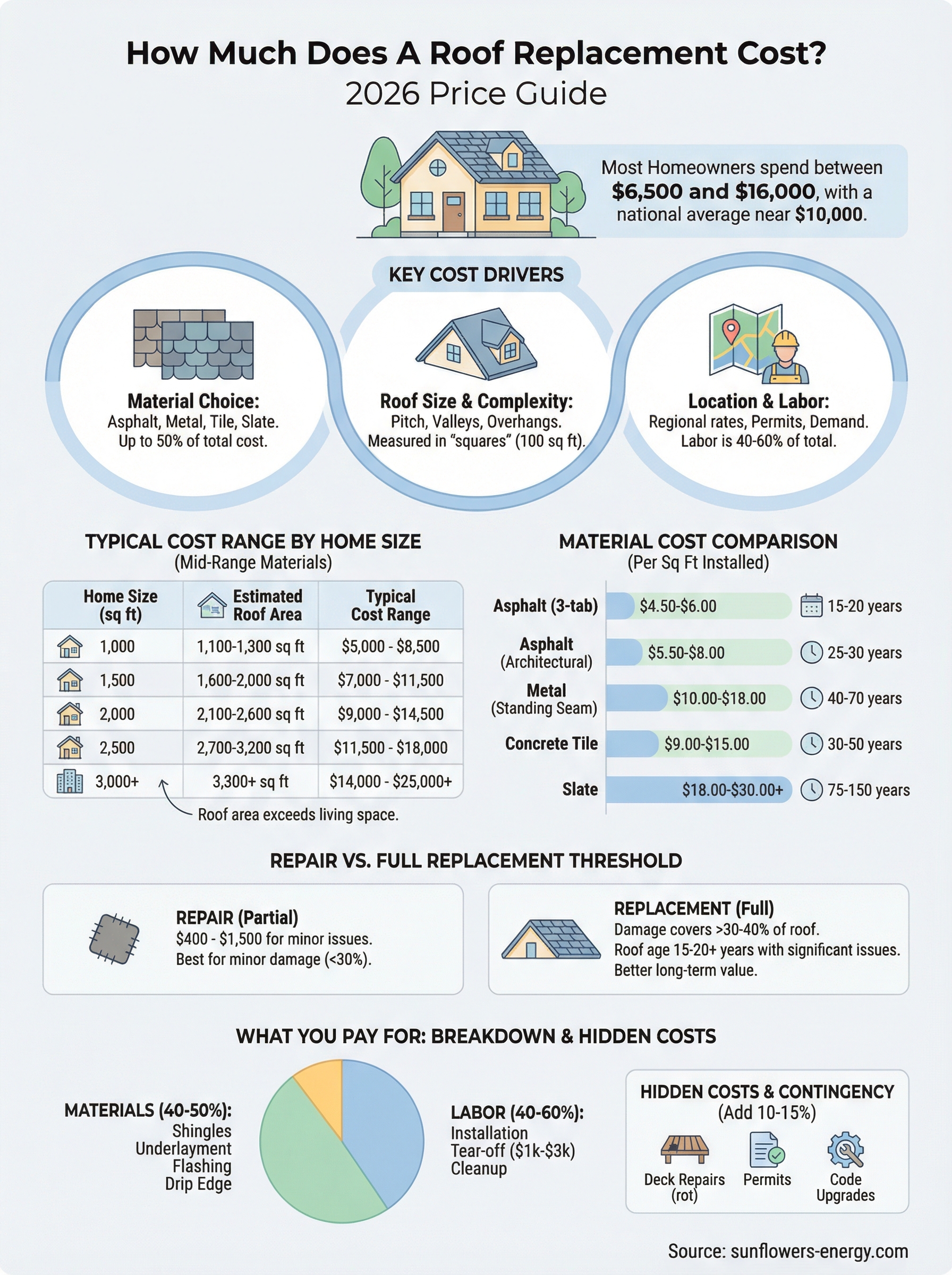
A roof replacement is one of the biggest investments you’ll make as a homeowner, and one of the hardest to budget for. If you’re asking how much does a roof replacement cost, the short answer is that most homeowners in 2026 spend somewhere between $6,500 and $16,000, with the national average landing near $10,000. But that range can swing dramatically depending on your roof’s size, the materials you choose, and where you live.
The longer answer is more useful: once you understand what drives those numbers, you can make sharper decisions and avoid overpaying. Material type alone, whether you go with standard asphalt shingles or step up to metal or tile, can shift your total by thousands. Add in variables like roof pitch, labor rates in your region, and the complexity of tear-off work, and you start to see why quotes vary so widely from one project to the next. That’s also why getting an accurate, on-site estimate matters more than any online calculator.
At Sunflowers Energy LLC, we handle residential and commercial roofing installations every day, and we’ve seen firsthand how confusing the pricing side can be for property owners. This guide breaks down real cost factors, square footage rates, material comparisons, labor, permits, and hidden expenses, so you can walk into the process informed. We also cover when a replacement makes more financial sense than a repair, and how to evaluate the quotes you receive. Let’s get into the numbers.
Roof replacement cost in 2026 at a glance
When you’re trying to understand how much does a roof replacement cost, the first thing to know is that no single number fits every project. Roofing costs vary by region, material, labor market, and your home’s specific layout. That said, current market data gives us a solid baseline to work from, and understanding those benchmarks helps you spot whether a quote is reasonable or out of line before you commit to anything.
National average and typical price range
Most homeowners in 2026 pay between $6,500 and $16,000 for a full roof replacement on a standard single-family home. The national average sits around $10,000 to $11,500 for a mid-size home with asphalt shingles. On the lower end, smaller homes with straightforward designs and basic materials can come in under $7,000. On the higher end, larger homes, premium materials, and complex roof structures can push totals past $20,000.
A typical 2,000-square-foot home will cost between $8,000 and $14,000 to re-roof with architectural asphalt shingles, which covers the most common residential scenario in 2026.
Here’s how costs break down by home size at mid-range material pricing:
| Home Size (sq ft) | Estimated Roof Area (sq ft) | Typical Cost Range |
|---|---|---|
| 1,000 | 1,100-1,300 | $5,000-$8,500 |
| 1,500 | 1,600-2,000 | $7,000-$11,500 |
| 2,000 | 2,100-2,600 | $9,000-$14,500 |
| 2,500 | 2,700-3,200 | $11,500-$18,000 |
| 3,000+ | 3,300+ | $14,000-$25,000+ |
Keep in mind that roof square footage always exceeds living square footage because overhangs and roof pitch add surface area. Your contractor measures the actual roof surface, not your floor plan, so don’t be surprised when those numbers differ.
Cost per square foot breakdown
Roofing contractors price work in "squares," where one square equals 100 square feet of roof surface. Materials and labor are quoted per square, which makes this unit the most practical way to compare bids across contractors.
For standard asphalt shingles, you can expect to pay between $4.50 and $7.50 per square foot installed, putting a 2,000-square-foot roof at roughly $9,000 to $15,000. Premium materials like metal, slate, or tile push that rate significantly higher, sometimes reaching $15 to $30 or more per square foot depending on the product. Those per-square-foot figures typically include materials, labor, underlayment, and basic flashing work, though additional charges can apply for steep pitches or complex layouts.
Repair vs. full replacement: the cost threshold
Sometimes the real question isn’t just what a replacement costs, but whether you actually need one. A partial repair can range from $400 to $1,500 for minor issues like a few missing shingles or a small flashing failure. Once damage covers more than 30 to 40 percent of the roof surface, most contractors and insurance adjusters will recommend full replacement rather than piecemeal patching, because repeated repairs on a deteriorating deck rarely pay off long-term.
Your roof’s age matters just as much as the visible damage. If your current roof is 15 to 20 years old and you’re facing a significant repair bill, replacement often makes more financial sense over a 5- to 10-year horizon. Spending $2,000 to $3,000 on a repair for a roof that will need full replacement within a few years is rarely the best use of your budget, and most experienced contractors will tell you the same.
What you pay for in a roof replacement
When you break down how much does a roof replacement cost, you’re really looking at several distinct line items, not a single flat charge. Understanding each component helps you evaluate contractor quotes more accurately and spot where the money is going before you sign anything.
Materials and system components
Roofing materials typically make up 40 to 50 percent of your total project cost. That includes the shingles or panels themselves, but also the supporting components your roof depends on to perform correctly over time:
- Underlayment (synthetic or felt base layer beneath shingles)
- Ice and water shield (self-adhering membrane at eaves and valleys)
- Ridge caps and starter strips
- Drip edge and flashing at edges, chimneys, and penetrations
These items are not optional extras or upsells. They are structural necessities, and a contractor quoting unusually low may be cutting corners on them rather than on the primary shingle product. Always ask for a full material breakdown when comparing bids.
Labor, tear-off, and hidden charges
Labor costs typically account for 40 to 60 percent of the total, depending on your region and the complexity of the job. Most replacements require a full tear-off, meaning workers remove the existing roofing material down to the deck before anything new goes on. Tear-off alone can add $1,000 to $3,000 to your bill depending on roof size and the number of existing layers that need to come off.
Skipping tear-off and layering over old shingles saves money upfront, but it prevents any inspection of the underlying deck, which can hide rot or structural damage that costs far more to fix later.
Beyond tear-off, you should also budget for deck repairs if the existing plywood or OSB sheathing shows rot or soft spots once the old material comes off. These repairs are impossible to quote accurately before the tear-off happens, which is why experienced contractors often include contingency pricing in their estimates rather than a fixed number. A reputable contractor will document any deck damage with photos and walk you through the additional cost before proceeding.
Cost drivers that change your price
When you ask how much does a roof replacement cost, the answer depends on more than just square footage and shingle type. Several variables can push your final number up or down by thousands of dollars, and most of them have nothing to do with the materials list. Knowing these factors in advance puts you in a better position to understand why one contractor’s quote looks so different from another’s.
Roof pitch and structural complexity
Roof pitch refers to how steeply your roof slopes, and it has a direct impact on labor cost. A shallow, walkable pitch is far easier and faster to work on than a steep roof that requires specialized harnesses and slower, more careful movement. Steep-pitch projects typically add 10 to 25 percent to the labor portion of your quote, sometimes more on extreme angles. Complexity also matters beyond pitch alone. Multiple valleys, dormers, skylights, and chimneys each require precise flashing work and additional time on site, and every one of them adds to your total.
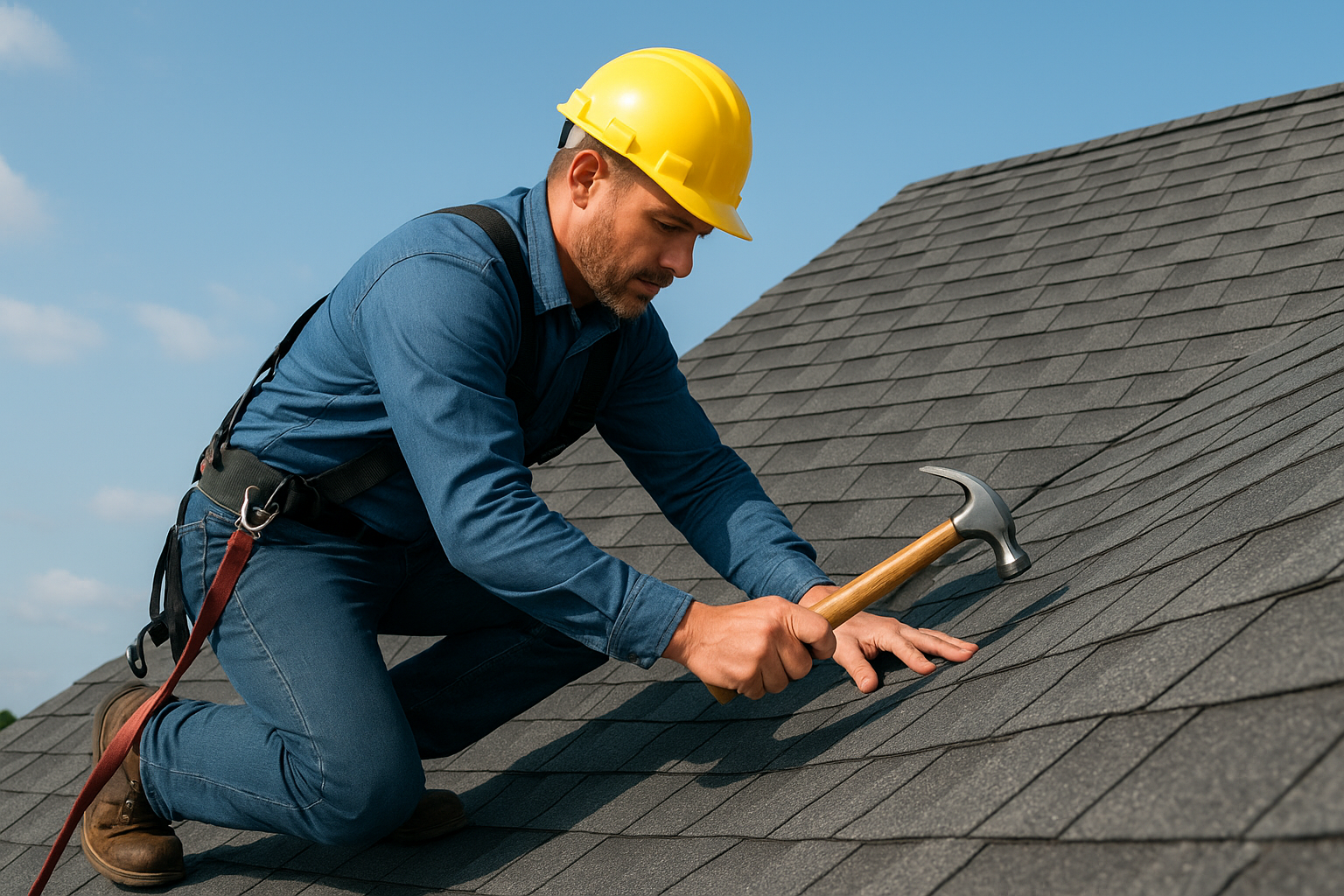
If your roof has more than four facets or includes multiple penetrations like chimneys or skylights, expect your labor costs to run noticeably higher than a simple gable roof of the same square footage.
Local labor markets and timing
Labor costs vary significantly by region, and even within the same metro area, rates shift based on demand and contractor availability. Areas with a higher cost of living, stronger construction markets, or significant post-storm demand tend to run 15 to 30 percent above the national average for the same scope of work. Seasonal timing also affects pricing: contractors in peak season, typically spring through early fall, are busier and less likely to discount. Scheduling during late fall or winter, where climate allows, sometimes opens up better pricing or faster availability.
Contractor experience and warranty terms
Not all quotes reflect the same level of coverage. A lower bid may exclude manufacturer labor warranties, use entry-level underlayment, or skip certain flashing replacements that a thorough contractor would include automatically. Higher-tier contractors typically offer extended workmanship warranties of 10 to 25 years, which carry real financial value if anything goes wrong after installation. When you compare bids, look at what each quote actually includes rather than comparing the bottom-line number in isolation. A complete quote from a qualified contractor protects your investment in ways that a low bid rarely does.
Roof replacement cost by material
Material choice is the single variable with the most direct impact on how much does a roof replacement cost. The same 2,000-square-foot home can cost $9,000 or $35,000+ depending solely on what covers the roof. Understanding what each material delivers in terms of cost, lifespan, and performance helps you make a decision that fits both your budget and your long-term goals.
Asphalt shingles: the standard option
Asphalt shingles dominate the residential market because they balance cost, durability, and ease of installation better than most alternatives. Three-tab shingles sit at the lower end, running roughly $4.50 to $6.00 per square foot installed, while architectural (dimensional) shingles, which are thicker and carry better wind and impact ratings, run $5.50 to $8.00 per square foot. For most homeowners, architectural shingles represent the best value: the cost difference over three-tab is modest, but the added warranty coverage and lifespan of 25 to 30 years makes them the smarter long-term pick.
Upgrading from three-tab to architectural asphalt shingles typically adds $500 to $1,500 to your total project cost but extends your expected roof life by 5 to 10 years.
Premium impact-resistant asphalt shingles push higher, reaching $7.00 to $10.00 per square foot installed. In hail-prone regions, these can qualify you for homeowner’s insurance discounts that offset a meaningful portion of the upfront cost over time, so it’s worth checking your policy before you finalize your material selection.
Metal, tile, and other premium materials
If you’re weighing premium materials, the cost gap versus asphalt is real, but so is the performance difference. Here’s a practical comparison across common roofing materials:
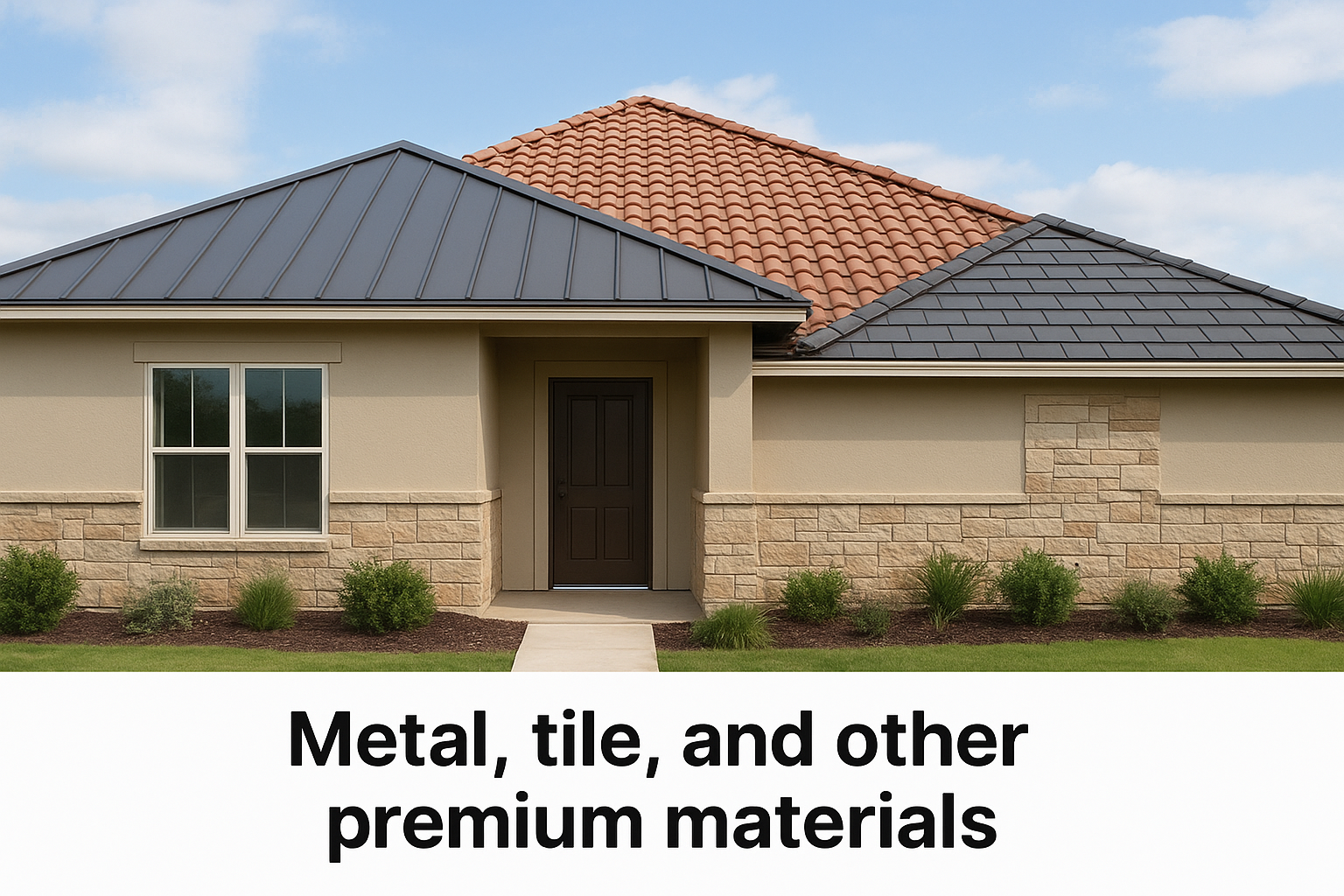
| Material | Cost Per Sq Ft (Installed) | Expected Lifespan |
|---|---|---|
| 3-tab asphalt | $4.50-$6.00 | 15-20 years |
| Architectural asphalt | $5.50-$8.00 | 25-30 years |
| Standing seam metal | $10.00-$18.00 | 40-70 years |
| Concrete tile | $9.00-$15.00 | 30-50 years |
| Slate | $18.00-$30.00+ | 75-150 years |
| TPO/PVC (low-slope) | $5.00-$10.00 | 20-30 years |
Metal roofing has grown significantly in residential use because its long lifespan and energy-reflective properties reduce cooling costs in warmer climates. Slate and tile carry the highest upfront cost but rarely need replacement within a homeowner’s lifetime, which makes the math more reasonable on high-value properties or homes you plan to stay in for decades.
Roof replacement cost by roof size and design
Roof size is the most straightforward cost multiplier in any replacement project, but design complexity often matters just as much. Two homes with identical square footage can produce very different quotes depending on the number of slopes, valleys, and angles involved. Understanding how these two factors work together helps you interpret bids more accurately and set a realistic budget before contractors even arrive.
How roof square footage drives your total cost
Your living area square footage is not the same as your roof’s measurable surface area. Roof overhangs, pitch angle, and the shape of your home all add surface area beyond your floor plan. As a general rule, a single-story 1,500-square-foot home might have a roof surface closer to 1,800 to 2,200 square feet depending on pitch and overhang depth. Every additional square foot of roofing surface means more materials and more labor, so that difference adds up fast.
For a rough estimate, multiply your home’s footprint by 1.15 to 1.5 depending on your roof pitch to approximate your actual roof surface area before requesting formal bids.
Even a 200-square-foot difference in roof surface can shift your total by $900 to $1,500 at mid-range material pricing when contractors quote per square (100 square feet). This is why getting an actual measurement, rather than relying on online calculators that use floor plan data, gives you a far more reliable answer to how much does a roof replacement cost on your specific home.
How roof design adds to project cost
Simple gable roofs with two slopes are the least expensive to replace because they involve minimal cuts, fewer valleys, and straightforward labor. Complex designs like hip roofs, cross-gabled structures, or homes with dormers and multiple ridgelines require significantly more cutting, fitting, and flashing work, all of which drives up both material waste and labor hours.
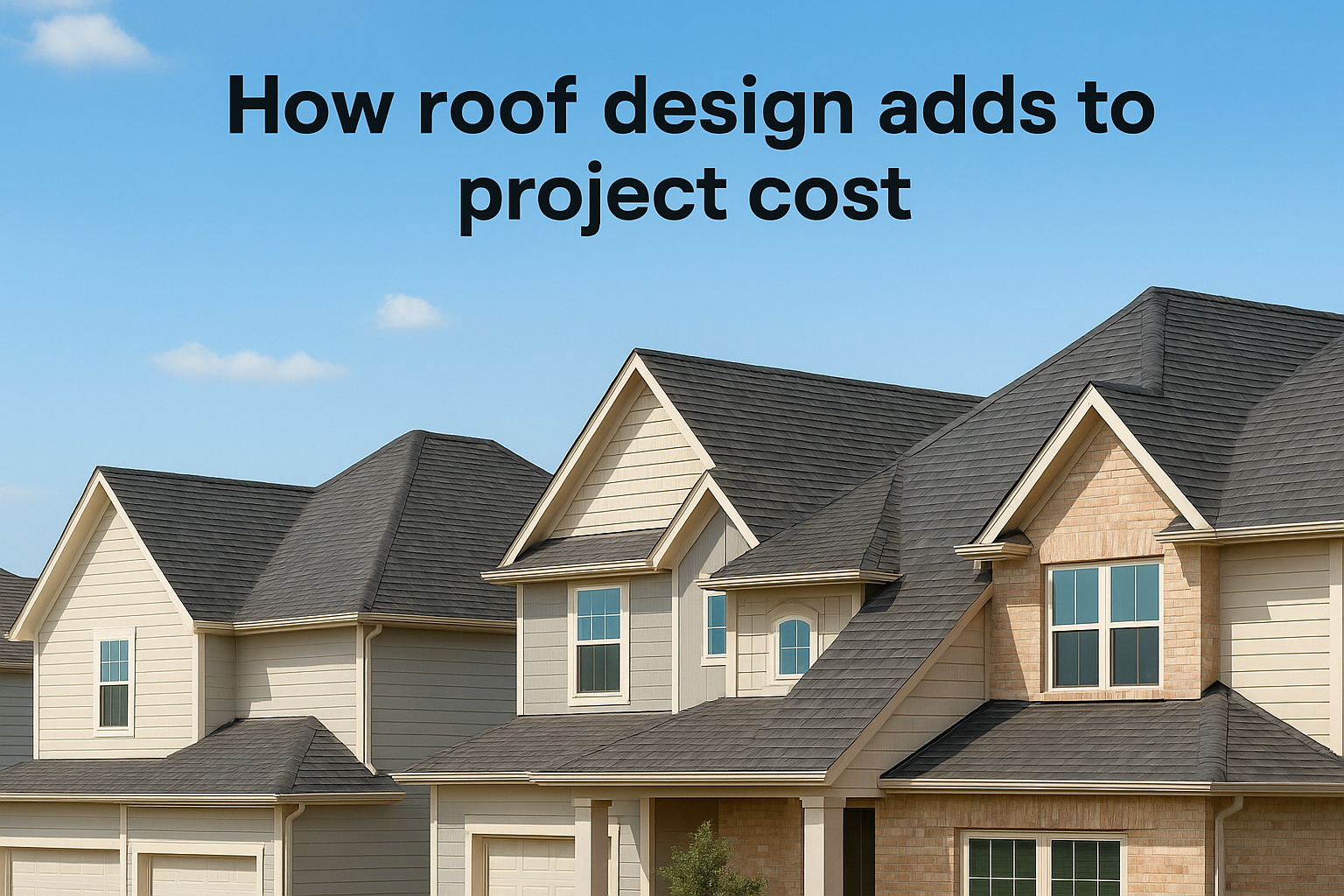
Here’s how roof design affects cost on a 2,000-square-foot home with architectural asphalt shingles:
| Roof Design | Complexity Level | Estimated Cost Range |
|---|---|---|
| Simple gable (2 slopes) | Low | $9,000-$12,000 |
| Hip roof (4 slopes) | Moderate | $11,000-$15,000 |
| Cross-gabled with dormers | High | $14,000-$20,000+ |
| Multi-faceted complex design | Very high | $18,000-$25,000+ |
Waste factor also climbs with design complexity. A simple gable roof might carry a 5 to 10 percent material waste factor, while a complex hip or cross-gabled roof can push that figure to 15 to 20 percent, meaning you pay for more shingles than the raw square footage alone suggests.
Location, permits, and code requirements
Where your home sits on the map directly affects how much does a roof replacement cost, often more than people expect. Regional labor rates, local permit fees, and building code requirements all layer onto your base material and installation costs, and none of them are negotiable. Understanding these location-based factors before you request bids helps you set a realistic budget and avoid being surprised by line items you weren’t expecting.
How geography shifts your labor costs
Labor is the most location-sensitive part of your roofing bill. Contractors in high cost-of-living metros like New York, Boston, or San Francisco routinely charge 20 to 35 percent more per square than contractors in smaller markets or rural areas, even when the materials and scope of work are identical. Demand spikes from storm activity also push rates higher in specific regions after major weather events, when contractor schedules fill quickly and material supply tightens at the same time.
If your area experienced a major hail or wind event in the past 12 months, expect higher quotes and longer lead times from reputable local contractors, since demand outpaces capacity after widespread storm damage.
Your climate zone also influences material selection, which feeds back into cost. Homeowners in southern states prioritize UV-resistant and heat-reflective materials, while northern climates call for products with stronger ice and water shield requirements. Both scenarios affect which materials your contractor will recommend and what those products cost in your specific market.
Permits and local code requirements
Most jurisdictions require a permit for a full roof replacement, and skipping it creates real problems when you sell your home or file an insurance claim. Permit fees typically run between $150 and $500 depending on your municipality, though some areas charge more based on project value. Your contractor should pull the permit on your behalf, and any bid that skips this step is a red flag worth questioning directly.
Local building codes determine more than just paperwork. Many municipalities now require specific underlayment ratings, minimum ice and water shield coverage at eaves, or particular nailing patterns based on local wind speed requirements. These code mandates can add material and labor costs beyond what a standard spec includes, so ask your contractor to confirm compliance with current local code before finalizing your quote.
How to estimate your roof replacement cost
Figuring out how much does a roof replacement cost for your specific home starts with getting the right inputs before you call a single contractor. Most homeowners jump straight to requesting quotes without knowing their roof’s actual surface area, their local code requirements, or what material tier fits their budget. Going in with that baseline knowledge lets you evaluate bids faster and flag anything that looks off before you’ve committed to anything.
Start with your roof’s measurements
Your first step is getting an accurate roof measurement, not an estimate from your floor plan. Walk your home’s perimeter and note the total footprint in square feet, then multiply by a pitch factor: roughly 1.15 for a low-slope roof, 1.25 for a moderate pitch, and 1.40 to 1.50 for a steep roof. That gives you an approximate roof surface area to work from. Don’t rely on online roof calculators that pull satellite data, since they frequently misread pitch and overhangs, which skews your cost estimate by several hundred to several thousand dollars.
Once you have a rough surface area, multiply it by $6 to $8 per square foot for a ballpark asphalt shingle estimate, or $12 to $18 for metal, to set your initial budget before bids arrive.
Gather multiple bids and compare them line by line
Request at least three written bids from licensed, insured contractors before you make any decisions. When those bids arrive, don’t compare the bottom-line number first. Instead, check each line item: what underlayment is specified, whether ice and water shield is included, how the contractor handles deck repairs, and what the warranty covers for both materials and workmanship. Two bids with the same total can represent very different scopes of work, and the cheaper one often leaves out components that matter once weather hits.
Ask each contractor to confirm that the bid includes permit fees and tear-off costs, since some quotes exclude both and add them later. A complete, transparent bid protects you from scope creep and gives you a clear picture of what your final invoice will look like.
Factor in what you can’t see yet
Hidden deck damage is the most common source of unexpected costs during a replacement. Budget a contingency of 10 to 15 percent above your contractor’s base quote to cover any rot or soft spots found after tear-off. Experienced contractors will document these findings with photos and get your approval before adding any work, so a reasonable contingency keeps you prepared without overspending upfront.
Next steps for a confident roof budget
Now you have a clear picture of how much does a roof replacement cost and what shifts that number in either direction. Material selection, roof complexity, and regional labor rates are the three variables that move your total the most, and understanding them before you request bids puts you in a stronger position than most homeowners who go into this process without any research. Setting a 10 to 15 percent contingency on top of your contractor’s base quote also protects you from the unexpected deck repairs that surface after tear-off.
Your best next step is to bring in a contractor who delivers a complete, itemized quote rather than a rough ballpark number. At Sunflowers Energy LLC, we provide free on-site inspections and written estimates with no obligation, so you know exactly what your project involves before you commit to anything. Schedule your free roof inspection today and get a number you can actually plan around.

2 Responses