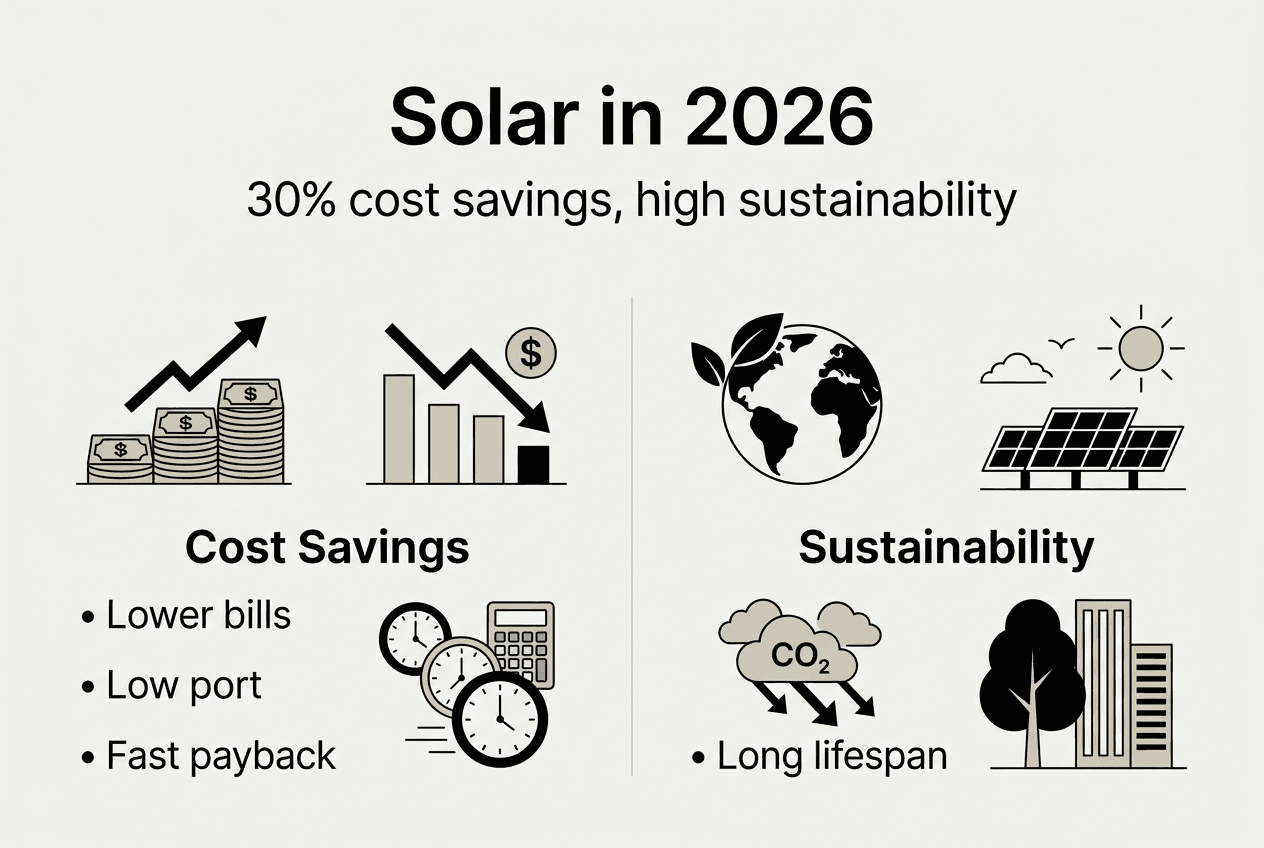
Solar drives sustainability and cuts costs by 30% in 2026
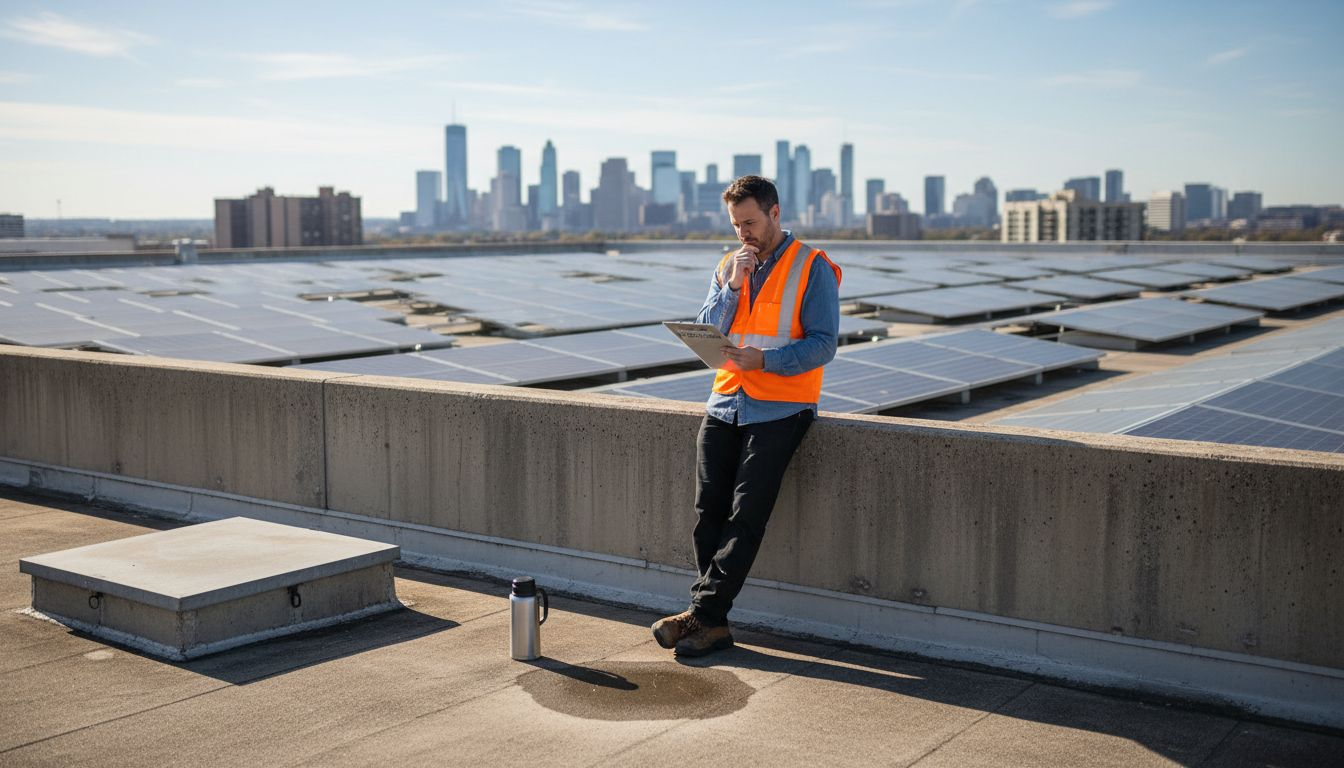
Solar energy has transformed from an environmental luxury into a powerful financial strategy, delivering returns that rival traditional investments while slashing energy costs by up to 30%. With installation costs plummeting 90% since 2016 and payback periods shrinking to under four years, solar panels now represent one of the smartest sustainability investments for property owners. This guide reveals how modern solar technology creates measurable value through reduced operating expenses, enhanced property valuations, and substantial environmental benefits that align profit with planet.
Table of Contents
- The Economics Of Solar: How Cost And Efficiency Trends Are Reshaping Sustainability
- Understanding How Solar Technology Powers Sustainability And Energy Savings
- Comparing Solar Solutions For Homes And Commercial Properties In 2026
- Maximizing Sustainability Impact And Cost Savings From Solar Installations
- Explore Solar And Roofing Solutions With Sunflowers Energy
- Frequently Asked Questions About Solar And Sustainability
Key takeaways
| Point | Details |
|---|---|
| Investment returns | Solar installations deliver 20-30% IRRs with payback periods under 4 years |
| Cost reduction | Panel costs dropped 90% since 2016 while efficiency increased 67% |
| Technology basics | Photovoltaic cells convert sunlight to electricity through silicon semiconductors |
| Property applications | Residential and commercial systems offer tailored solutions for different scales |
| Optimization strategies | Proper installation and maintenance maximize long-term savings and sustainability |
The economics of solar: how cost and efficiency trends are reshaping sustainability
The financial landscape of solar energy has undergone a dramatic transformation that repositions sustainability from compliance expense to profit center. Between 2016 and 2026, solar panel costs dropped 90% while efficiency ratings climbed 67%, creating unprecedented opportunities for property owners to capture value through renewable energy investments.
Historical pricing data reveals the magnitude of this shift. Commercial solar installations that cost $4.50 per watt in 2016 now average under $2.00 per watt, while residential systems have followed similar trajectories. Manufacturing innovations, improved supply chains, and economies of scale drove these reductions, making solar accessible to mainstream property owners rather than just early adopters with deep pockets.
Efficiency improvements amplified cost savings by extracting more power from each panel. Modern photovoltaic cells convert 22-24% of sunlight into electricity, compared to 15-17% a decade ago. This means smaller installations generate equivalent power, reducing material costs, roof space requirements, and installation complexity. Understanding solar panel efficiency explained helps you maximize output from available space.
Current investment returns demonstrate why solar has become a core value creation strategy:
- Payback periods average 3.5 to 4 years for commercial properties
- Internal rates of return consistently reach 20-30% over system lifespans
- Energy cost reductions of 50-75% appear within the first year
- Property valuations increase by 3-4% with installed solar systems
- Tax incentives and rebates accelerate return timelines significantly
The shift from compliance cost to value driver stems from this economic reality. Property managers once viewed sustainability initiatives as necessary expenses that satisfied stakeholder demands but drained budgets. Today’s solar economics flip that equation. Energy savings flow directly to operating income, while enhanced property values and tenant appeal create additional revenue streams. This financial performance positions solar as a strategic asset rather than an operational burden.
Market trends reinforce solar’s growing role in property portfolios. Institutional investors now prioritize buildings with renewable energy infrastructure, recognizing both immediate cash flow benefits and long-term resilience against energy price volatility. Commercial tenants increasingly demand sustainable spaces, making solar installations a competitive differentiator that commands premium lease rates. The commercial real estate solar strategy has evolved from niche positioning to mainstream necessity.
Pro Tip: Calculate your specific payback period by dividing total installation costs by annual energy savings, then factor in available tax credits and local incentives to see your true timeline. Most property owners discover returns arrive faster than initial projections suggest.
Understanding how solar technology powers sustainability and energy savings
Solar panels harness sunlight through a straightforward physical process that converts photons into usable electricity without combustion, emissions, or moving parts. Photovoltaic cells convert sunlight to electricity, generating direct current that flows through an inverter for conversion to alternating current compatible with standard electrical systems.
The photovoltaic effect occurs when sunlight strikes semiconductor materials, typically silicon, embedded in solar cells. Photons transfer energy to electrons in the silicon atoms, knocking them loose and creating an electrical charge. Metal conductors on cell surfaces capture these flowing electrons as direct current electricity. Multiple cells connected in series form panels, while multiple panels create arrays that scale to meet property energy demands.
Inverters play a critical role by transforming the direct current from panels into alternating current that powers homes and businesses. Modern inverters also optimize performance by monitoring each panel’s output, identifying efficiency drops that signal maintenance needs, and managing energy storage when battery systems integrate with installations. This conversion process operates at 95-98% efficiency, meaning minimal energy loss between generation and consumption.
Silicon dominates solar manufacturing due to its abundance and semiconductor properties. The material exists in three primary forms within panels:
- Monocrystalline silicon offers highest efficiency (22-24%) with uniform black appearance
- Polycrystalline silicon provides moderate efficiency (18-20%) at lower cost with blue coloring
- Thin film silicon delivers flexibility and lightweight properties with reduced efficiency (15-18%)
Manufacturing considerations balance performance against environmental impact. While silicon is abundant, extraction and processing require significant energy inputs and generate waste byproducts. Responsible manufacturers implement closed loop systems that recycle materials and minimize emissions, but the industry continues working to reduce production footprints. This reality doesn’t diminish solar’s net environmental benefit, as panels generate clean energy for 25-30 years, offsetting manufacturing impacts within 2-3 years of operation.
Safety advantages distinguish solar from conventional energy sources. Panels contain no moving parts, produce no emissions during operation, and present minimal fire risk when properly installed. The role of solar panels in homes extends beyond energy generation to include silent operation, zero air pollution, and elimination of combustion hazards associated with fossil fuel systems.
Pro Tip: Request detailed specifications on panel efficiency ratings and temperature coefficients when comparing systems, as these factors determine real world performance under your local climate conditions far better than generic marketing claims.
Comparing solar solutions for homes and commercial properties in 2026
Residential and commercial solar installations differ substantially in scale, complexity, and financial structures, requiring property owners to match system characteristics with specific operational needs and sustainability goals. Understanding these distinctions ensures optimal investment returns and performance.
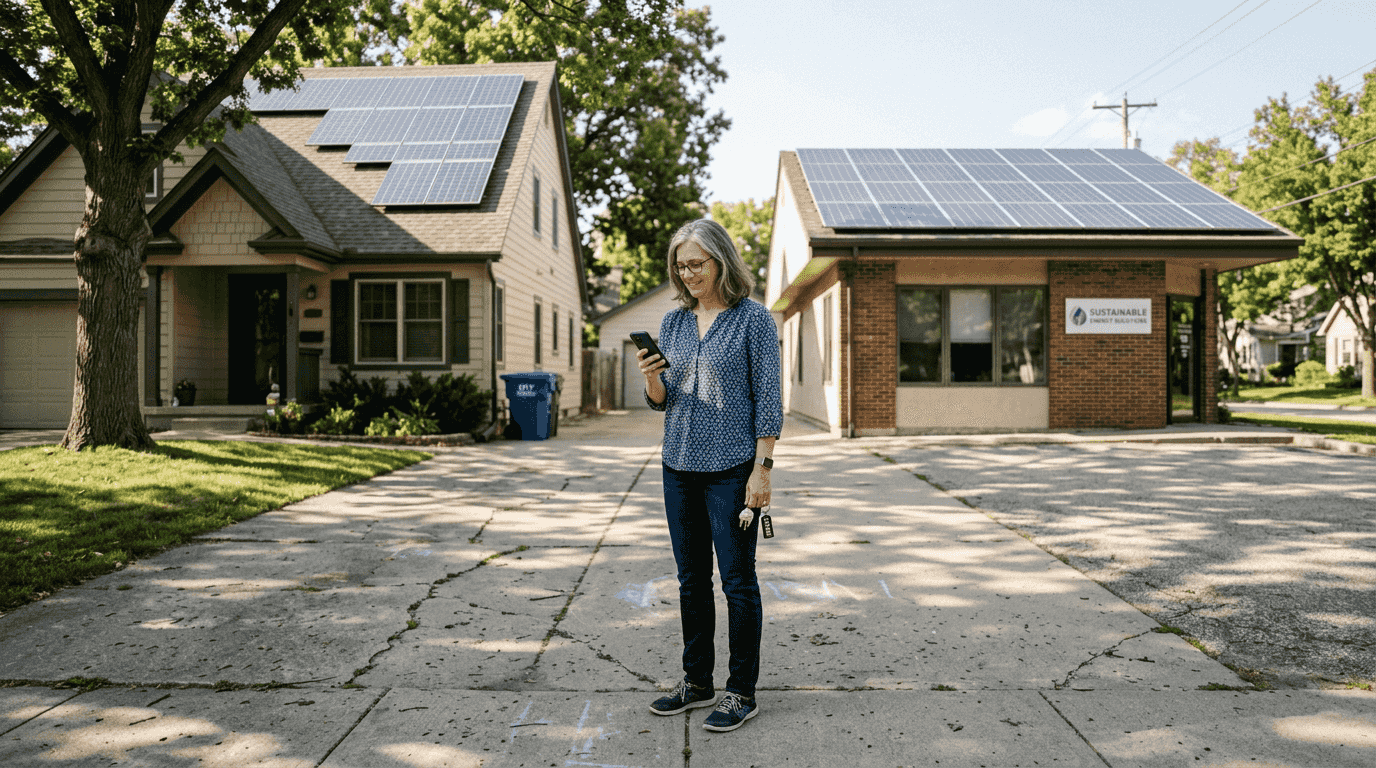
Residential systems typically range from 5 to 15 kilowatts, designed to offset household consumption averaging 10,000 to 12,000 kilowatt hours annually. Installations occupy 300 to 600 square feet of roof space, integrate with existing electrical panels through straightforward connections, and operate under net metering agreements that credit excess generation back to homeowners. Financing options include cash purchases, solar loans, and power purchase agreements that eliminate upfront costs.
Commercial systems scale from 50 kilowatts for small businesses to multiple megawatts for large facilities, addressing consumption patterns that dwarf residential usage. These installations require structural engineering assessments, three phase electrical integration, and sophisticated monitoring systems that track performance across hundreds of panels. Total installed cost per kW for commercial systems dropped over 50% in the past decade, making large scale deployments increasingly attractive.
| Factor | Residential Systems | Commercial Systems |
|---|---|---|
| Typical size | 5-15 kW | 50 kW to 5+ MW |
| Cost per watt | $2.50-$3.50 | $1.75-$2.50 |
| Payback period | 6-8 years | 3-5 years |
| Financing options | Loans, leases, PPAs | Commercial loans, REITs, tax equity |
| Complexity | Standard installation | Engineered systems |
Efficiency considerations vary by application. Residential installations prioritize aesthetics and roof integration, sometimes accepting slightly lower efficiency to maintain curb appeal. Commercial projects emphasize maximum power generation per square foot, utilizing high efficiency panels that justify premium costs through superior long term output. Ground mounted commercial arrays offer flexibility to optimize panel angles and spacing impossible on sloped residential roofs.
Scalability advantages favor commercial installations. Larger systems benefit from volume discounts on equipment, reduced per watt installation labor, and economies of scale in permitting and inspection processes. Commercial properties also access financing structures unavailable to homeowners, including sale leaseback arrangements and renewable energy investment trusts that eliminate capital requirements while capturing energy savings.
Key evaluation factors guide system selection:
- Available roof or ground space determines maximum system size
- Current energy consumption establishes baseline offset targets
- Local utility rates and net metering policies affect financial returns
- Property ownership timeline influences financing approach selection
- Structural capacity limits panel weight and mounting options
Exploring types of residential solar systems and commercial solar basics provides detailed comparisons tailored to specific property types. The commercial solar cost trends continue favoring larger installations, though residential economics have improved substantially as well.
Maximizing sustainability impact and cost savings from solar installations
Successful solar investments require strategic planning beyond equipment selection, encompassing installation quality, ongoing maintenance, and integration with complementary building systems that amplify both environmental benefits and financial returns.
Follow these essential steps for optimal installations:
- Conduct professional energy audits identifying consumption patterns and efficiency opportunities before sizing systems
- Secure multiple quotes from certified installers with verifiable track records and warranty commitments
- Verify all permits, interconnection agreements, and utility approvals before construction begins
- Schedule installations during optimal weather windows that minimize delays and weather related complications
- Implement commissioning procedures testing system performance against design specifications before final payment
- Establish monitoring protocols tracking generation data and identifying performance anomalies requiring attention
Maintenance practices sustain efficiency throughout 25 to 30 year system lifespans. Panels require minimal intervention but benefit from periodic cleaning that removes dust, pollen, and debris blocking sunlight. Inverter inspections every 3 to 5 years catch component degradation before failures occur, while electrical connection checks prevent resistance buildup that reduces power transfer. Following solar panel maintenance efficiency savings guidelines preserves peak performance.
Integrating solar with eco-friendly roofing materials creates synergistic benefits. Cool roof coatings reflect sunlight, reducing attic temperatures and improving panel efficiency by keeping them cooler during peak generation hours. Metal roofing provides ideal mounting surfaces with 50 plus year lifespans that match or exceed panel longevity, eliminating concerns about roof replacement mid system life. Exploring comprehensive roofing options reveals combinations that optimize both energy generation and building envelope performance.
Maximizing returns requires attention to often overlooked details. Panel orientation and tilt angles significantly impact generation, with south facing installations at latitude appropriate angles producing 20-30% more power than suboptimal positioning. Shade analysis prevents placement under trees or structures that block sunlight during peak hours. String inverter systems suffer when single panel shading affects entire arrays, making microinverters worthwhile for partially shaded locations despite higher costs.
Common pitfalls undermine otherwise sound investments:
- Undersizing systems leaves energy savings on the table and extends payback periods
- Choosing lowest bid installers often results in substandard workmanship and warranty issues
- Neglecting roof condition assessments leads to expensive panel removal for repairs
- Ignoring local incentive deadlines costs thousands in available rebates and credits
- Skipping performance monitoring allows efficiency losses to compound undetected
Industry data confirms strategic implementation matters. Solar returns are significant with IRRs of 20-30% and paybacks often under 4 years, but these results require professional execution and proactive management. Properties that treat solar as passive infrastructure rather than managed assets consistently underperform projections.
Pro Tip: Schedule annual performance reviews comparing actual generation against weather adjusted projections, as degradation rates exceeding 0.5% annually signal problems requiring immediate attention to preserve long term returns.
Explore solar and roofing solutions with Sunflowers Energy
Transforming sustainability goals into measurable cost savings requires expert guidance tailored to your property’s unique characteristics and energy profile. Sunflowers Energy delivers comprehensive solar assessments that identify optimal system configurations, financing structures, and integration strategies maximizing both environmental impact and financial returns.
Our team specializes in matching residential solar system types to household consumption patterns while coordinating installations through proven solar installation steps home efficiency protocols. We pair solar deployments with premium roofing services that enhance durability and performance, creating integrated solutions that protect your investment for decades. Whether you’re exploring initial feasibility or ready to move forward, our experts provide the technical knowledge and project management experience that turns sustainability aspirations into operating reality.
Frequently asked questions about solar and sustainability
How does solar energy contribute to sustainability goals?
Solar installations eliminate fossil fuel consumption for electricity generation, reducing carbon emissions by 3 to 4 tons annually per residential system. Commercial arrays scale these benefits proportionally, with large installations offsetting hundreds of tons of greenhouse gases over system lifespans while demonstrating corporate environmental commitments.
What payback period should I expect from solar panels?
Residential systems typically achieve payback in 6 to 8 years, while commercial installations recover costs in 3 to 5 years due to higher consumption rates and better per watt economics. Actual timelines vary based on local utility rates, available incentives, and system sizing relative to energy usage.
How much maintenance do solar panels require?
Solar panels need minimal maintenance, typically limited to annual cleaning and periodic inverter inspections every 3 to 5 years. Most systems operate maintenance free for years between service visits, with monitoring systems alerting owners to performance issues requiring attention.
What is the lifespan of solar panel systems?
Quality solar panels carry 25 to 30 year performance warranties and often generate power for 35 to 40 years with gradual efficiency decline. Inverters require replacement every 10 to 15 years, but panels themselves outlast most other building systems when properly installed and maintained.
Are solar panels suitable for all property types?
Most properties with unshaded roof space or available land accommodate solar installations effectively. Structural assessments determine roof capacity for panel weight, while energy audits confirm consumption levels justify investment. Understanding solar power basics helps evaluate site specific feasibility and expected returns.
Recommended
- What is a sustainable roof? Cut energy use 20% in 2026 – Sunflowers Energy LLC A Roofing and Solar Companys
- Why Choose Solar Panels in 2026: Cut Costs by 70% & Boost Value – Sunflowers Energy LLC A Roofing and Solar Companys
- Solar Power for Beginners: Savings and Sustainability – Sunflowers Energy LLC A Roofing and Solar Companys
- Why Upgrade to Solar: Savings, Value, and Impact – Sunflowers Energy LLC A Roofing and Solar Companys